
- Importance of naming animals in zoos and its impact on conservation efforts
- The significance of the Matschie’s tree kangaroo
- Advances in the husbandry and diet of tree kangaroos
- The role of zoos like Cleveland Metroparks in species preservation
- Community involvement in wildlife conservation
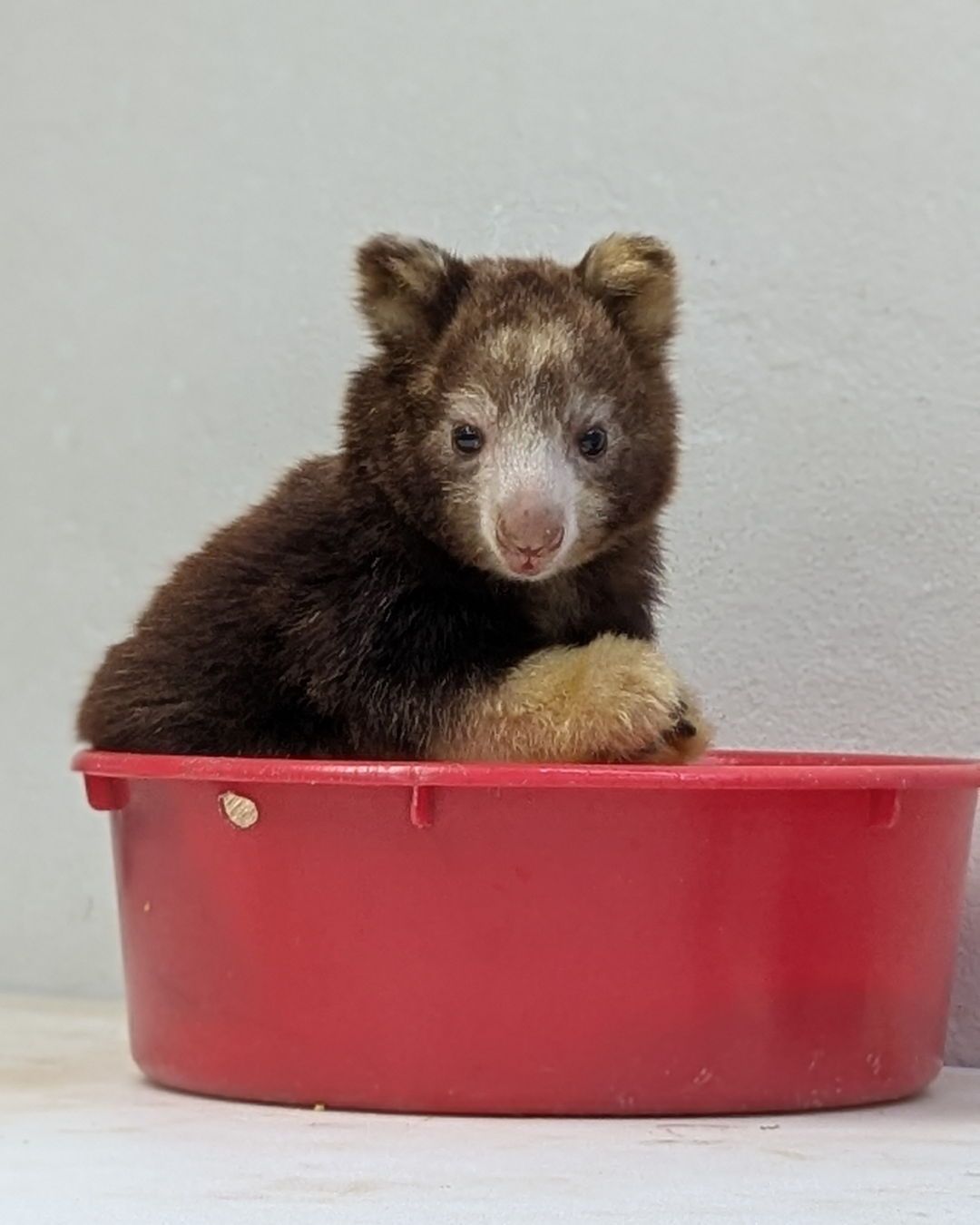
The practice of naming animals in zoos serves a vital role in fostering a connection between the public and wildlife. This engagement often leads to increased awareness and support for conservation efforts. Naming animals creates a personality, allowing visitors to build emotional ties with creatures they may never encounter otherwise. This connection can lead to greater advocacy for conservation initiatives. In this light, the Cleveland Metroparks Zoo’s initiative to let the community choose a name for its first Matschie’s tree kangaroo born since 1998 is crucial. It not only enhances public interest, but it also involves the community in meaningful wildlife conversations.
The Matschie’s tree kangaroo, endemic to the mountainous rainforests of Papua New Guinea, stands as a symbol of the critical need for species conservation. These marsupials exhibit remarkable adaptations to their arboreal lifestyle, including strong limbs and a long tail for balance. However, these adaptations do not protect them from threats. The IUCN Red List classifies Matschie’s tree kangaroo as endangered, primarily due to habitat loss caused by deforestation and hunting. Thus, conserving these animals is essential not just for biodiversity but also for maintaining the ecological balance within their habitats.
In recent years, significant advances have been made in the husbandry and diet of tree kangaroos at institutions like the Cleveland Metroparks Zoo. These changes are rooted in scientific research aimed at providing the best possible care for these animals. By studying their natural behaviors and dietary needs in the wild, zookeepers can mirror these conditions to enhance the health and well-being of Matschie’s tree kangaroos in captivity. Improved diets, better living conditions, and enrichment activities are now standard practices that aim to replicate their natural environment. This meticulous focus on diet and habitat needs reflects a broader trend in zoos today, moving beyond mere exhibition to robust conservation.
Cleveland Metroparks Zoo is exemplary in its role as a sanctuary for endangered species and as an educational platform. It takes a holistic approach to wildlife conservation, integrating community involvement and scientific research into its operation. The zoo actively participates in breeding programs and habitat preservation initiatives. By engaging the public in activities like naming the new Matschie’s tree kangaroo, the zoo fosters a sense of responsibility among visitors. People who feel more connected to these animals are likely to support the initiatives that protect them.
Community involvement is essential in wildlife conservation. It creates a sense of ownership and responsibility toward local and global biodiversity issues. The naming initiative for the Matschie’s tree kangaroo exemplifies how a zoo can utilize its community to foster interest and care for endangered species. Familiarizing the public with the significance of this species and the challenges it faces can galvanize support for conservation measures. This model of involving the community serves as an effective blueprint for other zoos and wildlife organizations aiming for impactful engagement strategies.
As the Cleveland Metroparks Zoo continues to celebrate the birth of this joey, the implications extend beyond these walls. The engagement with the public cultivates long-term support for conservation efforts. By rallying for a name, the community unites in a shared purpose, reminding us of the vital connections between human society and the natural world. Each vote contributes to a narrative of conservation, reinforcing the idea that everything, even a name, can have a significant impact on wildlife conservation efforts.
Educational programs geared toward comprehensive understanding of species like the Matschie’s tree kangaroo serve dual purposes. They inform the public about the animal’s natural behaviors and ecology while also explaining the conservation status and steps taken to safeguard its future. As part of their broader educational agenda, zoos help demystify the complexities of wildlife preservation and the interconnectedness of ecosystems. Through school visits, public talks, and social media campaigns, information reaches a wide audience.
Such engagement is essential for fostering future environmental stewards. Planting the seeds of awareness early can significantly change how people perceive their role in wildlife conservation. The initiators of zoo programs emphasize that every small action taken by individuals can result in substantial changes over time. By highlighting individual stories—like that of the newborn Matschie’s tree kangaroo—the zoo emphasizes the tangible effects of community involvement.
The ongoing story of the Matschie’s tree kangaroo also exemplifies how zoos can adapt to emerging challenges in wildlife conservation. Recent advancements in conservation biology provide new strategies to help endangered species thrive. This approach is not only applicable to tree kangaroos; it can be leveraged for multiple endangered species worldwide. Continuous education for zookeepers and wildlife biologists is crucial in applying the latest findings in animal behavior and nutritional science. As a result, improved dietary protocols can address health issues stemming from captivity, thus contributing to the overall survival of species in zoos.
This moment in Cleveland Metroparks Zoo marks a pivotal moment in an ongoing narrative. The engagement of community, the scientific rigor behind animal care, and conservation partnerships create a multi-dimensional framework for preserving not only Matschie’s tree kangaroos but countless other species. Those interested in zoo management and wildlife conservation can learn valuable lessons from this initiative. It illustrates the importance of integrating community voices, while fostering scientific innovation to cultivate a holistic approach to animal care.
As people finalize their votes for the new name, the excitement reflects a community that cares deeply for its wildlife. This countdown signifies more than a naming contest; it represents a larger conversation about the roles we all play in wildlife conservation. Animals like this kangaroo may rely on modern zoos not only as shelters but also as beacons of hope and learning opportunities.
Conservation begins with education. Zoos recognize the importance of educating the public not only about the animals themselves but about their habitats and the threats they face. Many educational programs now include interactive experiences that enhance visitor understanding. The importance of forest health, biodiversity, and climate change is intertwined with the life cycle of the Matschie’s tree kangaroo. Understanding these connections can elevate community commitment to conservation initiatives.
In summary, the naming of the first Matschie’s tree kangaroo born at Cleveland Metroparks Zoo is an opportunity to highlight crucial conservation efforts. Through community engagement and scientific advancement, zoos can play an integral role in preserving endangered species. The work done by institutions like Cleveland Metroparks Zoo offers insights into the effective methods for species recovery, education, and public involvement, ultimately championing a cause bigger than any individual animal.
As the final week of voting approaches, everyone is encouraged to participate. Each vote serves as a testament to the enduring relationship between people and wildlife. Together, individuals can transform their affection for animals into impactful actions that can help secure a future where species, such as the Matschie’s tree kangaroo, continue to thrive.
*****
Source Description
Paws-itively precious! 🐾
Final week to vote! Help name the first Matschie’s tree born at Cleveland Metroparks Zoo since 1998! Born last September, this adorable male joey is a living representation of the Zoo’s scientific expertise, which drove evidence-based improvements to tree kangaroo diet and husbandry in recent years.
