
- The role of pygmy goats in zoological settings and their interaction with visitors.
- Importance of wildlife conservation and how zoos contribute.
- Behavioral traits of pygmy goats and their care in captivity.
- Educational programs in zoos focusing on pygmy goats and similar livestock.
- The connection between public engagement and conservation efforts.
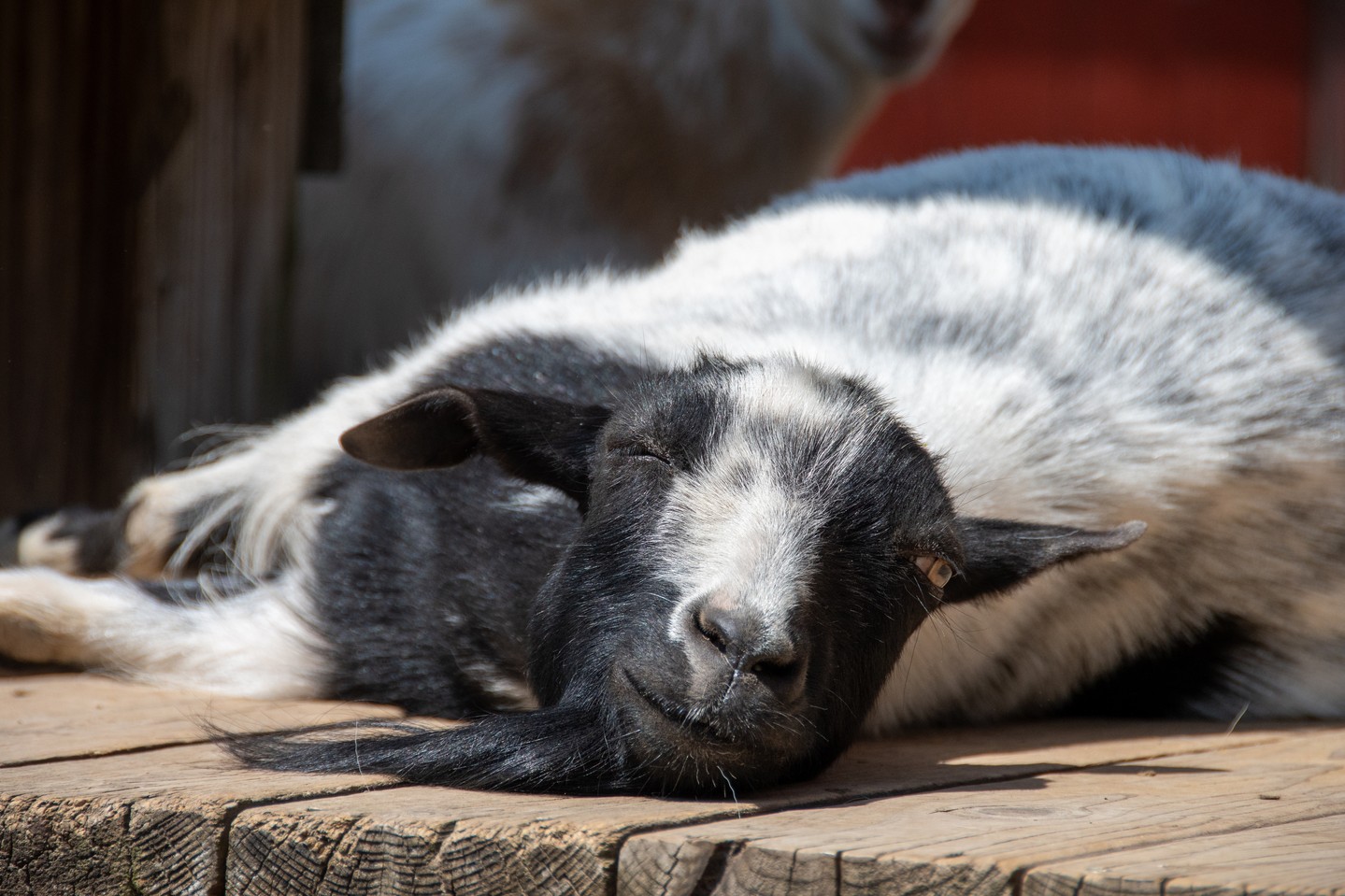
Are you enjoying a lazy Sunday like Dottie, one of our pygmy goats, or are you headed to see them at the zoo? Pygmy goats are a delightful sight in zoos across the country, captivating visitors with their playful nature and charming appearance. Understanding their role in zoological settings highlights key aspects of animal care, conservation, and visitor engagement.
Pygmy goats have become increasingly popular in zoos due to their manageable size and gentle temperament. These goats, known scientifically as Capra aegagrus hircus, originated in West Africa and were initially bred for their milk, meat, and fiber. Their small stature makes them easier to integrate into various habitat displays, allowing visitors to get close without compromising animal welfare. Active interaction with the public is an essential element in many zoos, and pygmy goats thrive in these environments. They typically display curiosity and engagement, showcasing behaviors that educate guests about their species.
Wildlife conservation encompasses a wide range of practices aimed at improving the well-being of species and their habitats. Zoos play a pivotal role in these efforts, particularly through breeding programs and habitat preservation initiatives. Unfortunately, many goat breeds, including pygmy goats, face challenges due to habitat loss and environmental changes. By displaying pygmy goats and raising awareness, zoos can educate the public about the threats these animals face and the importance of diversity within livestock breeds. This education is crucial, as it creates a deeper understanding of the interconnections between domestic animals and wildlife conservation.
Pygmy goats have several interesting behavioral traits. They are social animals that thrive in herds, and their interactive nature makes them an ideal species for educational programs. In a zoo setting, pygmy goats often exhibit playful behaviors such as climbing, balancing, and engaging in head-butting contests. Monitoring such behaviors aids zookeepers in assessing their health and well-being. Access to enrichment activities—such as climbing structures or puzzle feeders—not only ensures mental stimulation but also demonstrates their natural instincts and social interactions.
Effective animal care is crucial for pygmy goats living in captivity. Zookeepers are responsible for monitoring their diet, providing adequate exercise, and ensuring sufficient socialization opportunities. A balanced diet typically consists of hay, grains, and fresh vegetables, catering to their nutritional needs. Regular veterinary care is also essential, as pygmy goats are susceptible to certain health issues. Routine examinations help catch potential problems early, contributing to their longevity and quality of life.
Educational programs offered at zoos often center on animal care and conservation, particularly for engaging species like pygmy goats. These programs aim to instill a conservation ethic in the public. Guided tours, feeding sessions, and informational displays reinforce the connection between animal welfare and environmental stewardship. When visitors learn about pygmy goats’ life cycles, behaviors, and challenges, they are more likely to form a bond with these animals and partake in conservation efforts.
Public engagement is essential to wildlife conservation. When people visit the zoo, they are often looking for entertainment and relaxation, similar to enjoying a lazy Sunday like Dottie. By providing positive, educational experiences with animals such as pygmy goats, zoos can inspire visitors to become advocates for conservation. This engagement is a powerful tool, helping individuals understand the impacts of their choices on wildlife and how they can contribute to preservation efforts.
Pygmy goats can serve as ambassadors for broader conservation messaging. Their domestication has allowed individuals to connect personally with the concept of animal care and welfare. As species become more endangered in the wild, promoting awareness through relatable animals can spark interest in conservation issues. Programs focused on pygmy goats not just educate the public about these specific animals, but also broaden understanding of the ecological balance within their native environments.
In addition to direct visitors, zoos often collaborate with local communities and schools. These partnerships can help foster a culture of conservation and sustainability beyond the walls of the zoo. Schools can incorporate hands-on experiences with pygmy goats and other farm animals into their curriculum, highlighting the importance of agricultural practices and animal welfare. This cross-disciplinary approach reinforces the message that conservation is not only a scientific endeavor, but also a societal responsibility.
As zoos continue to evolve in their role as conservation hubs, they must consider innovative methods to enhance public engagement. Incorporating technology, such as interactive exhibits or virtual tours, can help reach a broader audience. Such methods are particularly effective for engaging younger individuals who might have less direct experience with wildlife. Creating a connection between wildlife and technology can spark interest and facilitate dialogue about conservation challenges.
Research plays a vital role in improving species management in zoos. Studying behaviors and health in captive environments contributes to overall knowledge of pygmy goats, allowing zoos to adapt care practices appropriately. Such research can yield important data regarding genetic diversity, growth patterns, and responses to environmental changes. This information not only improves standards within zoos but can also feed into larger conservation strategies for lesser-known breeds and species.
In summary, the enchantment of enjoying a lazy Sunday alongside pygmy goats underscores the profound connection between education, conservation, and human interaction with wildlife. As a species that embodies playfulness and curiosity, pygmy goats serve as excellent ambassadors in zoos, reminding us of the importance of animal welfare and environmental stewardship. Engaging with these animals prompts a larger conversation about how we can work collectively towards a sustainable future that prioritizes the health and longevity of our planet’s species.
Learning about pygmy goats, whether through visitations or educational programs, creates opportunities for individuals to contribute actively to wildlife conservation efforts. As more people engage with these animals, the ripple effects can lead to broader efforts to address habitat loss, climate change, and the necessity of preserving our natural ecosystems.
Each small interaction, each shared experience with these delightful creatures, is a step forward towards fostering a society that values wildlife and recognizes the crucial links binding us all to the broader ecological community.
*****
Source Description
Are you enjoying a lazy Sunday like Dottie, one of our pygmy goats, or are you headed to see them at the zoo?
