
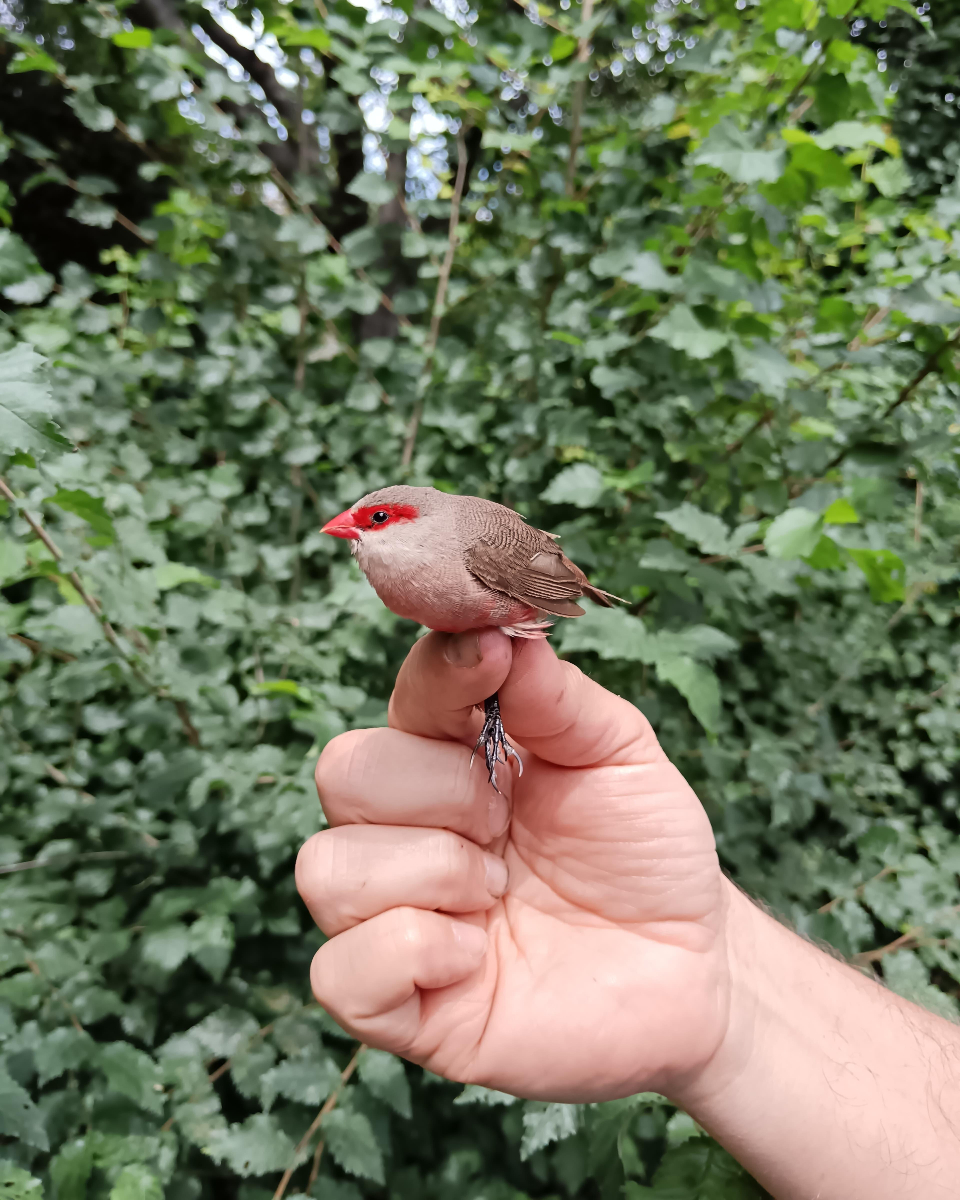
- The scientific bird banding process provides crucial insights into biodiversity and bird behavior, aiding both research and conservation.
- Education through bird banding fosters a direct connection with nature, highlighting the importance of conservation.
- Bird banding workshops serve as transformative experiences where students learn science, conservation, and wildlife respect.
- Understanding and valuing wildlife through banding initiatives encourages environmental stewardship and protection efforts.
- The statement "Only what is valued is protected, and only what is known is valued" underscores the connection between knowledge and conservation.
Bird banding, or the scientific method of marking birds with bands or rings, plays an instrumental role in understanding biodiversity, bird behaviors, and conservation needs. This practice involves attaching a small, uniquely numbered tag to a bird’s leg, allowing researchers to track its movements, lifespan, and interactions within ecosystems. By collecting data on migration patterns, breeding success, and survival rates, ornithologists can gain insights that are vital for species preservation.
Education is at the heart of bird banding efforts. By engaging students and local communities in bird banding activities, we open a window into the world of avian science. These hands-on experiences are formative, sparking curiosity and a profound appreciation for the natural world. When students observe and participate in the careful handling of birds, they see firsthand the dedication of scientists and the significance of conservation efforts. This exposure encourages a lifelong commitment to protecting wildlife.
Bird banding sessions often take place in natural settings like wetlands, forests, and reserves, offering students direct immersion in diverse ecosystems. By witnessing how scientists gather data and apply it to conservation strategies, participants better understand the urgency of preserving habitats. They learn that each bird’s journey contributes to a larger story about environmental health and global biodiversity.
The educational impact of bird banding extends beyond mere data collection. It fosters an enduring relationship with nature, illustrating the interconnectedness of species and ecosystems. Children and adults who engage in these activities recognize that protecting wildlife is not a distant or abstract idea; it’s a tangible responsibility rooted in real-world experiences and scientific understanding. The use of the phrase "Only what is valued is protected, and only what is known is valued" captures the essence of these educational endeavors.
As students gain knowledge about avian species and their roles in the environment, they become advocates for conservation. Educators leverage bird banding to convey complex concepts such as ecology, evolution, and environmental science, making them accessible and engaging. By integrating bird banding into education curricula, schools invest in the next generation of environmental stewards.
Bird banding also contributes significantly to scientific research. Data collected through banding is critical for policymakers and conservationists attempting to mitigate threats like habitat loss, climate change, and pollution. With robust data sets, governments and organizations can develop effective conservation plans tailored to specific species and habitats, maximizing their impact on biodiversity preservation.
Through these efforts, bird banding emerges as a vital tool in wildlife conservation, creating a link between scientific inquiry and public engagement. The transformation observed in participants of bird banding activities reflects a broader shift towards environmental awareness and action. This dynamic educational process not only informs but inspires, encouraging all involved to contribute positively to the planet’s health.
By reflecting on these points, we gain a deeper appreciation for the necessity of bird banding in both scientific and educational contexts. As we continue to learn and connect with nature, the desire to protect and cherish our natural world inevitably grows stronger.
*****
Source Description
Aprendemos y concienciamos a través del anillamiento científico 🐦.
🦜 El anillamiento de aves no solo es una herramienta clave para estudiar la biodiversidad y el comportamiento de las especies, también es una experiencia educativa transformadora.
✨ En nuestras actividades con colegios, el anillamiento científico se convierte en una ventana directa a la ciencia, la conservación y el respeto por la fauna. 🐤 Al ver de cerca cómo se estudian las aves de forma cuidadosa y responsable, los alumnos desarrollan una conexión real con el entorno natural.
💙 Sólo se protege lo que se valora y sólo se valora lo que se conoce.
