
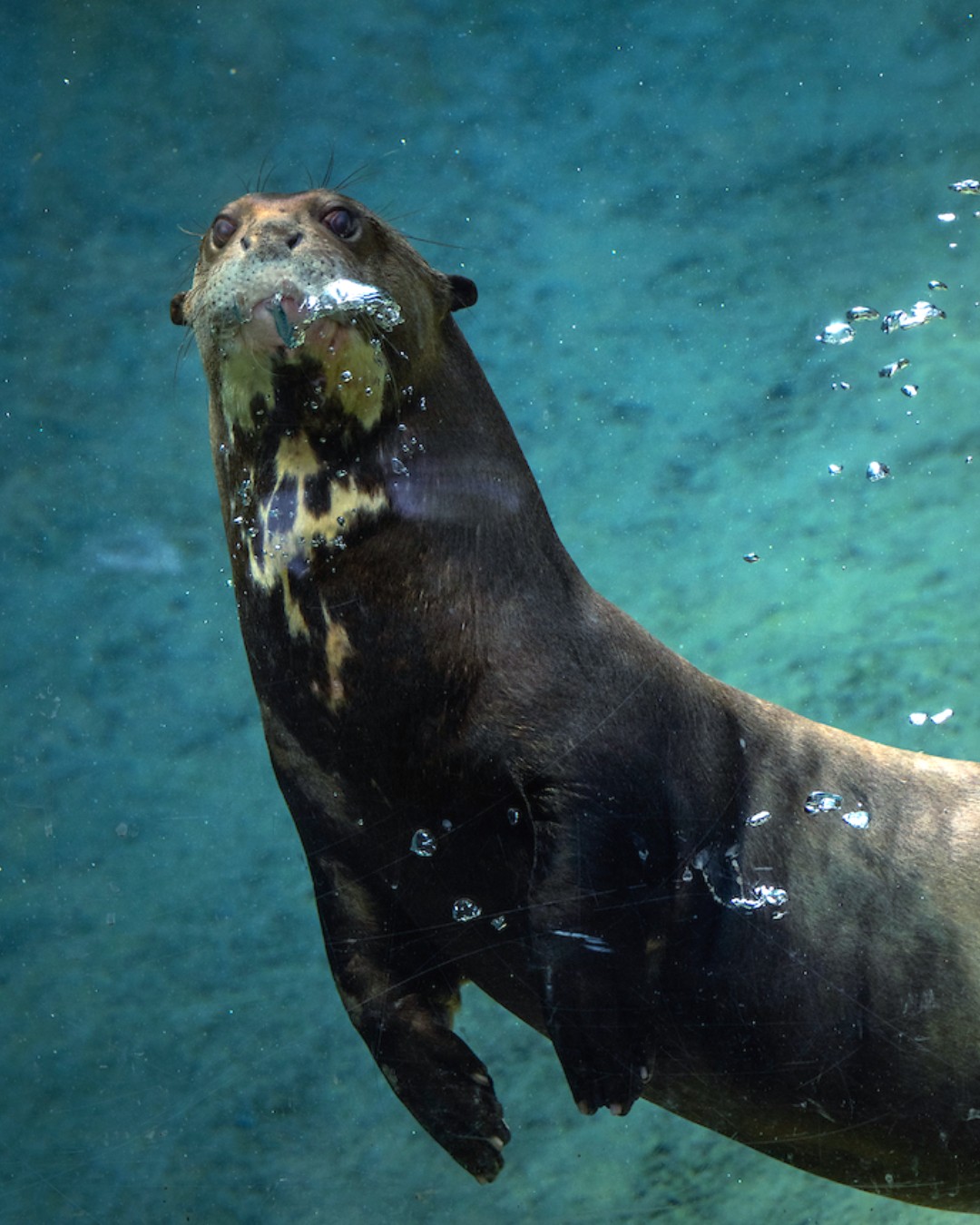
- The fascinating behavioral traits of Mia the giant otter, emphasizing her unbothered nature, bubble-blowing, and unique behaviors.
- An overview of the giant otter’s habitat, social structure, and adaptive traits that support its lifestyle in the wild.
- The significance of zoo management practices in maintaining giant otter health, education, and conservation efforts.
- Insights into the challenges and successes in wildlife conservation efforts aimed at protecting giant otters and their ecosystems.
- How public engagement and education initiatives play a crucial role in wildlife conservation, with Mia as an ambassador.
Mia, the giant otter, serves as both a charismatic figure and an educational ambassador within her zoo habitat. Her unbothered demeanor, penchant for blowing bubbles, and overall relaxed vibe offer a captivating glimpse into the social and behavioral dynamics of giant otters. As creatures native to the freshwater rivers and lakes of South America, giant otters have evolved a fascinating array of characteristics that support their existence in the lush, yet challenging, environments they call home.
Giant otters, known scientifically as Pteronura brasiliensis, are the largest members of the mustelid family. They have a streamlined body, webbed feet, and dense fur, all adaptations that make them superb swimmers. These otters are highly social animals, living in cohesive family groups led by a dominant pair. The group structure is crucial for survival, offering protection against predators and supporting cooperative hunting.
Mia’s bubble-blowing behavior is more than just endearing; it serves as a playful expression and an interaction within her social group. Giant otters communicate through an impressive range of vocalizations and physical gestures. Bubble blowing may also be linked to their need to explore their environment and engage in play, which is integral to cognitive development and social bonding.
Effective zoo management practices are essential for the well-being of animals like Mia. Zoos focus on creating environments that stimulate natural behaviors and provide enrichment activities. For giant otters, this means offering a habitat that includes clean water features, opportunities for foraging, and structured playtime to engage their agile minds and bodies. Veterinarians and zookeepers also keep vigilant watch over their diet and health, ensuring the otters receive balanced nutrition and medical care.
Conservation of giant otters extends beyond zoo environments. In the wild, these creatures face threats from habitat destruction, illegal hunting, and pollution. Protecting their natural habitats involves international cooperation, conservation programs, and research initiatives. Organizations dedicated to wildlife preservation work tirelessly to create protected areas, conduct scientific studies, and advocate for sustainable practices that safeguard freshwater ecosystems.
Public engagement plays an indispensable role in conservation. Educational programs that spotlight ambassadors like Mia can ignite public interest and commitment to protecting wildlife. Zoos offer unique opportunities to observe and learn about these majestic creatures, fostering a connection that can translate into support for conservation efforts.
Giant otters, with their charismatic features and intricate social behaviors, remind us of the rich tapestry of life on Earth. By understanding and preserving such species, we not only protect them but also the intricate ecosystems to which they belong, ensuring that future generations may also be charmed by their unbothered nature, bubble-blowing antics, and relaxed vibes.
*****
Source Description
🦦 Be like Mia the giant otter: Unbothered. Blowing bubbles. Vibing.
