
- Lee G. Simmons Wildlife Safari Park’s commitment to local conservation efforts.
- The impact of the Trumpeter Swan reintroduction program.
- Collaboration with global conservation organizations.
- Educational programs and community outreach initiatives.
- Future goals and ongoing projects for wildlife conservation.
The Lee G. Simmons Wildlife Safari Park serves as an influential player in wildlife conservation, particularly through its dedication to local and global efforts. This facility not only showcases remarkable species from various habitats but also engages in serious endeavors to protect and recover wildlife. With a foundation steeped in scientific research and responsible management, the park has made significant strides in ensuring the well-being of various species, both native to Nebraska and worldwide.
Nebraska is home to a variety of native species facing threats from habitat loss and environmental changes. The Lee G. Simmons Wildlife Safari Park plays an essential role in the recovery of these species, focusing on habitat restoration, education, and community engagement. By collaborating with local landowners, conservation groups, and government entities, the park addresses pressing environmental issues. This proactive approach allows for the reclamation and protection of essential habitats, thereby benefiting native flora and fauna.
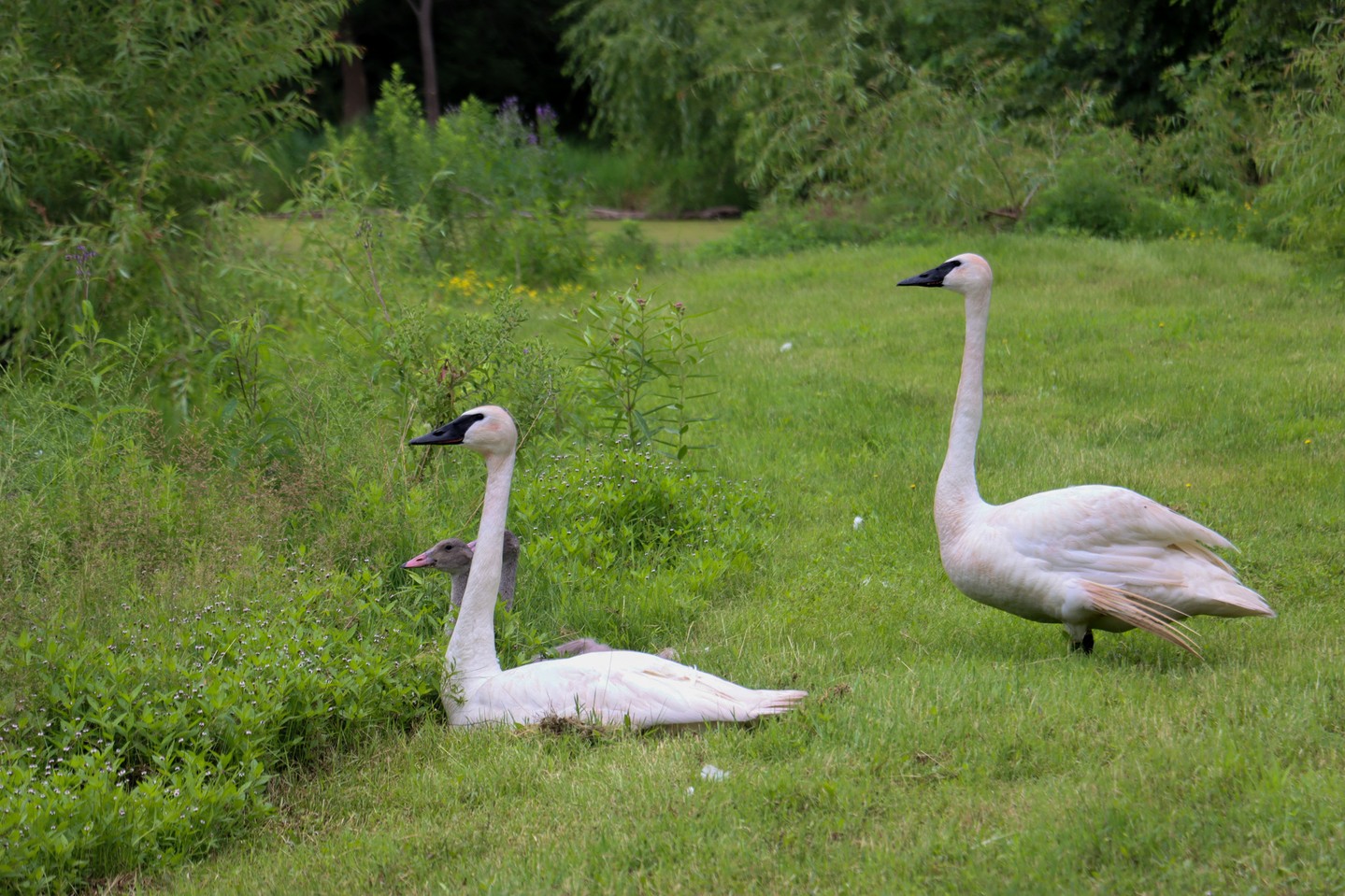
Among the park’s most impactful contributions is its participation in the Trumpeter Swan reintroduction program. The Trumpeter Swan, once nearing extinction, has a compelling history. Overhunting and habitat destruction led to its critical decline. Concerted efforts from various organizations, including the Lee G. Simmons Wildlife Safari Park, have focused on breeding programs and habitat restoration to reverse this alarming trend.
Jack and Diane, the park’s resident pair of Trumpeter Swans, represent the critical efforts being made to restore this beautiful species. Their participation in the breeding program emphasizes the importance of captive-breeding initiatives in preserving biodiversity. The park’s staff, comprised of knowledgeable zoologists and wildlife caretakers, monitors the well-being of these swans, ensuring optimal levels of health and reproductive success. This meticulous care is vital for any species on the brink of extinction.
Collaboration is a cornerstone of the park’s conservation strategy. By partnering with numerous organizations focused on various species and ecosystems, the park amplifies its impact. These alliances involve sharing resources, data, and expertise. Through such partnerships, the park has joined forces with wildlife experts and conservationists from around the United States and beyond. This network enables effective communication, resulting in informed decision-making and successful project implementation.
Global conservation organizations have increasingly recognized the importance of local conservation initiatives. The Lee G. Simmons Wildlife Safari Park exemplifies how a regional focus can contribute to international efforts. Numerous species face challenges worldwide, and local conservation programs can serve as models for larger initiatives. Effective conservation strategies—rooted in community engagement, education, and scientifically-backed approaches—are vital for long-term sustainability.
Educational programs are an essential aspect of the park’s mission. The park serves as an informative platform where visitors can learn about the intricacies of wildlife biology and conservation. School groups, families, and conservation enthusiasts engage in educational activities that foster a deeper understanding of environmental stewardship. Interactive presentations clarify complex ecological concepts through hands-on learning. By inspiring visitors to take action for wildlife, these programs empower communities to support conservation efforts.
The park’s outreach initiatives extend beyond its physical boundaries. Through community workshops, webinars, and online resources, the park connects with a broader audience. These efforts focus on building awareness about local wildlife and encouraging sustainable practices. Engaging the community allows the park to forge meaningful relationships that contribute to conservation priorities.
Technology plays a significant role in modern conservation practices. The Lee G. Simmons Wildlife Safari Park leverages technological advancements to enhance wildlife monitoring and data collection. Cameras, drones, and software tools enable the tracking of animal populations without disturbing their natural behaviors. This efficient use of technology supports informed conservation strategies and helps identify critical conservation areas to prioritize.
Future goals for the Lee G. Simmons Wildlife Safari Park encompass ongoing projects aimed at sustaining wildlife populations and ecosystems. One focus is the continued enhancement of breeding programs for native species, ensuring that they do not face the same pressures of extinction. Collaboration will increase in significance as new partnerships emerge in the coming years. This emphasis on networking will help fortify the park’s projects and extend its reach into communities both near and far.
Investing in habitat restoration remains another central aim. As climate change continues to impact ecosystems, proactive measures to restore degraded habitats are crucial. The park seeks to implement innovative techniques that not only benefit wildlife but also educate the public about the importance of environmental resilience.
In summary, the Lee G. Simmons Wildlife Safari Park embodies an essential commitment to wildlife protection and conservation. Through local and global partnerships, the park tackles immediate challenges facing wildlife species in Nebraska and beyond. The ongoing reintroduction of the Trumpeter Swan stands as a testament to the positive influence of thoughtful, science-driven practices on endangered species. Moreover, the park’s dedication to education plays a pivotal role in raising awareness and engaging communities in conservation efforts. By executing a comprehensive plan for future projects, the park is laying the groundwork for sustained conservation initiatives that will benefit wildlife for generations to come.
To stay informed about the park’s conservation efforts and initiatives, please visit the Lee G. Simmons Wildlife Safari Park’s website at https://www.omahazoo.com/conservation-at-omaha-zoo, or stop by for an in-person experience. The journey towards effective wildlife conservation is not solely the responsibility of organizations like the park; it requires collective effort and awareness from all members of society.
*****
Source Description
This World Conservation Day, we’re recognizing the many ways the Lee G. Simmons Wildlife Safari Park is helping protect wildlife both near and far.
From recovering native species in Nebraska to partnering with conservation organizations around the world, our teams are leading efforts that blend science, expert care, and collaboration to support species and ecosystems.
One example is our participation in the nationwide Trumpeter Swan reintroduction program. In recent years, this species came dangerously close to extinction. But, because of the work of conservation teams like ours, the species has been reintroduced across the nation. Our own pair of Trumpeter Swans, Jack and Diane have played a significant role in the conservation of the species.
You can learn more about our conservation efforts by visiting our website, https://www.omahazoo.com/conservation-at-omaha-zoo, or stopping by the Safari Park!
