
- Capybara Characteristics and Behavior
- Living Conditions and Habitat at Hattiesburg Zoo
- Dietary Needs and Feeding Habits
- Importance of Capybaras in Ecosystems
- Conservation Efforts and Awareness Campaigns
Capybaras are fascinating creatures, often regarded as the world’s largest rodents. Their sociable nature and unique behaviors make them captivating animals. They are naturally found in various regions, particularly near water bodies in South America. Capybaras are known for their friendly demeanor, often leading them to be friendly with other wildlife as well as humans. Their social structure includes living in groups, which can consist of 10 to 20 individuals. These bonds help them maintain social stability and protect themselves from predators.
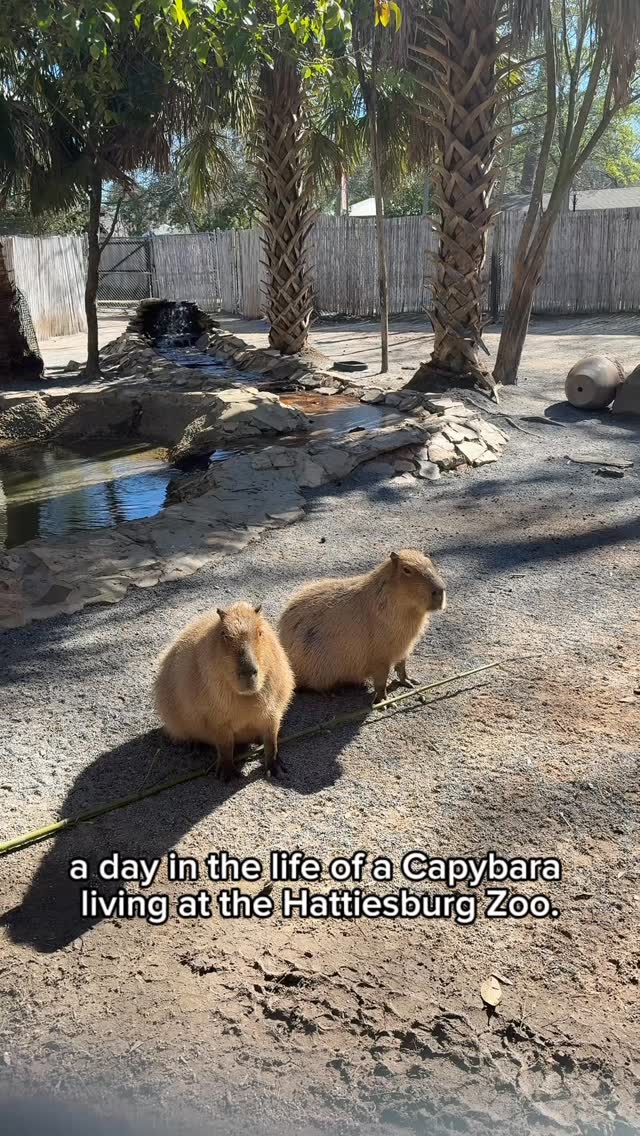
At the Hattiesburg Zoo, the capybaras enjoy a carefully curated habitat that mirrors their natural environment. This area includes vast, open spaces for grazing, alongside accessible pools for swimming and cooling off. The pool is one of their favorite spots. Capybaras are semi-aquatic, meaning they thrive in environments that allow them to swim and dive. The zoo ensures that these water features are properly maintained, providing clean water that enriches their living space.
Capybaras are herbivores, primarily feeding on grasses, aquatic plants, and various types of vegetation. At Hattiesburg Zoo, staff take special care to provide them with a varied diet, offering fresh snacks daily. This nourishment is critical for their digestive health, as they have a unique digestive system that requires a high-fiber diet. Grazing is a significant part of their day; they spend a good portion of their time foraging for food. The zoo prides itself on maintaining an extensive feeding program that caters to their dietary needs.
In their natural habitats, capybaras play an essential role in their ecosystems. They contribute to the health of the grasslands by grazing on vegetation, which helps control plant growth and maintain balance. Their grazing habits encourage new growth, allowing other plant species to thrive. Additionally, capybaras create habitats for other animals; as they move through areas, they help to aerate the soil and disperse seeds.
Conservation awareness is another critical topic surrounding capybaras. Although they are currently classified as Least Concern by the IUCN, their habitats are threatened by agricultural expansion, deforestation, and hunting. Education is vital to ensuring that they remain a cherished species. The Hattiesburg Zoo is proactive in advocating for capybara conservation, as seen during events like the Second Saturday celebration. This initiative invites visitors to learn about these creatures while engaging with their care and habitats.
Capybaras also serve as ambassadors for their species during educational programs at the zoo. Visitors can witness their charming personalities firsthand. Through these engagements, the zoo helps raise funds for broader wildlife conservation efforts, further highlighting the importance of preserving natural habitats. Educational workshops may cover the ecological roles of capybaras, their behavior, and their dietary requirements.
The blend of playful moments, such as pool time, along with daily naps, illustrates what life is like for a capybara at the Hattiesburg Zoo. In the wild, their lives are not devoid of challenges, primarily involving survival against predators or finding adequate food. However, in this zoo setting, capybaras experience what can only be described as a paradise—a secure environment that caters to their physiological needs while promoting their natural behaviors.
One might wonder about the interactions capybaras have with other species. At the Hattiesburg Zoo, these interactions can also be educational. For instance, capybaras are known to coexist with other animals, such as monkeys and birds, in their environments. These observations provide zoo visitors insight into interspecies relationships, demonstrating how animals can live harmoniously while fulfilling their instincts and needs.
Moreover, the gorilla exhibit at the Hattiesburg Zoo can showcase the significant role capybaras fulfill in promoting a diverse ecosystem. Educators can highlight the balance of nature and how each animal, big or small, contributes to overall health. Such interactions can elevate discussions about conservation efforts, further amplifying the understanding of animal interconnectivity.
Capybaras are not just adorable, rotund animals; they symbolize vibrant ecosystems. Their social structures and behaviors help foster a sense of community among various species. The more we understand about them, the more we can appreciate their role. At institutions like the Hattiesburg Zoo, the teaching of these principles continues to thrive.
Capybaras make memorable impressions on zoo visitors. Their curious nature and social interactions often draw attention, leading to insights into their lives. The zoo provides opportunities for children and adults alike to witness animals in action, sparking an interest in wildlife and conservation. Programs centered around animal care and ecology can create profound connections between visitors and the natural world.
Virtual scavenger hunts and interactive displays can also enhance the visitor experience while keeping attention on capybaras. Such activities can teach individuals about their importance and how to help preserve their habitats. Caregivers at the zoo are experts in curating experiences that not only entertain but educate.
Finally, the capybara’s adaptability to different environments makes them a focal point for discussions on resilience in the wild. As climates shift and environments change, studying how these intelligent animals respond can yield valuable insights into broader ecological topics.
The concept of keeping capybaras in captivity has raised ethical considerations over time. While zoos aim to provide enriched environments that promote natural behaviors, the balance between animal welfare and public education remains crucial. At the Hattiesburg Zoo, significant efforts are made to advocate for captive breeding programs to supplement wild populations while highlighting the necessity for habitat preservation.
Active discussions within the community about wildlife rehabilitation and rescue further elevate awareness about species such as capybaras. Events, like the zoo’s celebrations, serve as platforms for engaging conversations about wildlife, habitat conservation, and animal well-being.
Visitors are often left with a renewed appreciation for the role of capybaras in our ecosystems. They ignite curiosity about wildlife, prompting questions and discussions long after leaving the zoo. The capybara’s charm and serene lifestyle resonate with those who witness it, making them not just another animal in the zoo but rather a central figure in advocating for biodiversity and ecological awareness.
By fostering public interest through fun, educational experiences, the Hattiesburg Zoo continues to focus on the essential work involved in wildlife conservation. As more people become informed about species like capybaras, the hope is to inspire future generations to care for all creatures. When your life is good as a capybara, it reinforces resilience, cohabitation, and crucial responsibilities that we all share in the journey of life on Earth.
Whether it’s through swimming in cool pool waters, munching on fresh snacks, or enjoying a cozy nap, life is undeniably enjoyable when you’re a capybara at the Hattiesburg Zoo. Join the community during celebrations to explore, learn, and experience these remarkable animals. Raising awareness about their existence and ecology is an ongoing mission that can be embraced by everyone who shares an interest in wildlife conservation.
*****
Source Description
Life is good when you’re a capybara- especially when you live at the Hattiesburg Zoo! Pool time, fresh snacks, and daily naps? Paradise! 😎
We had to hop on the movie narrator trend! Our capybaras are always the main character. Visit them this weekend at our Second Saturday celebration!
