
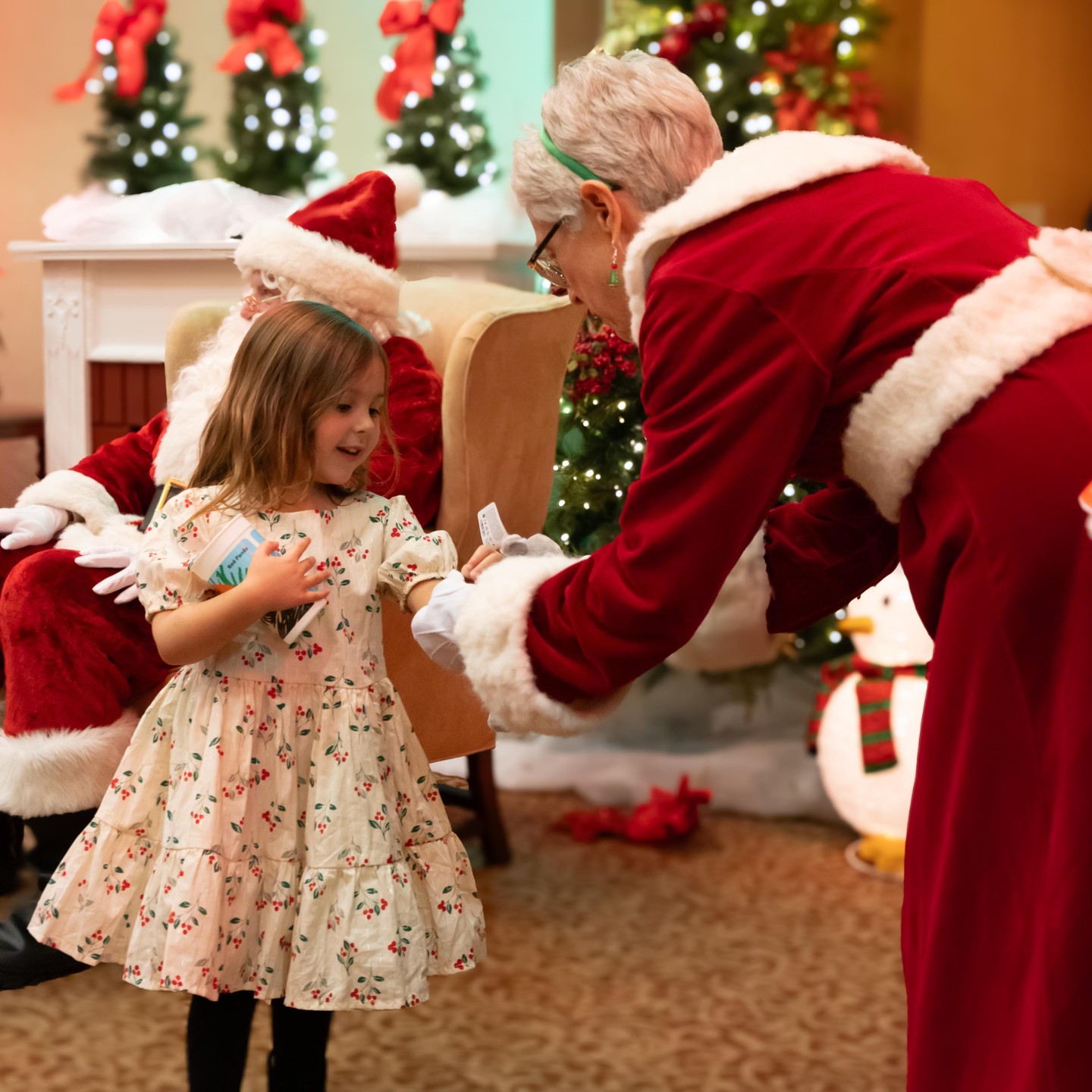
- Overview of Mrs. Claus’ Dinner and Event Highlights
- Importance of Zoo Events in Community Engagement
- Impact of Wild Lights on Wildlife Awareness
- Role of Holiday Events in Conservation Education
- How Guests Can Support Zoo Initiatives
Mrs. Claus’ Dinner promises a delightful holiday experience while emphasizing community engagement and wildlife conservation. Running nightly from December 15 to 19, this event invites attendees to enjoy a cozy meal with Mrs. Claus and her friends, fostering a festive atmosphere.
Guests will treasure not only the wholesome meal but also the unique opportunity to participate in an event that promotes interaction with the zoo community. The dinner will offer a cozy, informative experience filled with holiday cheer. It serves as an avenue for families to connect, share stories, and create lasting memories during the holiday season.
Partaking in Mrs. Claus’ Dinner includes admission to the Wild Lights event, presented by Commerce Bank. Wild Lights features stunning light displays that illuminate the zoo’s landscape. This event does more than just brighten the programming; it provides an excellent opportunity for attendees to appreciate the beauty of wildlife in an enchanting setting. The added “fast pass” to visit Santa offers a convenient way to meet the iconic holiday figure.
Such events are instrumental in promoting community engagement. They create an inviting atmosphere, appealing not just to families but also to individuals of all ages. Events like Mrs. Claus’ Dinner foster a sense of togetherness. They provide a space where knowledge about wildlife and conservation can be shared informally. Families mingle with staff, volunteers, and other attendees, enabling discussions that organically enhance the understanding of zoological and ecological issues.
Another integral aspect of events like Wild Lights is how they raise awareness around wildlife conservation. The dazzling displays draw crowds, which also serves an educational purpose. Each light installation can include information about specific species and their habitats, bringing attention to vital conservation messages. These light displays become platforms for dialogue about the challenges that wildlife faces in a changing environment.
The role of holiday events in conservation education cannot be understated. Events at the zoo, particularly during festive seasons, illustrate the connection between community and wildlife. By linking holiday spirit with educational themes, zoos effectively reach a broader audience. They attract attendees who may not typically engage with environmental issues. The cheerful atmosphere can serve as a gateway for deeper conversations about ecology, sustainability, and biodiversity. By attending Mrs. Claus’ Dinner, guests contribute to this mission. They become part of a larger narrative, emphasizing the importance of preserving animal species and habitats.
It is essential to consider how guests can support these initiatives. Revenue from events such as Mrs. Claus’ Dinner often goes directly to conservation programs. This financial input can aid in protecting endangered species, maintaining natural habitats, and funding educational outreach efforts. When attendees purchase tickets, they are not just buying a meal; they are investing in the future of wildlife conservation. Contributions made through events create ripples of positive impact on the community and the environment.
For those interested in attending, registration is open until December 4. Spots are limited, emphasizing the need for timely reservation. The marriage of festive dining and conservation education creates a meaningful experience that guests will not forget. It is an opportunity to enjoy a holiday tradition while also contributing to a crucial cause.
Engaging with wildlife and supporting conservation efforts need not be a solitary endeavor. Events like Mrs. Claus’ Dinner show how communities can come together. The shared experience can encourage attendees to partake in more wildlife-related activities throughout the year. Regular attendance at zoo events can contribute to building lifelong advocates for wildlife stewardship.
The educational elements of the dinner will include brief talks about ongoing conservation efforts at the zoo, allowing guests to gain insights into the work being done daily. This direct interaction with knowledgeable staff enhances the experience. It creates an environment where questions are welcomed, and learning occurs instinctively.
Such educational efforts illustrate the zoo’s commitment to creating awareness. They serve as an opportunity for guests to understand better the interconnectedness of ecosystem health and species survival. By learning about wildlife directly from experts, attendees come away equipped with knowledge that they can share with others. This kind of informal education is impactful; it helps break down barriers between the public and scientific understanding of conservation issues.
Moreover, attending events like Mrs. Claus’ Dinner promotes social responsibility. Families leave knowing they have contributed to a cause greater than themselves. They gain the opportunity to reflect on their role as stewards of the planet. This sense of individual responsibility can inspire subsequent actions, from choosing sustainable products to advocating for local conservation policies.
Zoo events also provide research opportunities. The data collected from attendance can help inform future programming. Understanding visitor engagement can enhance wildlife initiatives and educational outreach strategies. Gathering insights from events like Mrs. Claus’ Dinner can guide changes that resonate with the audience and continue to build community support.
Holiday-themed events particularly resonate because they evoke feelings of nostalgia and the joy of giving. This emotional engagement can bridge a gap between the public and conservation issues. As families come together to celebrate or find joy in the season, they often become more receptive to learning about issues facing wildlife. Engaging through enjoyable experiences like Mrs. Claus’ Dinner allows the zoo to tap into these sentiments effectively.
The educational impact extends beyond the walls of the zoo. Participants often share their experiences on social media or speak about them with friends and family. This kind of community outreach can amplify the conservation message to a broader audience. Each guest becomes an informal ambassador for wildlife, spreading the word about the importance of preservation and ecological responsibility.
Furthermore, Mrs. Claus’ Dinner is a prime example of how seasonal events can become staples in community tradition. When families look forward to these events, they often become part of their holiday rituals. As children grow up participating in these activities, they internalize the values associated with wildlife care and conservation. This generational approach can foster a culture that promotes a deep appreciation for nature.
The introduction of themed events aligns with the mission of many zoos: to promote understanding and compassion for wildlife. By crafting experiences that are enjoyable and educational, zoos effectively position themselves as centers for community engagement. Innovations in programming like Mrs. Claus’ Dinner can serve as a model for other institutions looking to strengthen their community ties.
Support for these initiatives can also emerge from local businesses, which can see collaborative opportunities during such events. Partnerships can transform a simple dinner into a community-wide festival. They can involve sponsorships or cross-promotion, bringing more attention to conservation efforts.
Many of the issues surrounding wildlife conservation are complex and multifaceted. Engaging the public through easily digestible content is crucial. Events like Mrs. Claus’ Dinner offer a format where potential difficult topics can be discussed in a light-hearted manner. Attendees can leave feeling informed but not overwhelmed.
Lastly, the joy of a shared meal should not be underestimated. Food has a unique power to bring people together. It can facilitate conversations and cultivate relationships. This connection can extend beyond the dining table. Individuals who bond over shared experiences are more likely to collaborate on future initiatives aimed at conservation.
The limited availability of spots at Mrs. Claus’ Dinner adds an element of excitement and urgency. Families interested in fostering this connection with wildlife should act quickly to secure their reservations. By attending, they are investing in both a cherished holiday experience and the continuation of important conservation efforts.
Through these collective efforts, community events celebrate wildlife and encourage attendees to advocate for a healthier planet. They serve as more than just a getaway from routine; they integrate fun, education, and a call to action. Attending Mrs. Claus’ Dinner enables families to immerse themselves in the joys of the season while also making contributions that positively impact wildlife conservation.
*****
Source Description
Bring your appetite! Limited spots remain for Mrs. Claus’ Dinner. 🤶🍽️
Settle in for a cozy meal with Mrs. Claus and friends, held nightly Monday–Friday, Dec. 15–19. Ticket purchase also includes admission to Wild Lights presented by Commerce Bank and a “fast pass” to visit Santa at Wild Lights.
Registration closes Thursday, Dec. 4. Reserve your spot at the or stlzoo.org/events!
