
- The importance of community events in promoting wildlife education.
- Engaging children in conservation through interactive activities.
- The role of zoos in providing safe, educational experiences for families.
- Understanding the significance of seasonal events like Easter in zoos.
- Ways to promote wildlife conservation during festive gatherings.
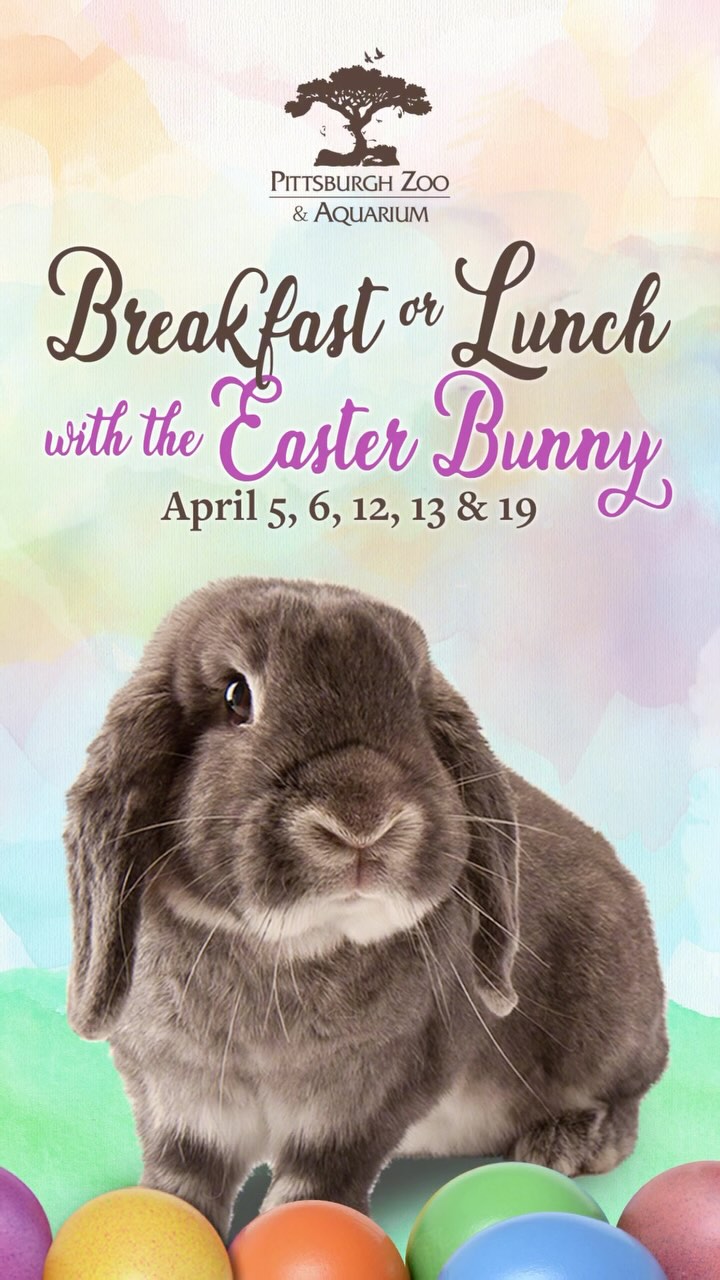
Community events like “Breakfast or Lunch with the Easter Bunny!” serve multiple purposes, especially in educational institutions like zoos. These gatherings are vital for fostering a love and understanding of wildlife among the younger generation. Events that attract families highlight the connection between human activities and wildlife conservation. When families come together for activities such as a scavenger hunt or crafting projects, they create lasting memories while engaging with the mission of a zoo. The excitement generated during such occasions encourages children to appreciate the importance of wildlife, laying the foundation for future conservationists.
Encouraging children to participate in activities focused on learning about animals can have a profound impact. During events like Breakfast or Lunch with the Easter Bunny, children can engage in crafts that often relate to animal life cycles or habitats. For instance, they might create bunny ear headbands or decorate eggs while learning about the significance of these animals in various ecosystems. The interactive nature of these events captivates young minds, making learning enjoyable. Children gain valuable insights into the lives of the animals they see, fostering curiosity and care toward wildlife. This early engagement is pivotal in cultivating a future generation that values and protects biodiversity.
Zoos play an essential role in providing educational experiences for families. The environments created within zoos are designed to foster knowledge and appreciation of various species. When families visit the zoo during special events, they immerse themselves in a vibrant setting filled with educational materials and learning opportunities. Exhibits often include informative placards that explain the habits and habitats of the animals on display, while staff members are available to answer questions and provide deeper insights. Such access promotes a richer understanding of wildlife, making family visits both entertaining and educational.
Seasonal events like Easter are particularly significant to zoos, as they attract large crowds and provide opportunities for outreach. Easter celebrations often begin the spring season, a time when many animals are more active, making it an ideal period for observation. Families may be more inclined to visit zoos during this time, drawn in by festive activities. The synergy between holiday festivities and educational programming creates an atmosphere where wildlife conservation becomes part of the family culture. Events designed around these seasonal opportunities allow zoos to connect the importance of harmony between humans and animals, showing how each can coexist effectively.
During festive gatherings like Breakfast or Lunch with the Easter Bunny, zoos can further their mission of promoting wildlife conservation. Engaging activities, such as creating environmentally friendly crafts or participating in fun scavenger hunts, empower children to explore the world around them. Educational segments highlighting the importance of the Easter Bunny’s habitat, for example, can also be incorporated into the activities. Families participating in such events may leave with a better understanding of the interconnectedness of ecosystems and the need to take action for wildlife preservation. By seamlessly blending fun and education, zoos foster a sense of responsibility toward the environment.
Moreover, it is crucial to emphasize the benefits of zoo programming in raising awareness about the challenges facing wildlife today. As species face habitat destruction, climate change, and poaching, educational events provide a platform to discuss these pressing issues. Interactive discussions led by knowledgeable staff can help families understand the methods used to protect endangered species and restore habitats. Such transparency builds trust and deepens the visitors’ commitment to conservation, as topics like these are often too advanced to cover in regular school settings.
Children who participate in zoo functions come away with varied knowledge about wildlife conservation. They might learn about the life cycles of different species, their roles in ecosystems, and how human actions impact them. Furthermore, crafting activities regarding local wildlife can promote an appreciation for animal habitats right in their backyards. When children engage in creative learning experiences, they begin to see themselves as part of a larger ecosystem, enhancing their sense of responsibility toward animals, both in the zoo and in the wild.
Additionally, hosting events like Breakfast or Lunch with the Easter Bunny provides zoos with the opportunity to share success stories related to wildlife rescue and rehabilitation. By showcasing animals that have been saved or rehabilitated, zoos can humanize the plight of wildlife. Families connecting with these stories often feel motivated to contribute to conservation efforts. Donations may result in better care for animals or funding for long-term preservation projects. This interaction lays the groundwork for a collective effort toward wildlife protection, while also making visitors feel like they play a part in those successes.
In terms of zoo management, organizing special events requires collaboration with various departments. From culinary teams preparing delightful meals for families to animal care staff ensuring that the habitats are safe and engaging, teamwork is key. Each department must synchronize efforts to provide a smooth experience for attendees. Doing so not only enhances the visitors’ experience but maximizes the educational impact of the event. Coordination is vital, as successful events can serve as a template for future gatherings, ensuring that family-oriented activities continue to thrive in the educational landscape of zoos.
Environmental responsibility extends even to the materials used during such festive occasions. Many zoos now actively pursue sustainable practices, encouraging the use of recyclable or biodegradable materials in crafts and activities. This commitment not only models positive environmental behavior but can also teach children about the importance of reducing waste. By making sustainable choices, zoos reinforce their dedication to conserving wildlife and preserving natural habitats.
Furthermore, the emotional bond that families develop with animals during events like Breakfast or Lunch with the Easter Bunny cannot be overstated. Photographic opportunities with the Easter Bunny serve as visual mementos, often cherished by families for years. These pictures create lasting connections to wildlife and foster conversations about nature at home. When families treasure these moments, they often pass on their love for animals, indirectly contributing to long-term conservation efforts.
Event marketing strategies also play a significant role in the success of these family gatherings. Social media platforms, email newsletters, and community partnerships help promote the event, attracting families from various demographics. Effective marketing ensures that messages about wildlife conservation reach a broader audience, raising awareness and driving attendance. With ticket sales often limited, prompt promotion can generate excitement and urgency, ensuring that families do not miss out.
Incorporating educational programming into events is essential for maximizing outreach. Short presentations by animal care experts or educational games can be included in the scheduled activities, further enriching the experience. Use of technology, such as interactive apps or QR codes linked to informative videos, can make learning more engaging. These techniques ensure that education is woven into every aspect of family interactions, enhancing appreciation for wildlife conservation.
Another pivotal aspect of such events is the opportunity to engage volunteers. Many zoos rely on enthusiastic community members to help facilitate activities and maintain the environment. Volunteers often share their passion for animals, providing visitors with firsthand knowledge. Their presence enriches the educational experience and fosters a sense of community involvement. Families witnessing this collective effort may feel inspired to get involved in local conservation initiatives, strengthening the bond between zoos and their communities.
In summary, events like Breakfast or Lunch with the Easter Bunny offer layers of educational opportunities that extend beyond traditional zoo visits. As families enjoy a day of fun, they engage with the critical issues of wildlife conservation through hands-on experiences. Through creative activities, interactive crafts, and discussions led by knowledgeable staff, zoos illuminate paths toward understanding and protecting the diverse species with which we share our planet. Connecting these festive moments to educational missions helps cultivate awareness and responsibility towards wildlife, further perpetuating the crucial work of zoos in conservation efforts. Families leave such events with not just fond memories, but also a commitment toward contributing to the well-being of wildlife and the environment.
*****
Source Description
Tickets are going quickly for Breakfast or Lunch with the Easter Bunny! Hop on into the Zoo for a fun time this Easter! Create a cute craft, activities, join a scavenger hunt, have a tasty meal, and take a picture with the Easter Bunny. Includes Zoo admission! Tickets in our bio! 🐣💐🐰
