
- The significance of the Tree Kangaroo Species Survival Plan (SSP) Workshop.
- Overview of tree kangaroo natural history and taxonomy.
- The role of AZA accredited zoos in conservation and education.
- Key topics discussed during the workshop.
- Future perspectives for tree kangaroo conservation initiatives.
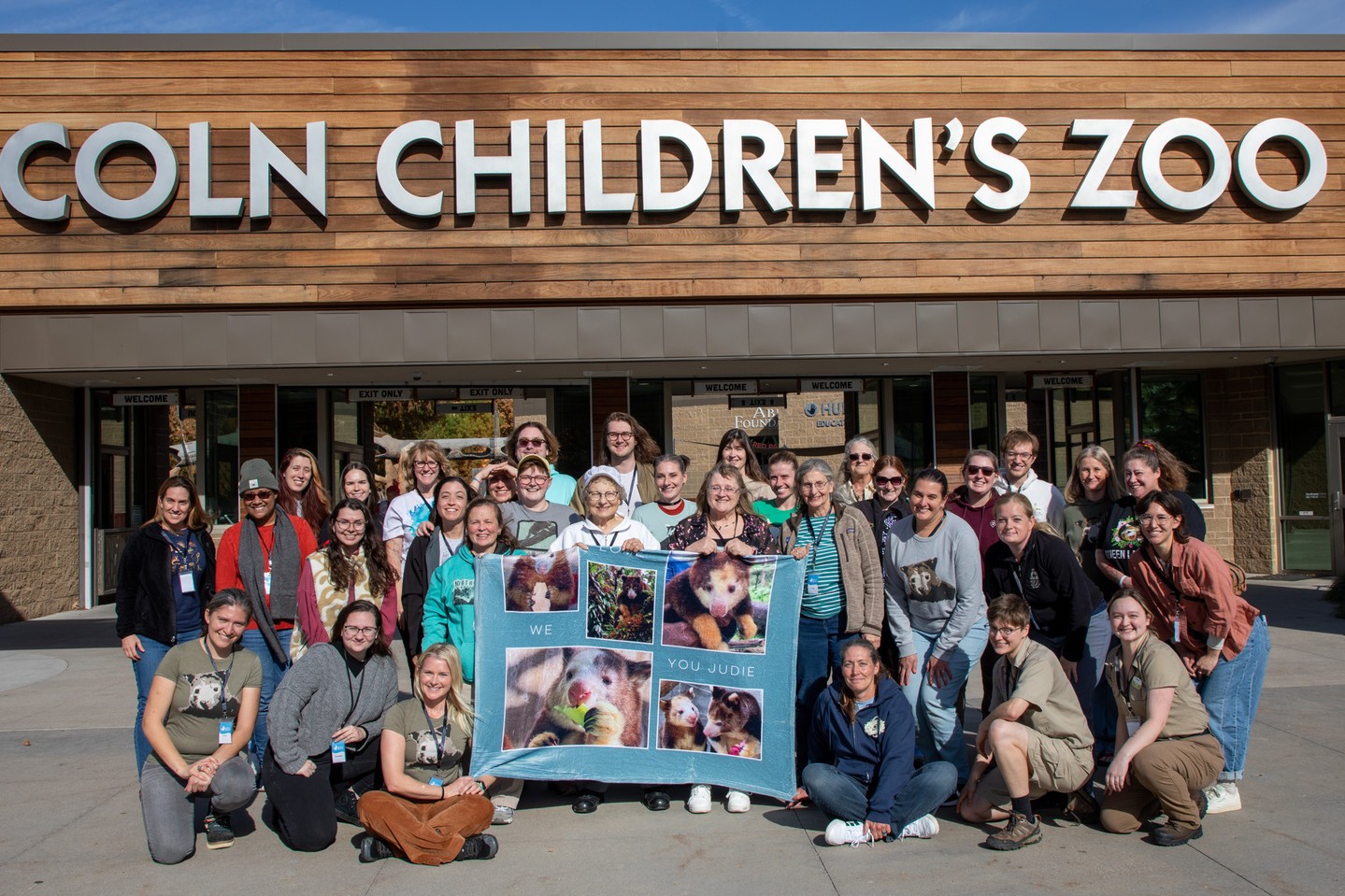
The Tree Kangaroo Species Survival Plan (SSP) Workshop serves as a critical venue for collaboration among professionals committed to wildlife conservation. The gathering, hosted by the Lincoln Children’s Zoo, highlighted efforts to address the challenges facing tree kangaroos, an endangered group of marsupials. This workshop represents a concerted effort among accredited zoological institutions and experts, acknowledging the urgency of protecting species on the brink of extinction.
Tree kangaroos belong to the family Macropodidae, which includes kangaroos and wallabies. They inhabit the lush rainforests of New Guinea, Australia, and nearby islands. This group is distinguished by their adaptation to an arboreal lifestyle, unlike their terrestrial relatives. Their adaptations include strong forelimbs, long tails for balance, and unique dietary habits. By studying their natural history and taxonomy, participants gain insights into their evolution, ecology, and the specific threats jeopardizing their survival.
Accredited zoos, part of the Association of Zoos and Aquariums (AZA), play a pivotal role in conservation and education. These institutions are not only dedicated to housing and exhibiting wildlife but also to engaging in significant research and breeding programs. The collaboration amongst zoos during workshops like the Tree Kangaroo SSP Workshop amplifies their capacity for effective conservation actions. Through coordinated efforts, these organizations contribute to species recovery initiatives and public education programs, fostering a greater understanding of biodiversity.
The workshop featured a comprehensive agenda examining various aspects of tree kangaroo biology and conservation. Notable topics included training protocols to enhance animal welfare, reproductive strategies to support breeding programs, and veterinary care to address health challenges. Each segment aimed to equip attendees with practical knowledge that can be applied in their respective facilities.
Training protocols are essential for enriching the lives of animals in captivity. Effective training not only promotes positive behaviors but also facilitates health assessments and routine care. In the context of tree kangaroos, such programs can minimize stress during veterinary examinations and enhance the overall well-being of the animals. By focusing on positive reinforcement techniques, zookeepers can foster trust and cooperation from the animals they care for.
Reproductive strategies discussed during the workshop highlighted methods to improve breeding success for tree kangaroos. These marsupials have specific habitat requirements and reproductive behaviors that demand precise attention within managed care settings. Workshops like this provide an opportunity for sharing best practices, including artificial insemination techniques and nurturing conditions vital for raising healthy offspring. The transfer of knowledge between institutions can lead to more effective breeding programs, ensuring genetic diversity and population stability.
Veterinary care also remains a focal point of wildlife conservation initiatives. The health challenges that tree kangaroos face in captivity and the wild can be devastating. Conditions such as parasites, nutritional deficiencies, and injuries necessitate comprehensive veterinary interventions. Sharing case studies and the latest medical advancements among professionals provides a platform to improve veterinary practices across institutions, enhancing care for these specialized animals.
Enrichment is another critical topic that came under discussion. Enrichment strategies aim to replicate an animal’s natural environment and stimulate its senses and behaviors. For tree kangaroos, incorporating climbing structures, foliage, and novel food items fosters physical activity and cognitive engagement. Such strategies not only contribute to the animals’ well-being but also enhance the overall visitor experience at zoos, creating educational moments about the importance of conservation.
Research projects were also a vital area of exploration during the workshop. Attendees shared insights and findings from ongoing research related to tree kangaroo behavior, genetics, and habitat conservation. Understanding the ecological role of tree kangaroos in their native environments can facilitate targeted conservation strategies. For example, studies on their foraging patterns can help identify critical habitat areas that require protection or restoration.
Field conservation efforts represent a crucial dimension of species recovery. The challenges tree kangaroos face are deeply intertwined with habitat loss due to deforestation and human encroachment. Participants discussed collaborative projects that directly engage local communities, encouraging sustainable practices that safeguard tree kangaroo habitats. These efforts often include educational outreach to raise awareness about the significance of preserving natural resources and the biodiversity within those systems.
Education plays a prominent role in the mission of zoos and other conservation organizations. Workshops like the Tree Kangaroo SSP Workshop offer a chance to cultivate a deeper awareness of wildlife issues. By sharing their passion for tree kangaroos and the plight they face, experts can equip future generations with knowledge and advocacy tools. Institutions engaging with the public can inspire a collective commitment to conservation, reinforcing the message that everyone can contribute to biodiversity preservation.
The Tree Kangaroo SAFE (Species Survival Plan) initiative, which focuses on creating conservation solutions, was also discussed during the workshop. SAFE represents a strategic framework that integrates science, education, and advocacy. By focusing efforts on priority species like tree kangaroos, collaborative teams can assess threats and develop concrete action plans to enhance conservation outcomes. This includes habitat protection, anti-poaching measures, and restoring ecosystem health.
Looking ahead, the future of tree kangaroo conservation hinges on continued collaboration and innovation. The information exchanged during the workshop serves as a foundation for ongoing programs that address modern challenges. Maintaining genetic diversity, improving welfare in captivity, and safeguarding natural habitats remain key objectives.
The sharing of expertise is essential to create an informed global network dedicated to tree kangaroo conservation. By enhancing partnerships and building capacity, zoos and conservation organizations can foster a united front in protecting tree kangaroos and myriad other species from extinction. This collaborative spirit showcases an understanding that, while individual efforts are important, collective action amplifies success in conservation endeavors.
Efforts to protect tree kangaroos will take ongoing dedication. Workshops like the Tree Kangaroo Species Survival Plan Workshop exemplify the proactive engagement of zoos, experts, and conservationists coming together to confront these challenges. Through education, collaboration, and a shared goal of biodiversity preservation, the hope is to secure a future where tree kangaroos thrive both in the wild and in managed care settings. Engaging the public in this mission continues to be a vital component of fostering a culture of conservation in society. Each participant carries the knowledge and passion to effect change, providing evidence that hope exists for this remarkable species and its habitat.
*****
Source Description
This week, Lincoln Children’s Zoo was honored to host the 8th Tree Kangaroo Species Survival Plan (SSP) Workshop! Representatives from AZA accredited zoos and tree kangaroo experts across the country, as well virtual attendees from around the world, came together to delve into the world of tree kangaroos. Topics covered ranged from natural history, training, reproduction, veterinary care, enrichment, research projects, field conservation, education and so much more.
Workshops like these play a vital role to help save animals from extinction, through education, collaboration, and shared commitment.
Workshop hosted by: The AZA Tree Kangaroo SSP, Tree Kangaroo SAFE, Lincoln Children’s Zoo
