
Summary of Connecting Classrooms to Conservation:
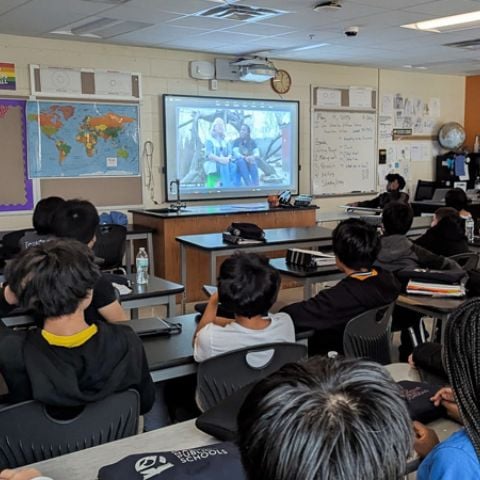
This summer, the Nashville Zoo partnered with Metro Nashville Public Schools (MNPS) to connect thousands of Tennessee students with conservation efforts in Zimbabwe through the Wildlife Research Scholars Program. Zoo educators traveled to Chipangali Wildlife Orphanage, facilitating live virtual sessions that reached nearly 4,000 students. This initiative not only emphasized data but also focused on fostering a lasting conservation ethic among participants.
The project showcased real-world wildlife conservation practices, including the relocation of genets—a small carnivore—reflected the importance of community relationships in conservation. Students engaged in live lessons, witnessing innovative conservation techniques like drone-assisted nest monitoring.
The partnership aims to provide immersive educational experiences, helping students connect classroom learning to global conservation issues. Support for this program comes from community donations, which facilitate access for more local students to conservation-related programs.
The initiative marks the beginning of a larger effort to maintain engagement with the community, encouraging an ongoing interest in wildlife careers and the importance of protecting the environment. Overall, the collaboration illustrates how education linked with practical experience can inspire a commitment to global conservation.
- Connecting Nashville students with conservationists in Zimbabwe through virtual learning
- Firsthand experiences in wildlife conservation and community engagement
- Empowering the next generation of conservationists by fostering real-world connections
- The role of technology in bridging gaps between classrooms and global wildlife initiatives
- The importance of community support and philanthropy in conservation education
This summer, a transformative partnership emerged, linking Nashville Zoo with Metro Nashville Public Schools (MNPS). This collaboration allowed students in Tennessee to connect with ongoing conservation work in Zimbabwe through the Wildlife Research Scholars Program. Nashville Zoo’s Director of Education, Roger Torbert, along with School Programs Manager, Thaisa Bell, traveled to Chipangali Wildlife Orphanage in Bulawayo. Their expedition aimed to cultivate relationships between students in Nashville and conservationists dedicated to wildlife preservation across southern Africa.
The partnership’s impact was profound. In a mere three days, the Zoo’s education team conducted live virtual sessions that reached nearly 4,000 students across ten schools. This unprecedented outreach showcased the potential of educational initiatives that transcend geographical boundaries. Roger Torbert expressed astonishment at the scale of the engagement, noting that both students and teachers experienced a unique learning opportunity that fostered a connection to conservation on the other side of the globe.
However, this initiative extends beyond just impressive numbers; it is fundamentally about forming lasting connections. The mission of Nashville Zoo is deeply rooted in inspiring the community to value and conserve the natural world. Roger pointed out that this partnership emphasizes sustained engagement rather than fleeting interest. The educational experiences generated through virtual sessions are designed to spark a lifelong commitment to conservation among the youth.
Heather Ihde, Experiential Learning Coordinator at MNPS, acknowledged the program as a model for immersive learning. By linking classroom education to real-world conservation issues, the initiative offers educational opportunities that are otherwise rarely accessible. The collaboration between MNPS and Nashville Zoo effectively integrates global perspectives and expert knowledge into the local curriculum, enhancing students’ understanding of science and nature.
Students participating in the program were not just passive observers; they engaged with real conservation challenges. Through direct interaction with Zimbabwean conservationists, learners were introduced to critical environmental issues and wildlife management practices. For instance, the team shadowed conservationists working at Chipangali, witnessing firsthand the complexities of animal relocation. They assisted in relocating genets, small carnivores potentially posing threats to local agriculture. By working with local farmers, conservationists had established a rapport that led to better solutions than simply eliminating the problem animals.
A significant breakthrough in conservation practices emerged during these experiences. The team also participated in drone-assisted black eagle nest monitoring at Matobo National Park. This advanced technology revolutionizes how conservationists monitor nest activity, replacing traditional methods with aerial observations that provide real-time data. This integration of technology not only enhances conservation efforts but also serves as a powerful educational tool for the students back in Nashville.
Supporting initiatives like these requires community involvement and financial backing. The Nashville Zoo launched a scholarship drive to extend access to programs like the Wildlife Research Scholars Program, encouraging local donations to help broaden the reach of conservation education. The generous matching offer from the Barbara J. Mapp Foundation amplified the impact of community contributions, fostering more opportunities for Nashville students to engage in significant conservation work.
Critical moments emerged from the trip that left lasting impressions on the zoo educators. For Thaisa, witnessing a mother and daughter white rhino grazing in their natural habitat served as an unforgettable educational experience. Conversations with dedicated rangers revealed their unwavering commitment to protecting these animals, demonstrating the human side of wildlife conservation.
Roger’s experience showcased a shift from initial excitement to profound learning. The novelty of live connection with Zimbabwe quickly transitioned into meaningful discussions about conservation issues and their implications. This approach solidifies the educational impact, transforming the experience from mere entertainment into real-world understanding that benefits students’ future engagement with nature.
The success of the program marks the beginning of a broader initiative for Nashville Zoo. Continuous engagement with students and educators holds the promise of integrating conservation discussions into everyday learning. By introducing relevant conservation issues, the program aims to inspire students toward wildlife careers they may not have previously considered.
This initiative’s ripple effect extends beyond the immediate participants. Even if students never set foot outside Tennessee, their connection to global conservation efforts reinforces their understanding of their roles in the world. The partnership notably helps cultivate a communal perspective about the importance of wildlife protection, embedding conservation into the local culture.
Both Nashville Zoo and MNPS demonstrate a clear message: conservation knows no boundaries. They showcase how education—especially when paired with hands-on experiences—can lead to an enduring commitment to environmental stewardship. By creating tangible connections between classrooms and conservation initiatives, this partnership not only informs but transforms the next generation into informed and engaged protectors of the planet. Through this innovative approach, Nashville students gain invaluable insights and inspiration, preparing them to contribute to a sustainable future.
