
- Introduction to Pennsylvania’s second largest rodent and its significance.
- The dietary habits and ecological role of this rodent.
- The benefits and importance of rodent conservation in Pennsylvania.
- The impact of sound on rodent behavior and communication.
- Conservation strategies and challenges in maintaining rodent populations.
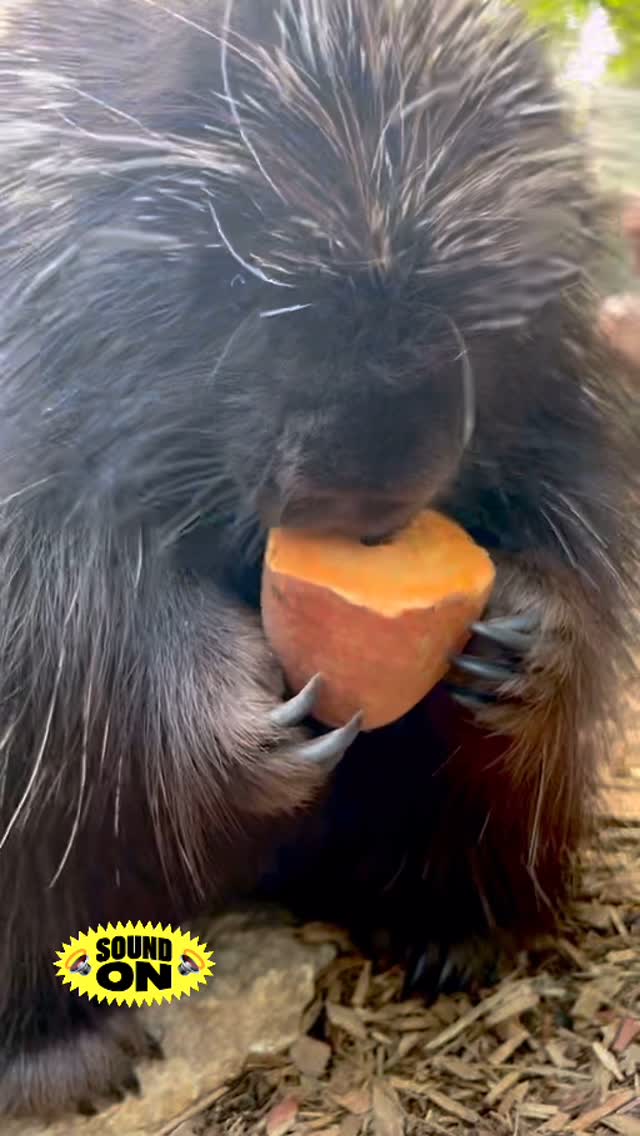
In Pennsylvania, a fascinating creature munches its way into our attention—the second largest rodent in the state, often caught crunching on a sweet potato. This behavior, while simple on the surface, opens a window into the lives of these animals, revealing their dietary preferences, ecological roles, and the broader significance of their conservation.
Identifying this rodent begins with understanding its place in Pennsylvania’s natural hierarchy. The groundhog, or woodchuck, takes the title of the second largest rodent in the state. Known scientifically as Marmota monax, these creatures play a vital role in local ecosystems. Their burrowing activities aerate the soil and help with nutrient cycling, supporting plant growth and maintaining soil health.
Groundhogs are herbivorous, relying heavily on a diet that includes a variety of leaves, flowers, and grasses. Sweet potatoes, a nutrient-rich tuber, offer them carbohydrates for energy and fiber for digestion. Observing a groundhog crunch on a sweet potato provides insight into its dietary spectrum, showcasing its adaptability in selecting food sources based on seasonal availability.
The role of groundhogs extends beyond their diet. They serve as both prey and predator, contributing to the balance of their habitat. By consuming diverse plant matter, they control vegetation growth, indirectly supporting other wildlife. As prey, they sustain predators such as foxes, hawks, and eagles, maintaining a crucial link in the food chain.
Conservation of Pennsylvania’s rodent population is crucial for preserving ecological balance. Groundhogs, with their burrowing behavior, impact the landscape significantly. Their tunnels, although sometimes considered a nuisance, prevent soil compaction and flooding, enhancing overall land health. Encouraging their presence through conservation measures aids in maintaining healthy ecosystems.
Sound plays an intriguing role in rodent behavior and communication. Groundhogs, like many other rodents, use vocalizations to express alarm, communicate, and interact socially. Listening to the crunch of a sweet potato, amplified for educational purposes, demonstrates their sensory engagement with the environment. This auditory aspect underscores their reliance on sound cues in navigating their world.
The conservation challenges for maintaining healthy rodent populations in Pennsylvania are multifaceted. Urban expansion and agriculture often limit suitable habitats, leading to potential declines. Efforts to protect these areas through wildlife management and habitat restoration are vital. Public education and awareness about the ecological contributions of rodents can foster a more accepting attitude and reduce human-wildlife conflicts.
Implementing conservation strategies requires collaboration among government bodies, environmental organizations, and local communities. These efforts, focusing on habitat preservation and sustainable human development, ensure that the ecological roles of rodents like the groundhog continue to benefit Pennsylvania’s natural environments.
Understanding Pennsylvania’s second largest rodent eating a sweet potato might seem trivial, yet it offers rich insights into biodiversity and the complexity of ecosystems. By appreciating their ecological significance and promoting conservation efforts, we can ensure these animals thrive for generations to come.
*****
Source Description
🔊 Sound on for Pennsylvania’s 2nd largest rodent crunching away on a sweet potato! 🍠
🎥: Jacqui, Naturalist
