Overview

The Black-naped Oriole (Oriolus chinensis) is a vibrant bird known for its striking yellow plumage and distinct black nape and eye mask, which lends the species its name. Found across a wide range in Asia, from the Indian subcontinent through Southeast Asia to parts of East Asia, this bird is a standout sight in its native habitats. It prefers open woodland, gardens, and groves, where it is often seen foraging for fruits, nectar, and insects. The musical calls and songs of the Black-naped Oriole are as captivating as their appearance, making it a beloved feature of the landscapes they inhabit.


This species exhibits some migratory behavior, with populations in the northern parts of its range moving southwards during the winter. Despite the pressures of habitat loss in certain areas, the Black-naped Oriole benefits from a broad habitat tolerance, allowing it to thrive in natural and modified landscapes. It is often found in mangroves, plantations, and urban areas with tall trees. The Black-naped Oriole’s adaptability to different environments has been a key factor in the species’ overall resilience.


The conservation status of the Black-naped Oriole is currently of lesser concern, thanks in part to its wide distribution and adaptability to human-altered landscapes. However, ongoing monitoring of population trends is essential, particularly as deforestation and habitat modification affect many areas within its range. Conservation efforts focusing on preserving large tracts of forest and promoting biodiversity in agricultural and urban areas can help ensure the Black-naped Oriole remains a common and thriving sight across its range.

Taxonomy

Kingdom
Phylum
Class
Family
Genus
Type

Physical Description:

The Black-naped Oriole is easily identifiable by its bright yellow or golden-yellow body, contrasting sharply with its black nape and eye-line that extends from the beak through the eyes to the sides of the neck. Adult males and females are similar in appearance, though juveniles display a more muted yellow coloration with streaked underparts. The wings and tail are yellow with black flight feathers, visible in flight and add to the bird’s striking appearance.

The size of the Black-naped Oriole makes it one of the larger species within the Oriolidae family, contributing to its visibility and the ease with which it can be identified even from a distance. The robust body, strong wings, and relatively long tail enable it to maneuver through its habitat with agility, whether flying between trees in search of food or evading predators. The bird’s physical adaptations, including its sharp beak, are perfectly suited to its diet, allowing it to feed on various fruits, nectar, and insects equally efficiently.

Lifespan: Wild: Unknown || Captivity: Unknown

Weight: Male & Female: 2.8-3.5 oz (80-100 grams)

Length: Male & Female: 9.4-10.6 in (24-27 cm)

Wingspan: Male & Female: 9.4-10.6 in (24-27 cm)

Native Habitat:

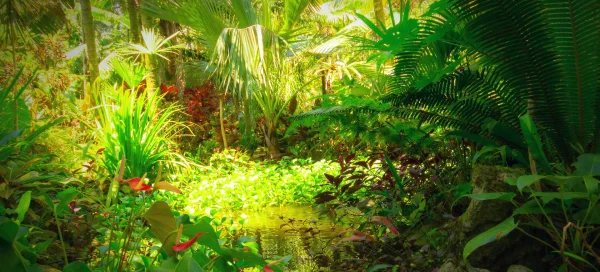
The Black-naped Oriole occupies a diverse range of habitats across its extensive geographical range. It is found in forests, woodland edges, mangroves, plantations, and urban areas with large trees. The species’ preference for open and semi-open landscapes allows it to exploit various ecosystems, from tropical rainforests to temperate regions with deciduous trees.

The adaptability of the Black-naped Oriole to various habitats is a key factor in its wide distribution. It can thrive in pristine natural environments and human-modified landscapes if suitable nesting sites and food sources are available. This flexibility has enabled the species to maintain stable populations in many areas, even as it faces habitat changes and pressures from human activity.

Climate Zones:
Biogeographical Realms:
Continents:
Diet:

Diet & Feeding Habits:

The Black-naped Oriole is an omnivorous bird that eats various fruits, berries, nectar, and insects. Its highly adaptable feeding behavior allows it to take advantage of seasonal food sources, from raiding orchards for ripe fruits to catching insects in midair. The bird’s strong beak is perfectly adapted for tearing fruit flesh and seizing insects, demonstrating the species’ versatility in foraging.

In addition to its natural diet, the Black-naped Oriole has been known to visit gardens and cultivated areas to feed on introduced fruit species, demonstrating its ability to adapt to human-altered landscapes. This adaptability helps the oriole thrive in a range of environments and makes it an important seed disperser and pollinator in its ecosystem. Conservation of its natural habitats and mindful landscaping in urban and suburban areas can support the Black-naped Oriole’s feeding habits and contribute to its conservation.

Mating Behavior:

Mating Description:

The Black-naped Oriole’s mating behavior is characterized by vocal displays, with males singing melodious songs to attract females and establish territories. These songs play a crucial role in the mating ritual, serving as a means of communication between potential mates and a deterrent to rival males. The breeding season varies across the species’ range, generally coinciding with abundant food resources, which is critical for raising offspring.

Nest building is a cooperative effort, with both males and females participating in constructing the nest, which is typically placed high in a tree. The nest’s location is chosen for its strategic advantage in avoiding predators and providing a safe environment for the eggs and chicks. The female lays a clutch of 2-3 eggs, which she incubates while the male provides food and protection. The care of the young involves both parents, who feed and defend their chicks until they are ready to fledge.

Reproduction Season:

Year-round
Birth Type:

Pregnancy Duration:

~14 Days (Incubation)

Female Name:

Female

Male Name:

Male

Baby Name:

Chick

Social Structure Description:

The Black-naped Oriole is a social species, with individuals often observed in pairs or small family groups, especially outside the breeding season. These birds are territorial during the breeding season, with males actively defending their territories from rivals. Social interactions include a range of vocalizations used for communication, including calls and songs that strengthen bonds between mates and signal the presence of threats.

The species’ ability to adapt to various social structures, from solitary living to forming small groups, demonstrates its flexibility in navigating the challenges of its environment. Conservation of the Black-naped Oriole’s habitats supports not only the biological needs of the species but also the complex social interactions that are vital for its reproductive success and survival.

Groups:

Pitch
Conservation Status:
Population Trend:
Wild: Unknown || Captivity: Unknown

The Black-naped Oriole benefits from a wide distribution and a generalist approach to habitat use, which has enabled it to maintain stable populations in many parts of its range. However, in areas where deforestation and habitat degradation are prevalent, populations have experienced declines. The species’ adaptability to modified landscapes has mitigated some of these impacts, allowing it to persist even in urban and agricultural areas where suitable habitat conditions exist.

Conservation efforts to preserve large tracts of forest and promote biodiversity in human-dominated landscapes are key to supporting the Black-napped Oriole populations. Initiatives that focus on reforestation, habitat restoration, and the creation of green corridors can help ensure the species’ future. Public education and community involvement in conservation projects are also critical for fostering coexistence between humans and wildlife, benefiting the Black-napped Oriole and countless other species.

Population Threats:

The primary threat to the Black-naped Oriole is habitat loss due to deforestation, urbanization, and agricultural expansion. These activities lead to the fragmentation of habitats, making it difficult for the species to find suitable nesting sites and food sources. Illegal trapping for the pet trade also poses a risk to some populations, particularly in areas where the bird’s striking appearance makes it a target for capture.

Climate change is an emerging threat that could impact the Black-naped Oriole’s habitats and food availability, affecting breeding success and survival rates. Conservation strategies that address these threats are crucial for the species’ long-term viability, requiring coordinated efforts from government agencies, conservation organizations, and local communities.

Conservation Efforts:

Conservation measures for the Black-naped Oriole include habitat protection and restoration, establishing protected areas, and implementing sustainable land-use practices. Efforts to reduce habitat fragmentation by creating ecological corridors are important for maintaining genetic diversity and population connectivity. Public awareness campaigns aimed at reducing the demand for wild-caught birds and promoting responsible pet ownership can help mitigate the impact of the pet trade.

Research and monitoring are essential components of conservation efforts, providing valuable data on population trends, habitat requirements, and the effectiveness of conservation interventions. Collaborative projects that engage local communities in conservation actions can enhance the success of these efforts, ensuring the Black-naped Oriole continues to thrive across its extensive range.

Additional Resources:

Fun Facts

  • The Black-naped Oriole’s striking yellow and black plumage makes it one of the most recognizable birds in its range.
  • It has various melodious calls and songs, which can be heard over long distances, making it a prominent voice in its habitat.
  • This species can mimic the calls of other bird species, which adds to its vocalization repertoire.
  • The Black-naped Oriole is highly adaptable and can thrive in various habitats, from dense forests to urban parks and gardens.
  • It plays a significant role in its ecosystem as a seed disperser and insect insect predator, contributing to its habitat’s health.
  • Juvenile Black-naped Orioles undergo a significant color change as they mature, transitioning from a duller, streaked plumage to adults’ vibrant yellow and black.
  • The bird’s nest is a meticulously constructed cup of plant fibers and twigs, often suspended from a tree branch. It showcases the species’ intricate nesting behavior.
  • In some cultures, the Black-naped Oriole symbolizes luck and happiness and is celebrated for its beautiful appearance and melodious song.
  • Despite ongoing habitat challenges, the species’ ability to adapt to human-altered environments has helped it maintain stable populations in many areas.
  • Conservation efforts that protect and restore the Black-naped Oriole’s habitats have the added benefit of supporting a wide range of other species, highlighting the interconnectedness of ecosystems.