Overview

The Clown Featherback is a nocturnal freshwater fish native to Southeast Asia. It is recognized for its elongated body and distinctive feather-like dorsal fin. It primarily inhabits rivers, swamps, and flooded forests, relying on its acute lateral line system to navigate and hunt in low-light conditions. This species is popular in the aquarium trade due to its unique appearance and swimming style, though it grows too large for most home aquariums. Its natural behavior includes hiding in submerged vegetation or crevices during the day and actively foraging at night.

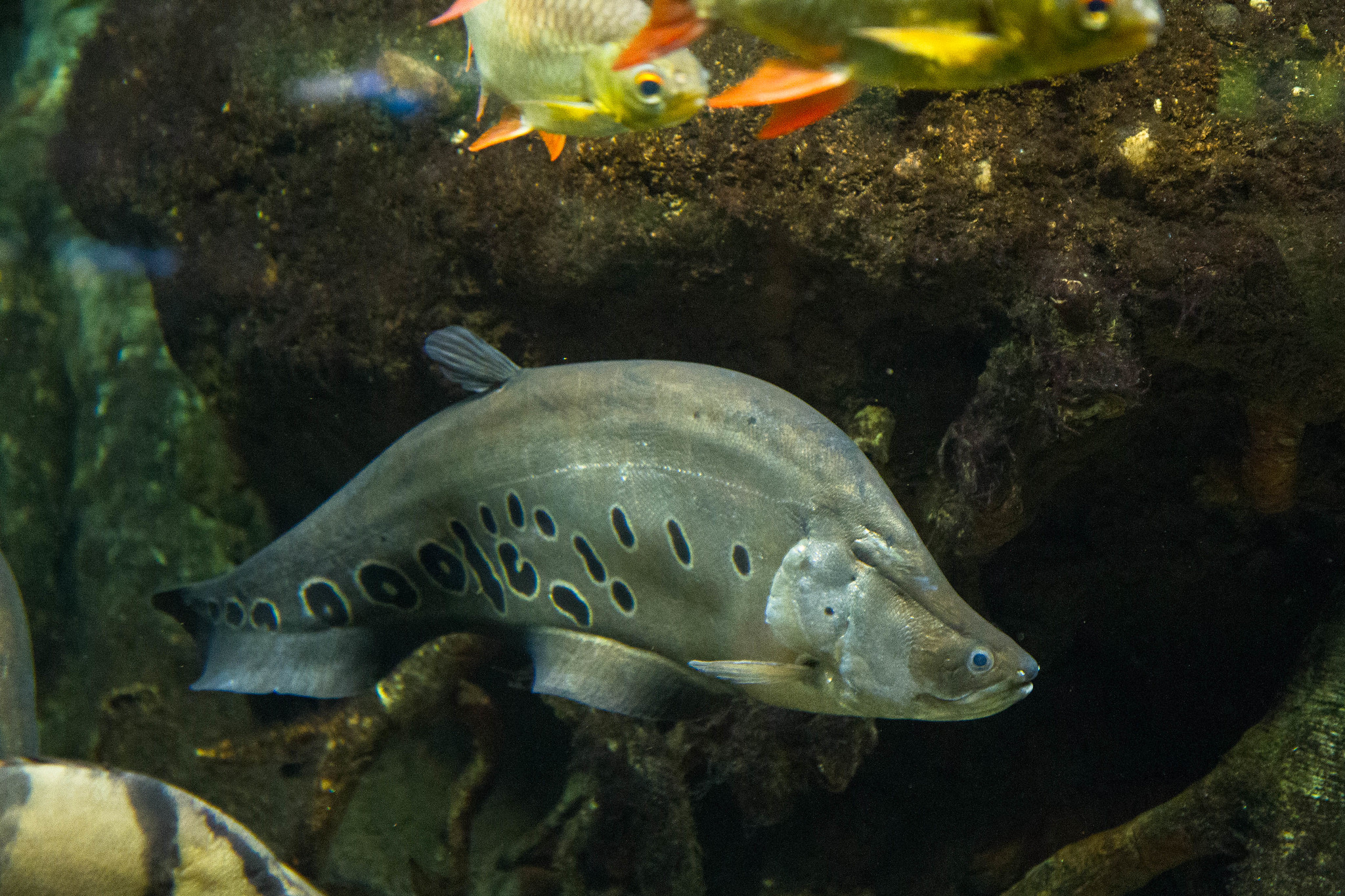
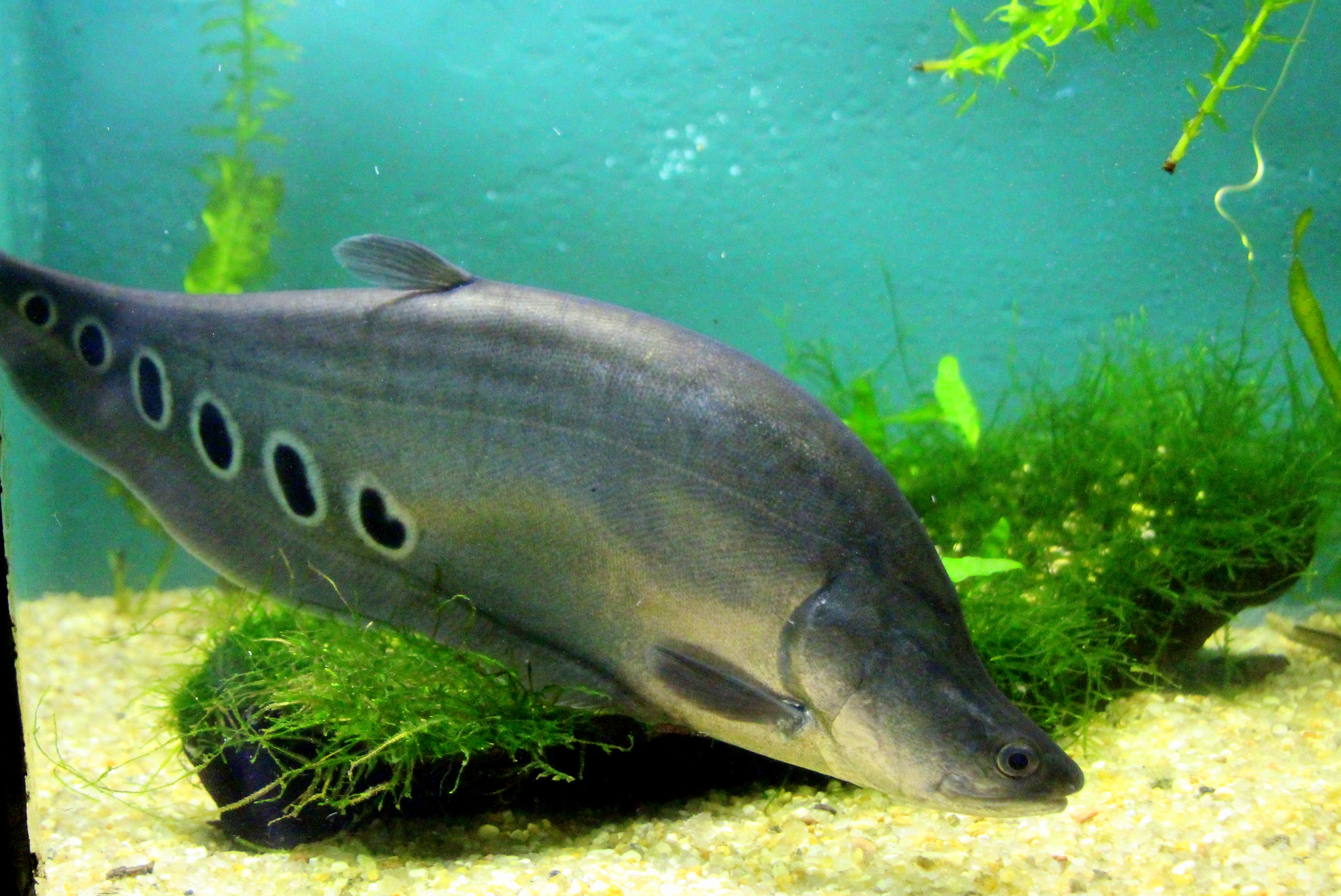
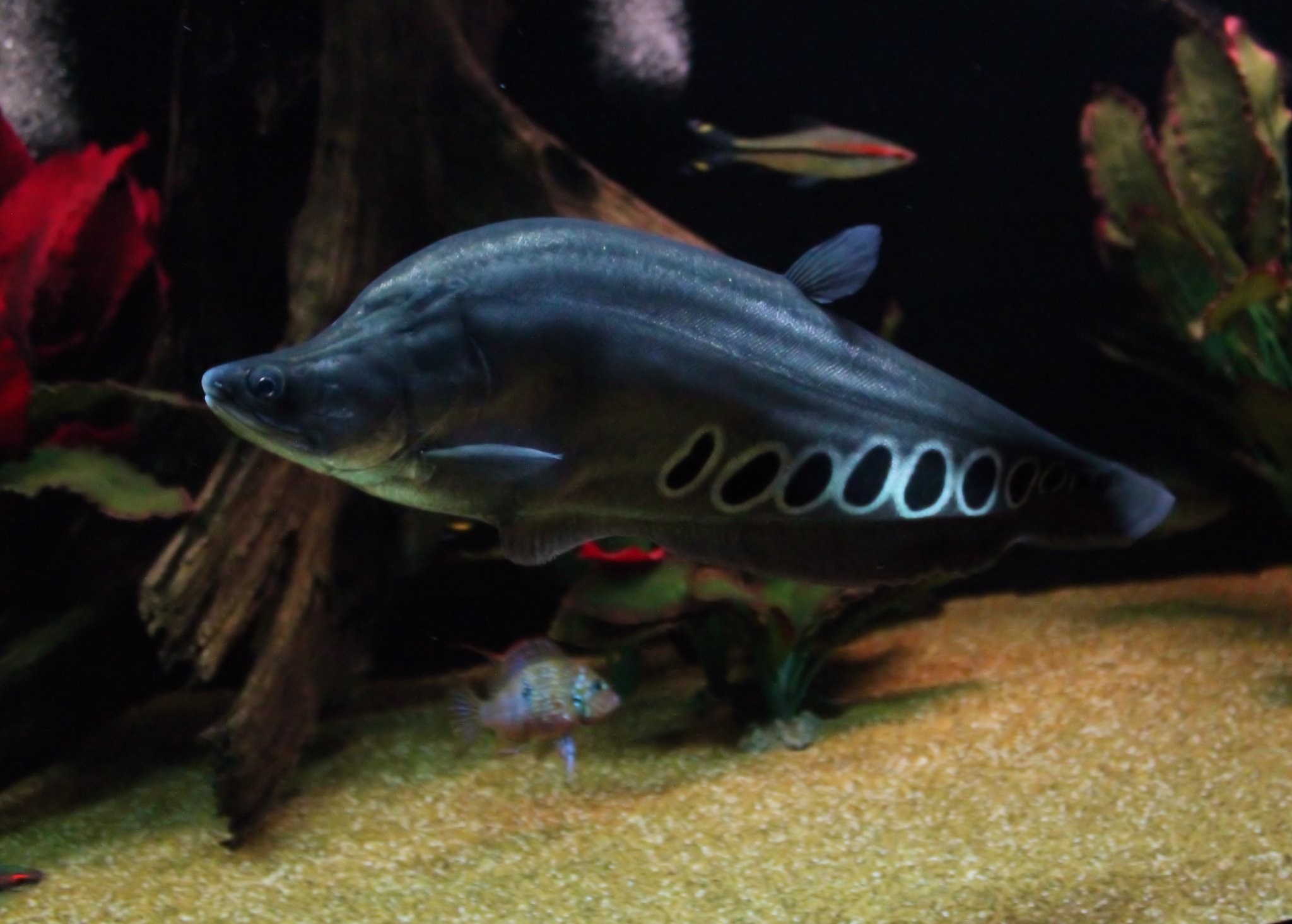
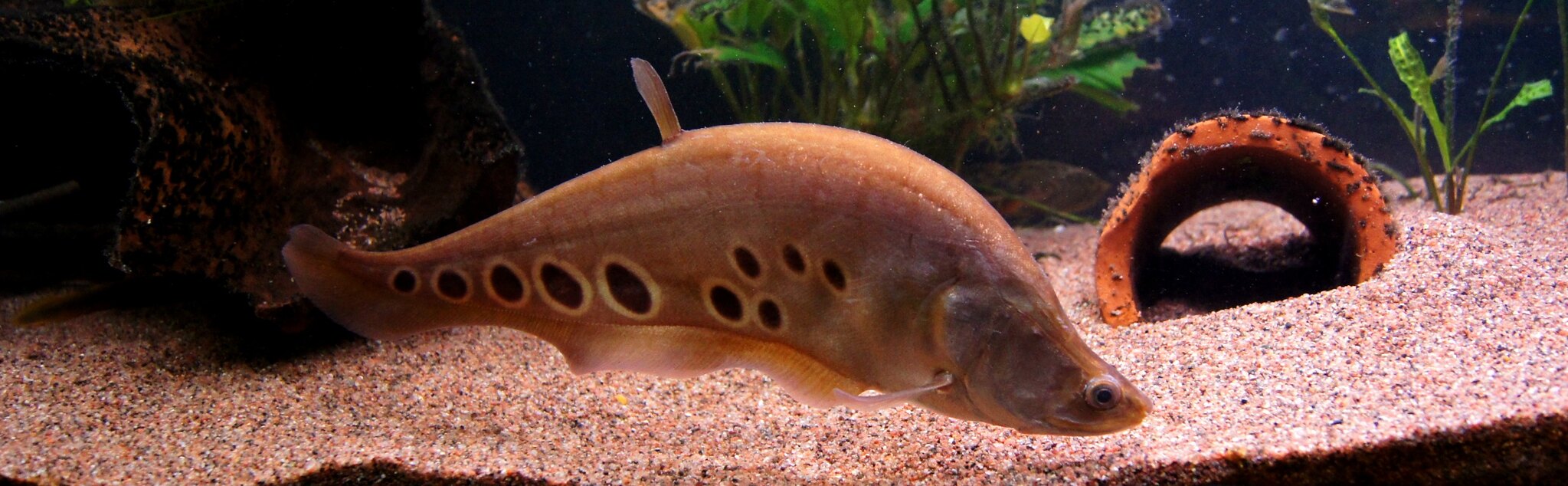
The Clown Featherback displays a unique method of locomotion, using undulating movements of its long anal fin, which allows it to swim forward and backward with precision. It exhibits a silvery to gray body coloration with several rounded black spots ringed in white along its posterior half, contributing to its “clown” nickname. Despite being generally solitary in the wild, juveniles can sometimes be found in small groups. This species can breathe atmospheric air using a modified swim bladder to survive in oxygen-poor waters.

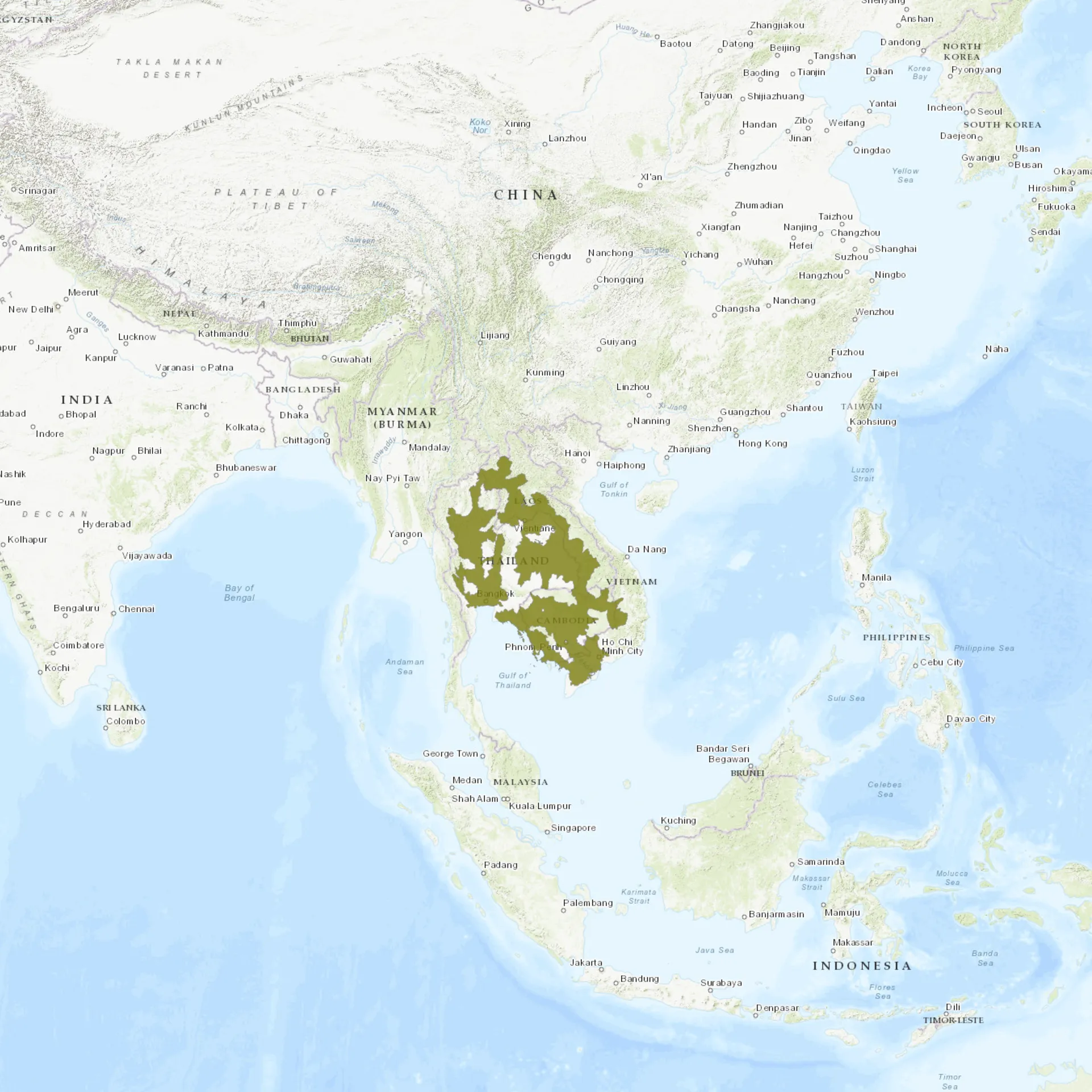
It is often found in slow-moving or stagnant waters with dense vegetation and muddy substrates, including floodplains and backwaters. Water levels influence seasonal migrations, and during the wet season, the fish disperse into flooded forests and agricultural lands. In many parts of its range, it is caught for food, particularly in rural communities where it is valued as a source of protein. However, overharvesting, habitat degradation, and water pollution have contributed to population declines in some areas.

Taxonomy

Kingdom
Phylum
Family
Genus
Species
Type

Physical Description:

The Clown Featherback has a long, laterally compressed body with a prominent, ribbon-like anal fin that runs almost the entire length of its underside. Its coloration is generally silver-gray, becoming darker on the back and lighter on the belly, with a series of large, rounded black spots bordered in white along the lower half of the body near the tail. It lacks ventral fins, and its pectoral fins are small, positioned near the gill openings. The dorsal fin is reduced to a small feather-like extension, contributing to its name.

Juveniles often display more distinct and numerous spots, which may fade or reduce in number as the fish matures. The body is scaleless and smooth, enhancing its hydrodynamic form for silent and stealthy swimming in dense aquatic vegetation. The fish has a large mouth with an upturned jaw, adapted for catching live prey such as fish and insects. Adults have poor eyesight but compensate with highly sensitive mechanoreceptors that detect movement and vibrations in water.

Lifespan: Wild: ~10 Years || Captivity: ~12 Years

Weight: Male: 3.3–6.6 lbs (1.5–3 kg) || Female: 2.2–4.4 lbs (1–2 kg)

Length: Male: 30–39 in (76–100 cm) || Female: 24–31 in (61–79 cm)

Top Speed: Unknown

Native Habitat:

Clown Featherbacks inhabit freshwater environments such as rivers, canals, ponds, and swamps with slow-moving or still water. These habitats typically have soft, muddy bottoms and are often heavily vegetated, providing cover and ambush points. They are particularly associated with floodplain systems where seasonal inundation creates expansive feeding and breeding areas. Their ability to breathe air allows them to survive in oxygen-depleted conditions, giving them an advantage in stagnant or polluted waters.

During the dry season, they retreat to permanent water bodies, where they can survive until seasonal flooding returns. During daylight hours, submerged roots, logs, and aquatic vegetation serve as preferred shelter sites. Juvenile Clown Featherbacks prefer shallower areas with dense plant cover for protection from predators. Human water flow alterations and wetland conversion have significantly affected their natural habitat availability.

Climate Zones:
Biogeographical Realms:
Continents:
Diet:

Diet & Feeding Habits:

The Clown Featherback is a carnivorous predator that feeds primarily at night, relying on stealth and sensory perception rather than sight. Its natural diet includes small fish, aquatic insects, crustaceans, and worms, which it captures with swift suction feeding. The fish often ambushes prey by remaining motionless and then rapidly striking with a sudden forward lunge. Its large mouth and flexible jaw structure enable it to consume relatively large prey items.

In captivity, Clown Featherbacks can be trained to accept a variety of prepared foods, including pellets, frozen fish, and shrimp, though a protein-rich diet is essential for proper growth. Juveniles feed more actively during the day but gradually shift to nocturnal feeding patterns as they mature. Overfeeding in aquariums can lead to obesity and health issues, as they are opportunistic feeders. Their feeding strategy involves active pursuit and ambush, depending on prey type and habitat structure.

Mating Behavior:

Mating Description:

Clown Featherbacks reach sexual maturity around 1–2 years of age, with breeding typically triggered by seasonal flooding and increases in water temperature. Mating behaviors are not fully documented in the wild, but captive observations suggest that pairs engage in courtship rituals that include synchronized swimming and fin displays. Spawning occurs in dense vegetation or hidden crevices where eggs are laid and fertilized externally. The male often guards the eggs until hatching, displaying protective behavior over the nest site.

Depending on water temperature, eggs hatch within several days, and fry can free swim shortly afterward. The parents do not provide extended post-hatching care beyond egg guarding. Spawning is believed to be seasonal, correlating with the wet season and availability of nutrient-rich habitats. Controlled temperature and water levels in captivity can stimulate reproduction outside of natural seasons.

Reproduction Season:

Year-round
Birth Type:

Pregnancy Duration:

~7 Days (Incubation)

Female Name:

Female

Male Name:

Male

Baby Name:

Fry

Social Structure Description:

Adult Clown Featherbacks are primarily solitary in the wild and establish individual territories in submerged vegetation or crevices. They are highly territorial and may display aggression toward conspecifics or other similarly sized fish. Juveniles, however, are sometimes observed in small loose groups in protected shallow zones. Social interactions are limited outside breeding, though individuals may communicate via low-frequency sounds or fin displays.

Aggression can be minimized in captivity by providing sufficient space and visual barriers, but adult Clown Featherbacks still prefer isolation. They are mostly nocturnal and spend daylight hours hiding, emerging at night to forage. During breeding, temporary pair bonds may form, with males guarding eggs until hatching. The species does not exhibit long-term social bonding beyond reproductive interactions.

Groups:

School
Conservation Status:
Population Trend:
Wild: Unknown || Captivity: Unknown

Although the Clown Featherback is listed as Least Concern, localized populations have significantly declined due to intensive fishing and habitat fragmentation. It is still relatively common in areas with intact floodplain ecosystems, particularly in parts of Thailand and Cambodia. Its air-breathing ability makes it more resilient to poor water quality than other fish species. However, its presence in some regions is sustained primarily through artificial propagation and stocking.

The aquarium trade and aquaculture industry contribute to the maintenance of ex-situ populations, ensuring the species remains widely available despite wild declines. In countries like India and the Philippines, feral populations have been established due to accidental or intentional release. These non-native populations may thrive under favorable conditions but can disrupt local biodiversity. Conservationists have raised concerns about unsustainable wild harvest and the ecological effects of introductions.

Population Threats:

Primary threats to wild populations include overfishing, particularly during breeding seasons when fish are more vulnerable in shallow waters. Habitat loss due to dam construction, wetland drainage, and agricultural expansion has decreased spawning and feeding grounds. Pollution from pesticides, industrial waste, and sewage has degraded many of its natural habitats. Climate change-induced hydrological changes may alter flood patterns critical for breeding cycles.

Invasive populations in non-native regions threaten local aquatic species through predation and competition. Inappropriate aquarium releases have led to ecological imbalances, especially in warm regions such as Florida. Captive breeding does not fully alleviate pressure on wild populations, as demand for wild-caught individuals persists in some markets. Misidentification and lack of regulation in the ornamental fish trade contribute to unsustainable exploitation.

Conservation Efforts:

Conservation initiatives for the Clown Featherback include habitat restoration projects in the Mekong and Chao Phraya river basins. Some countries have implemented seasonal fishing bans to protect breeding populations during spawning periods. Although best practices vary in effectiveness, aquaculture programs have been developed to supply the market and reduce pressure on wild stocks. Environmental awareness campaigns aim to educate the public on responsible aquarium keeping and the dangers of invasive species.

Regulations on international trade are minimal, but local management strategies are emerging in key regions. Research into captive breeding and lifecycle management is ongoing to improve sustainability. Protected wetland areas within its native range serve as vital refuges for remaining wild populations. Collaboration among Southeast Asian nations is essential for the long-term conservation of the species and its habitat.

Additional Resources:

Fun Facts

  • Clown Featherbacks can breathe air using a specialized lung-like organ to survive in oxygen-poor waters.
  • They can make grunting sounds, thought to be used for communication.
  • In the aquarium trade, they are prized for their unique body shape and striking coloration.
  • Their elongated body and continuous dorsal fin enable them to make sudden and agile movements in the water.
  • Clown Featherbacks can eat prey nearly as large as themselves due to their expansive mouths.
  • They are known to jump out of the water to catch low-flying insects.
  • The species is often mistaken for an eel due to its elongated body but is not closely related to true eels.
  • In some regions, Clown Featherbacks are considered a delicacy and are fished for food.
  • They are one of the few fish species that can swim backward.
  • The species has a strong resilience to changes in water quality, making them a hardy species in fluctuating freshwater environments.