Overview
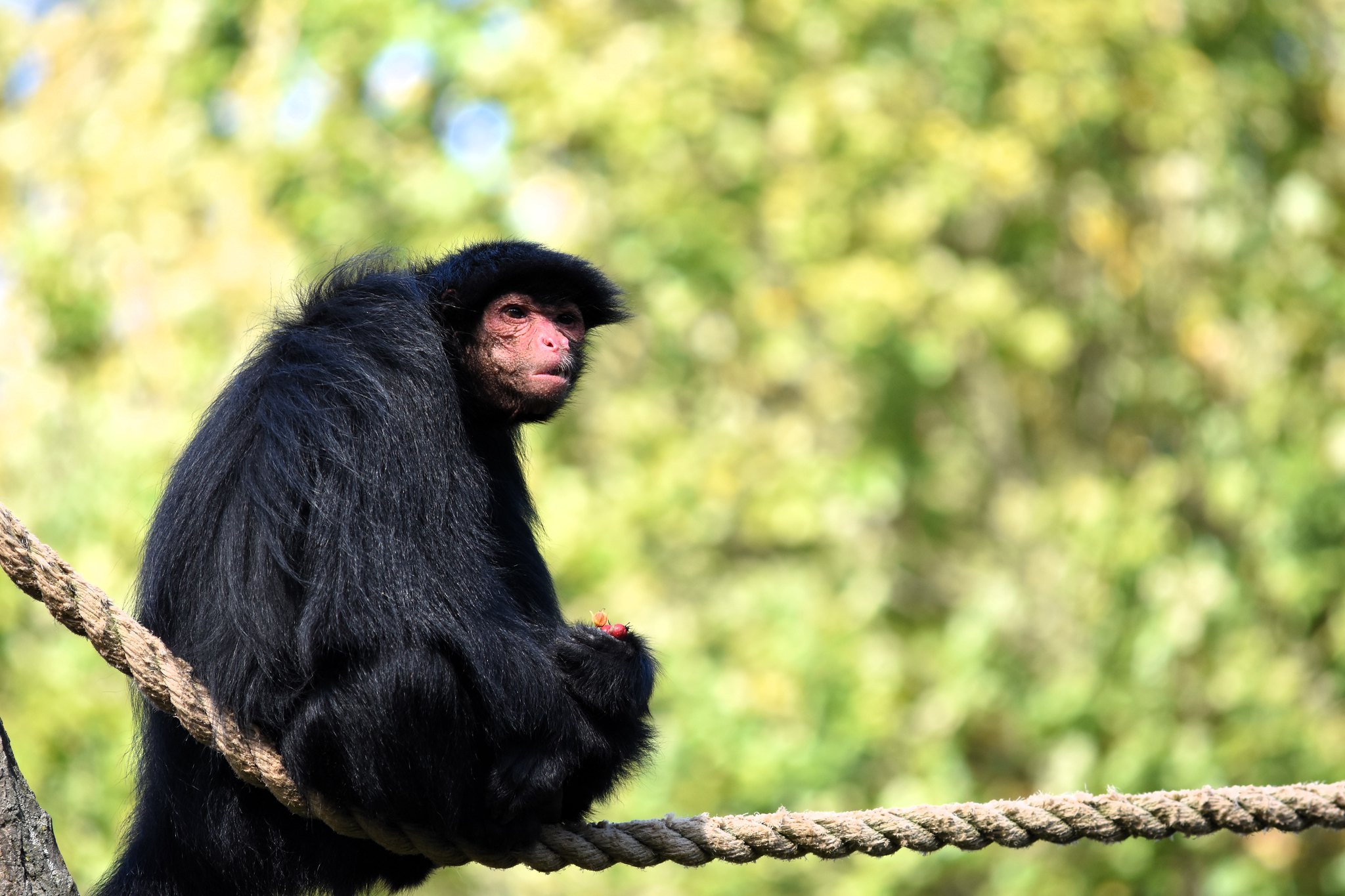
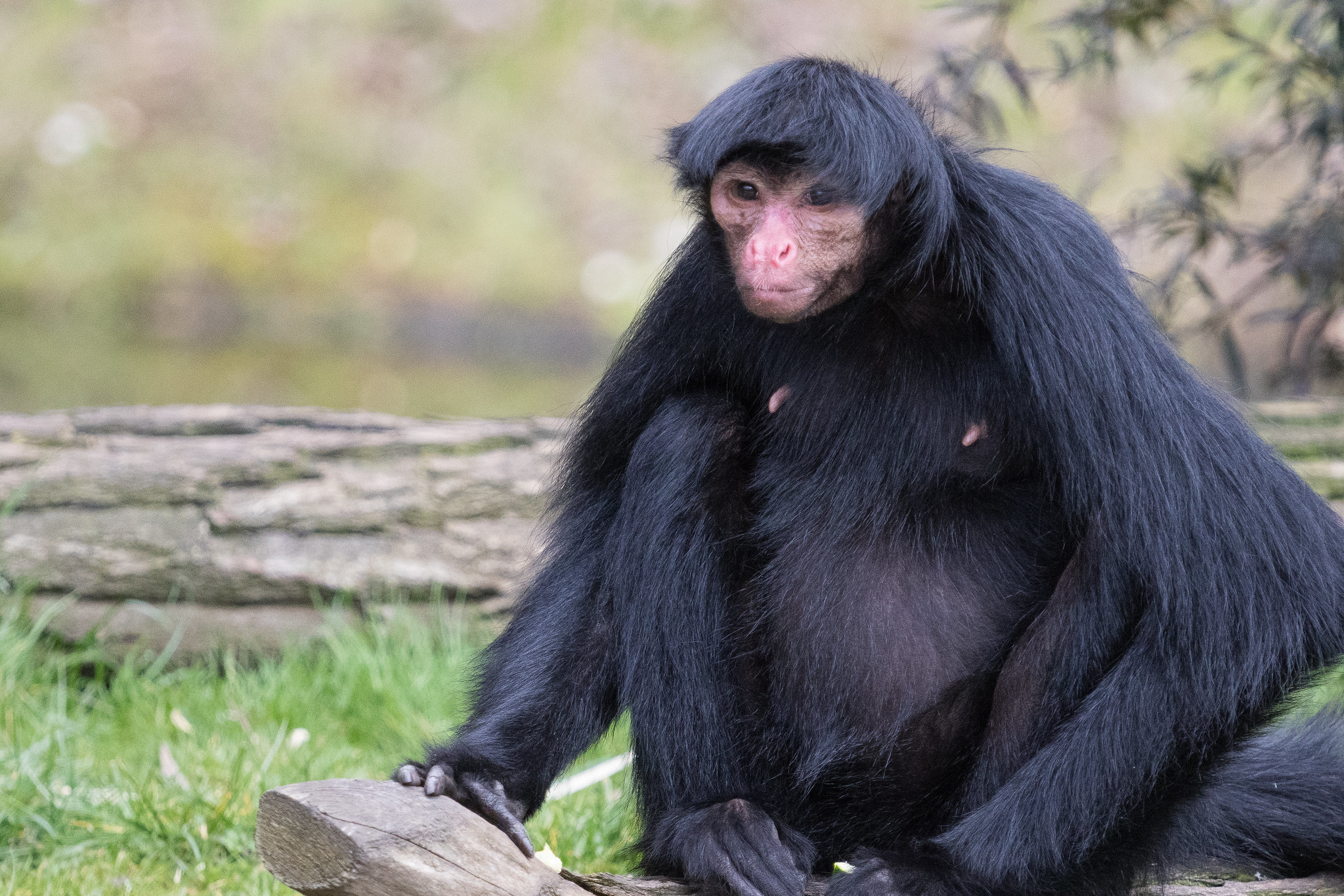
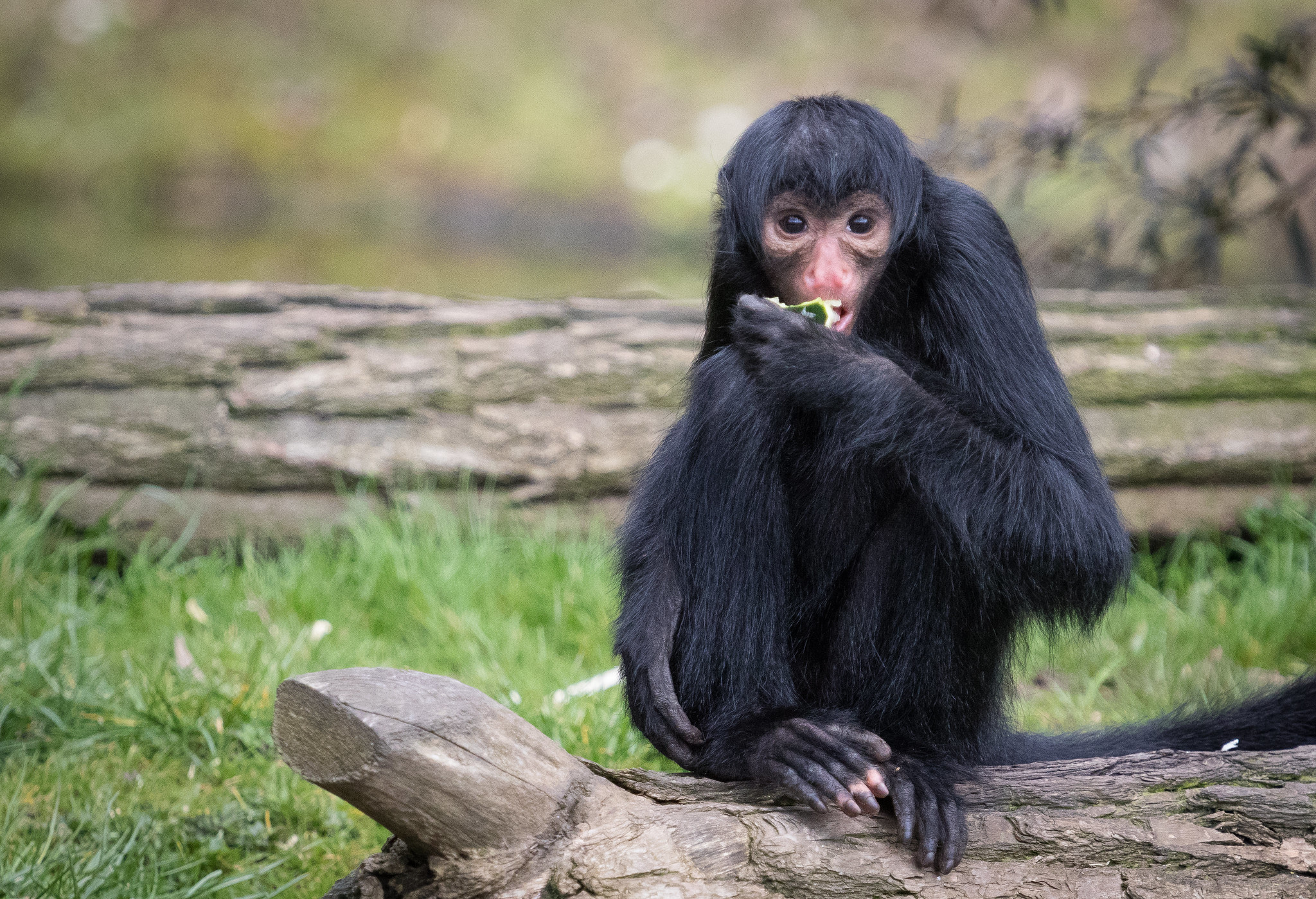
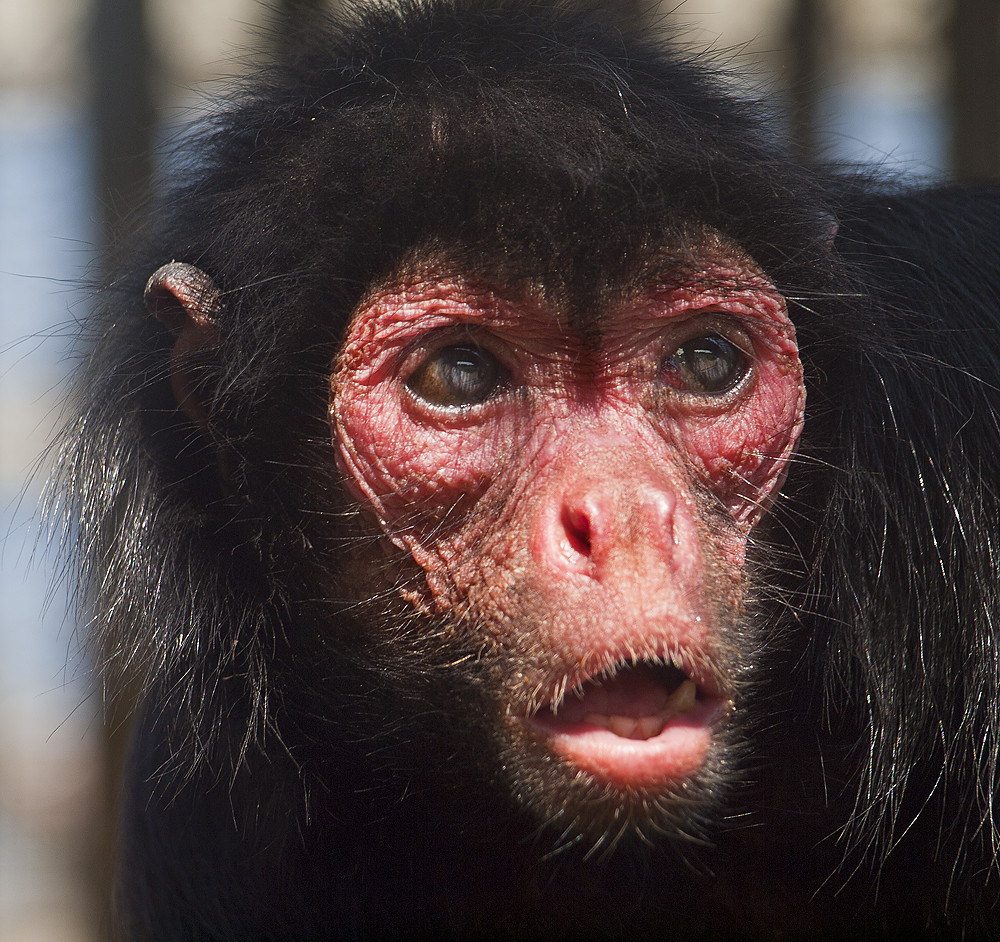
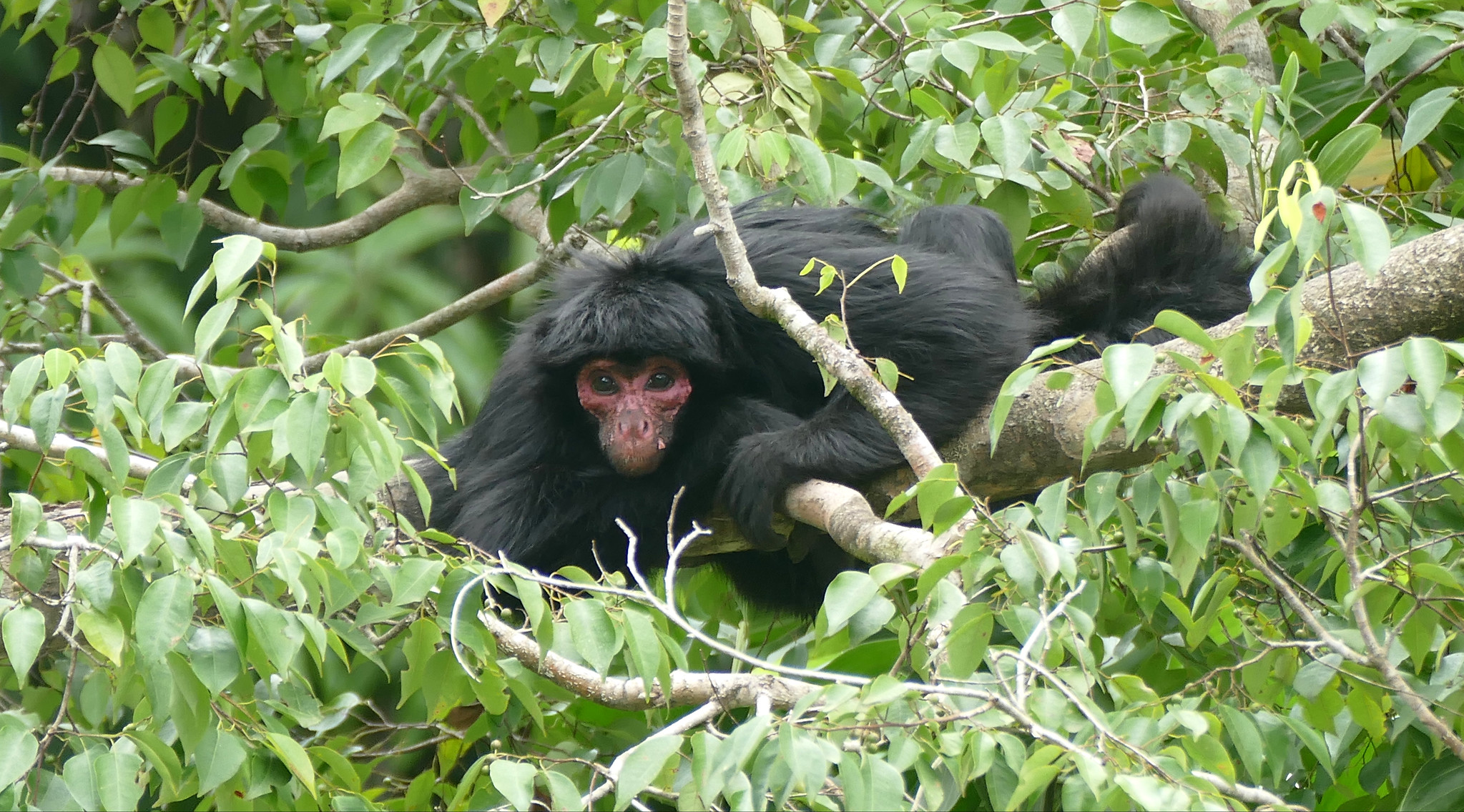
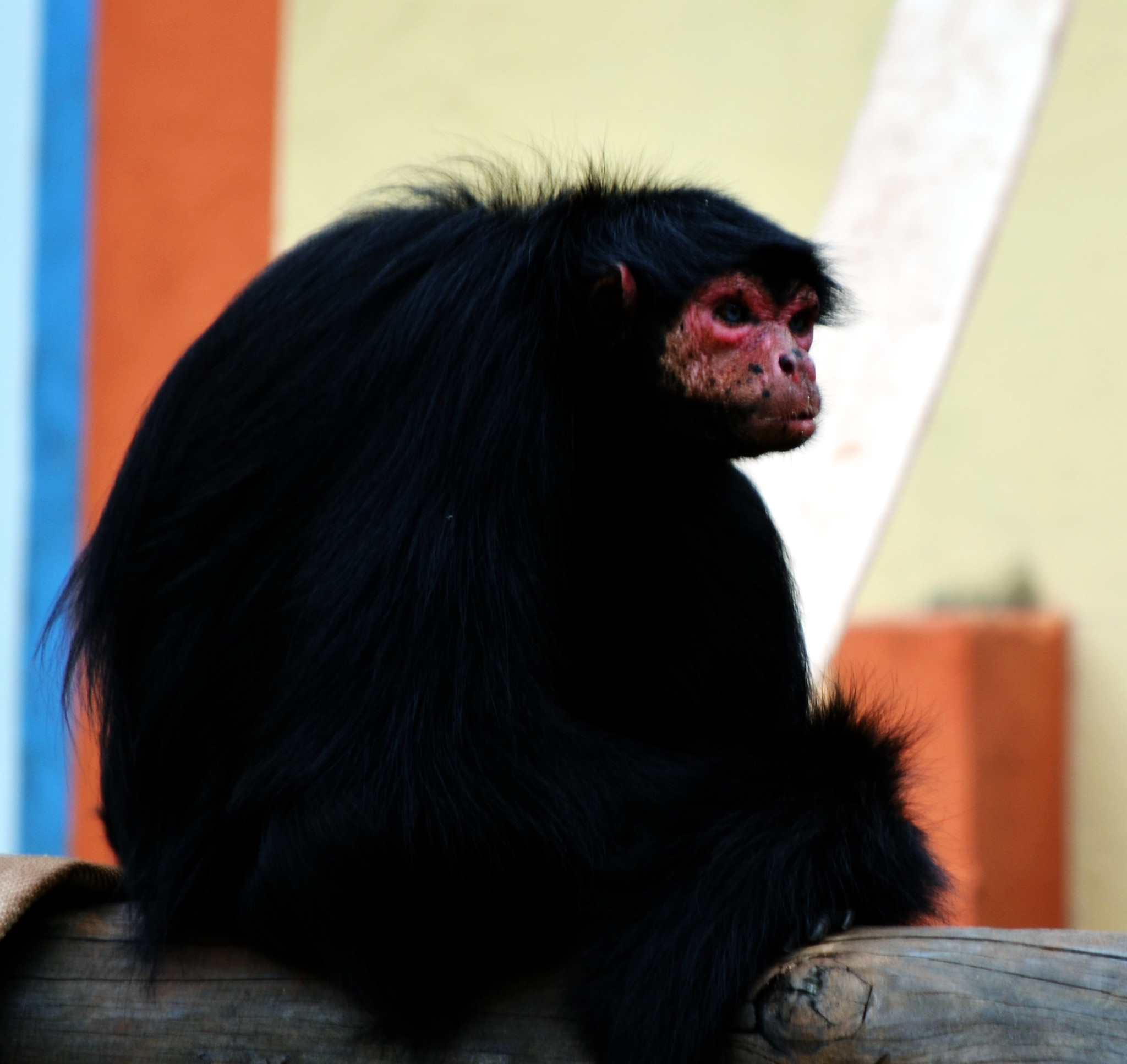
The Red-faced Black Spider Monkey (Ateles paniscus) is a large, highly arboreal primate native to the tropical rainforests of northern South America. This species is easily recognized by its glossy black fur and distinctive naked red face, which becomes brighter with age. Red-faced Black Spider Monkeys are known for their exceptional agility, using their long limbs and prehensile tail to move rapidly through the forest canopy in search of fruit. Due to their reliance on large tracts of undisturbed forest and sensitivity to hunting, they are classified as Vulnerable by the IUCN.
These monkeys are highly social and live in fission-fusion societies, where group size and composition change frequently in response to fluctuations in food availability. They communicate through a range of vocalizations, including barks, whinnies, and screams, and also use visual signals and grooming to maintain bonds. Their diet primarily consists of ripe fruit, which makes them important seed dispersers in tropical ecosystems. Habitat fragmentation and hunting for bushmeat remain major threats to their survival across their range.
Red-faced Black Spider Monkeys have relatively slow reproductive rates, with females giving birth to a single infant approximately every 2–4 years. Infants cling to their mother’s belly for the first months of life before riding on her back as they grow. The species is diurnal, spending most of the day traveling, foraging, and resting in the upper canopy. They are considered an indicator species of healthy, mature forest due to their dependence on continuous canopy cover.
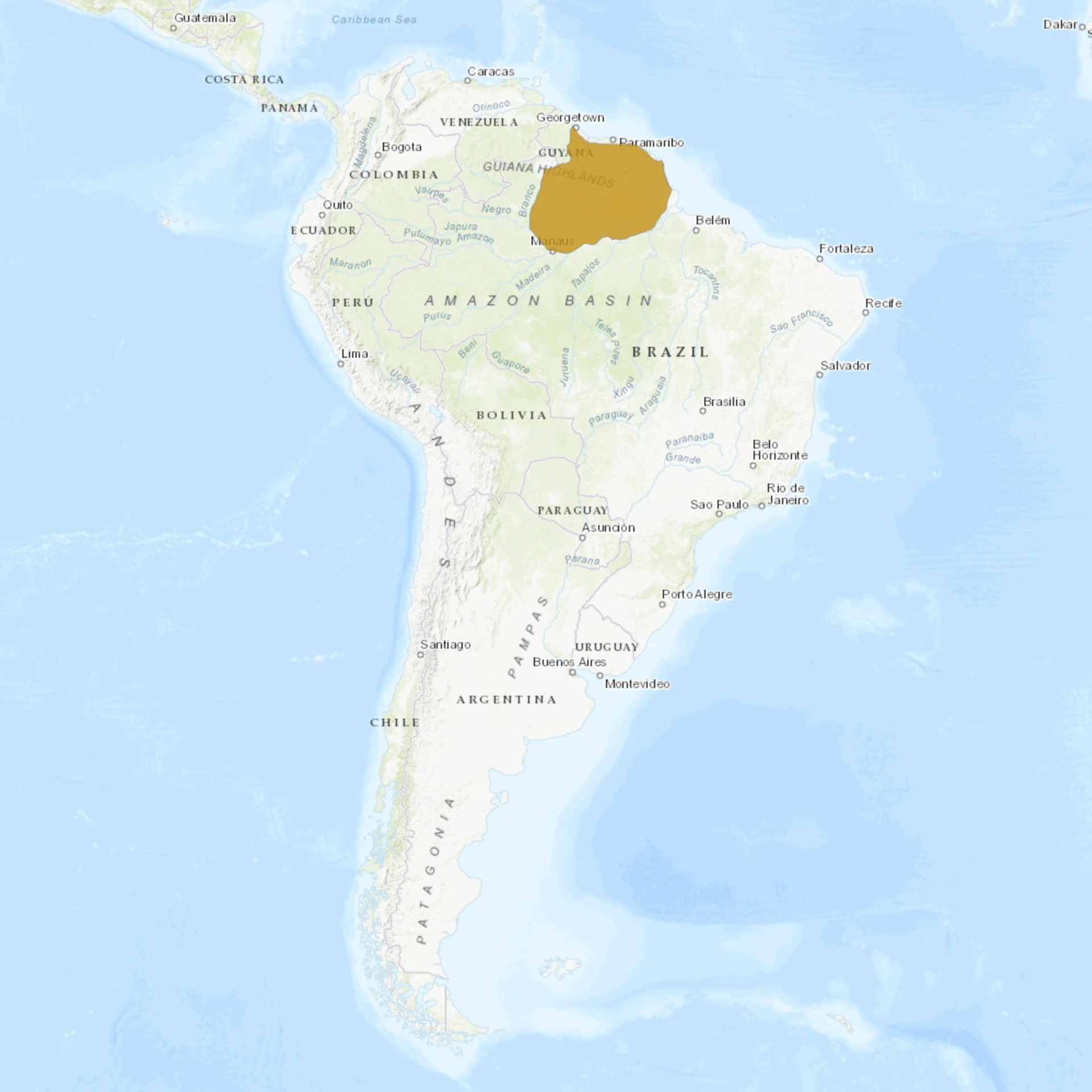
Current distribution:
Red-faced Black Spider Monkeys are found across northern South America, with the largest populations occurring in the Guiana Shield region, which spans Suriname, Guyana, French Guiana, and northern Brazil. Their range extends into southern Venezuela and eastward into parts of the Brazilian Amazon. Populations are generally patchy, reflecting patterns of habitat fragmentation and hunting intensity. In protected areas and remote forests, they can still be relatively common.
In regions near settlements and accessible logging concessions, the species has declined significantly due to hunting and habitat loss. Populations are often slow to recover after disturbance because of their low reproductive rates. Long-term studies have documented localized extirpation in some heavily impacted forests. Ongoing monitoring is crucial for assessing distribution trends and prioritizing conservation actions.

Physical Description:
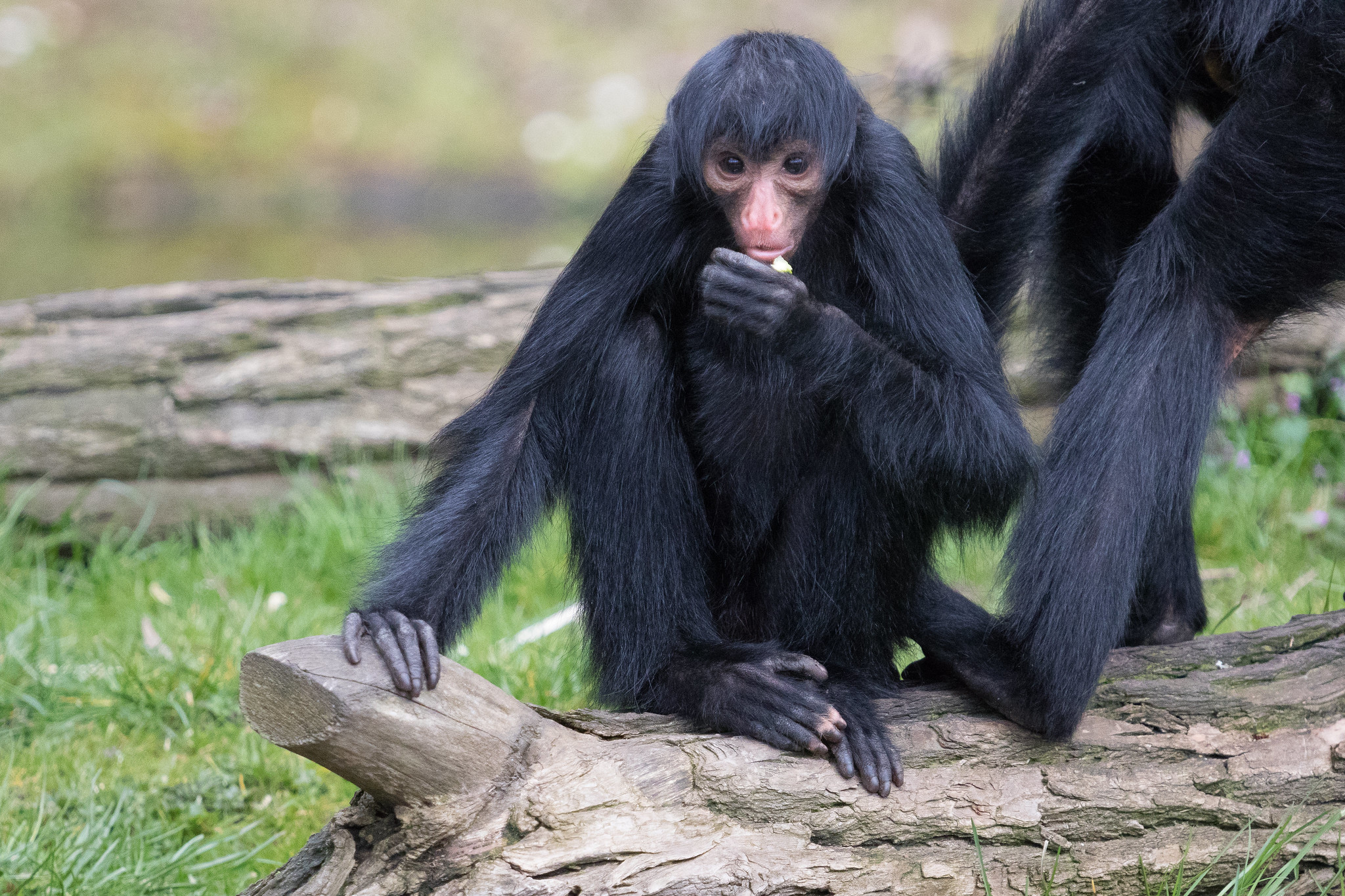
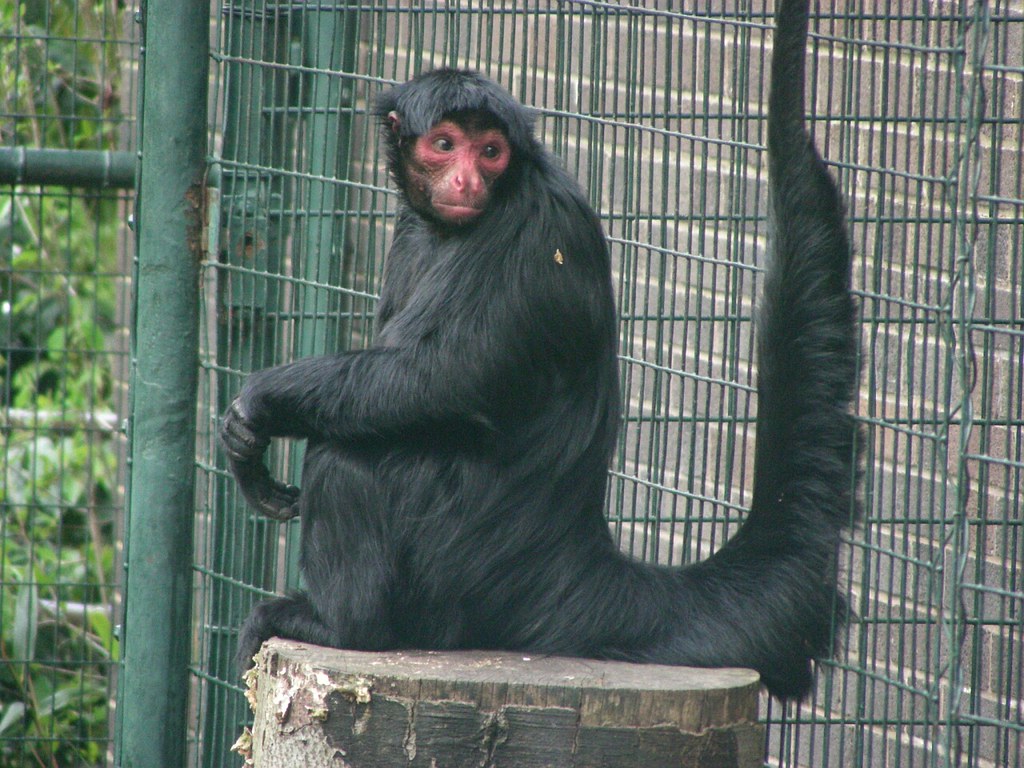
Red-faced Black Spider Monkeys have a slender body covered in dense, silky black fur that contrasts with their bare, reddish face. Their limbs are extremely long and thin, adapted for brachiation, with hook-like hands that lack a thumb to facilitate swinging. The prehensile tail is longer than the body and functions as a fifth limb, ending in a hairless underside for gripping branches securely. Adults have prominent, expressive faces with close-set eyes and small ears partly hidden by the surrounding fur.
Males and females are similar in size and coloration, although mature males may have slightly broader shoulders. Infants are born with pink faces and lighter fur that darkens over the first year of life. The long, narrow hands and curved fingers allow precise grasping of fruits and branches. Their build is highly specialized for life in the upper canopy, where they rarely descend to the ground.

Lifespan: Wild: ~25 Years || Captivity: ~40 Years

Weight: Male: 15–20 lbs (7–9 kg) || Female: 15–19 lbs (7–8.5 kg)

Length: Male: 16–24 in (41–61 cm) excluding tail || Female: 15–23 in (38–58 cm) excluding tail

Height: Male: 20–24 in (50–61 cm) || Female: 19–23 in (48–58 cm)

Top Speed: 20 mph (32 km/h)
Characteristic:
Native Habitat:
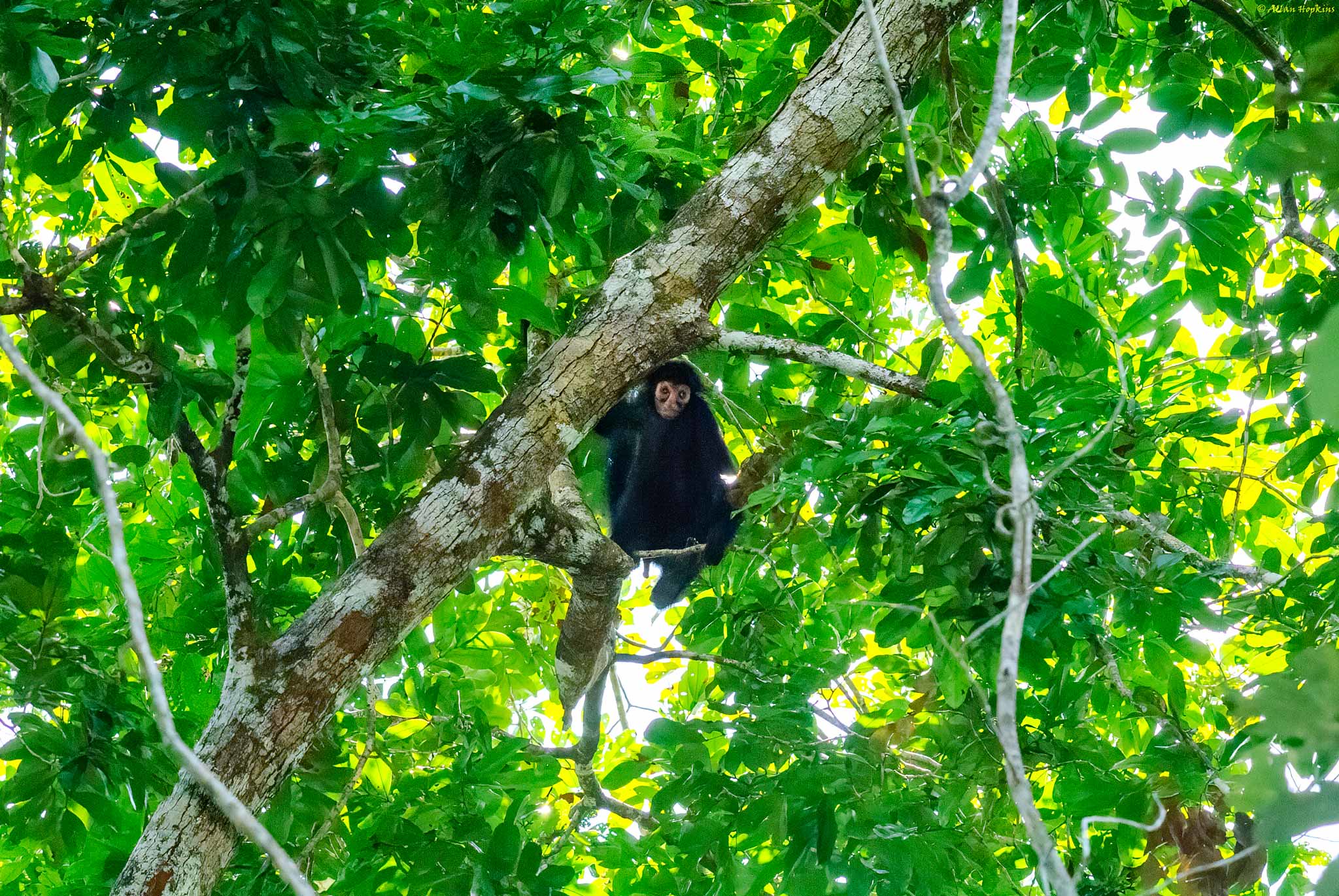
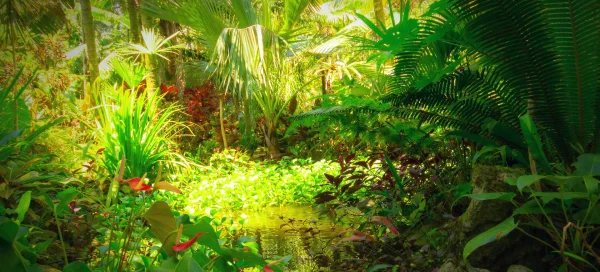
Red-faced Black Spider Monkeys inhabit mature tropical lowland and terra firme rainforests in the Guianas, northern Brazil, southern Venezuela, and eastern Colombia. They prefer continuous canopy forests with abundant tall trees that provide pathways for brachiation and access to a diverse range of fruit resources. These monkeys are almost entirely arboreal and are seldom seen on the ground except when crossing gaps or accessing mineral licks. Intact primary forest is essential for sustaining viable populations due to their specialized foraging and social behavior.
Home ranges can exceed 500 hectares, necessitating large, contiguous habitat blocks to ensure sufficient food availability. They rely heavily on emergent and canopy trees for resting, feeding, and protection from predators. Secondary and disturbed forests generally lack the diversity and density of fruiting trees needed to support stable populations. Riparian forests and gallery forests are also important habitats within their range.
Climate Zones:
Biomes:
WWF Biomes:
Biogeographical Realms:
Continents:
Diet:
Diet & Feeding Habits:
Red-faced Black Spider Monkeys are primarily frugivorous, consuming a diet consisting of more than 80% ripe fruits such as figs, berries, and drupes. They supplement their diet with young leaves, seeds, flowers, and occasionally insects or other small animal matter. Their specialized digestive system allows them to process large quantities of fruit pulp efficiently, extracting nutrients needed for their active lifestyle. Foraging is a social activity, and individuals often travel in subgroups to locate food patches across their extensive home ranges.
They possess a well-developed sense of smell and excellent spatial memory, which enables them to track fruiting trees over large areas. When food is scarce, they may consume more leaves and unripe fruits to meet energy requirements. Food sharing is occasionally observed between related individuals, reinforcing social bonds. Their feeding behavior plays a vital ecological role in dispersing the seeds of many large-seeded tropical tree species.
Mating Behavior:
Mating Description:
Red-faced Black Spider Monkeys have a promiscuous mating system where both males and females mate with multiple partners within their community. Courtship includes grooming, vocalizations, and body posturing by males to attract receptive females. Reproduction can occur throughout the year, though births often peak during the rainy season when fruit is most abundant. After a gestation period of approximately 226–232 days, females give birth to a single infant.
Newborns are carried on the mother’s belly for the first few months and later ride on her back as they grow. The infant remains highly dependent for at least the first year of life, during which the mother provides constant care and protection. Males do not participate in rearing but may tolerate the presence of infants. Females typically give birth every 2–4 years due to the extended period of maternal investment.
Reproduction Season:
Birth Type:
Pregnancy Duration:
Female Name:
Male Name:
Baby Name:
Social Structure Description:
Red-faced Black Spider Monkeys live in large fission-fusion societies that can include up to 30 individuals, although daily foraging parties are often much smaller. Subgroups frequently split and merge throughout the day based on food availability and social relationships. Females typically remain in their natal range, while males disperse between communities. Social bonds are maintained through grooming, vocal contact, and coordinated travel.
Hierarchy within groups is relatively fluid, with dominance relationships often based on age and kinship. Females with infants form strong associations with each other and with older offspring. Males participate in territorial defense and sometimes engage in cooperative aggression against neighboring groups. Fission-fusion dynamics help reduce competition for patchy food resources.
Groups:
Conservation Status:
Population Trend:
Populations of Red-faced Black Spider Monkeys are declining across much of their range due to habitat loss and unsustainable hunting. Even moderate hunting pressure can have severe impacts because of their slow reproductive rates and reliance on large home ranges. In protected reserves and remote regions, populations remain more stable and may reach densities of 10–20 individuals per square kilometer. However, fragmentation reduces connectivity between subpopulations and increases the risk of local extinction.
In areas where hunting has been reduced, the species shows some capacity for recovery if sufficient habitat remains. Community-managed forests and indigenous territories are important strongholds in parts of Brazil and the Guianas. Research and long-term monitoring are crucial for assessing population viability and informing conservation planning. Continued loss of intact forest is the greatest threat to long-term survival.
Population Threats:
Major threats include large-scale deforestation resulting from logging, mining, and agricultural conversion, which fragments and degrades essential habitats. Hunting for bushmeat is widespread and often targets large-bodied primates like spider monkeys. Their conspicuous size, loud vocalizations, and slow reproductive rates make them particularly vulnerable to overharvesting. Climate change and increased frequency of forest fires may further disrupt habitat quality and food availability.
Infrastructure development increases access to previously remote areas, exacerbating hunting pressure. In some regions, conflict with expanding agricultural frontiers has accelerated forest clearance. Fragmentation isolates populations and reduces genetic diversity over time. Effective conservation strategies require habitat protection, hunting regulation, and community engagement.
Conservation Efforts:
Red-faced Black Spider Monkeys are legally protected in many parts of their range, and several large reserves and national parks harbor important populations. Conservation strategies emphasize the preservation of large tracts of intact forest and maintaining connectivity between habitats. Education programs highlight the ecological role of spider monkeys as seed dispersers and their status as flagship species. Research programs use radio telemetry and camera traps to monitor population trends and habitat use.
Community-based conservation initiatives engage local people in monitoring and managing forest resources sustainably. Transboundary cooperation is important for protecting populations that range across national borders. Captive breeding and reintroduction are under evaluation as potential tools to bolster depleted populations. Long-term conservation success depends on integrated efforts combining protection, enforcement, and education.
Additional Resources:
Fun Facts
- Their prehensile tail is so strong that it can support their entire body weight.
- They can cover over 2 km in a day while foraging.
- The red facial skin becomes brighter with age and may play a role in social signaling.
- They lack a thumb, an adaptation that helps them swing efficiently through the canopy.
- Their digestive system is specialized for processing high-fiber fruit pulp.
- Red-faced Black Spider Monkeys are among the largest New World monkeys.
- They have an excellent sense of smell used to locate ripe fruit.
- Their calls can be heard over a kilometer through dense forest.
- They spend more time in the upper canopy than most other primates.
- Spider monkeys have been observed using tools to extract seeds from hard fruits.