Overview

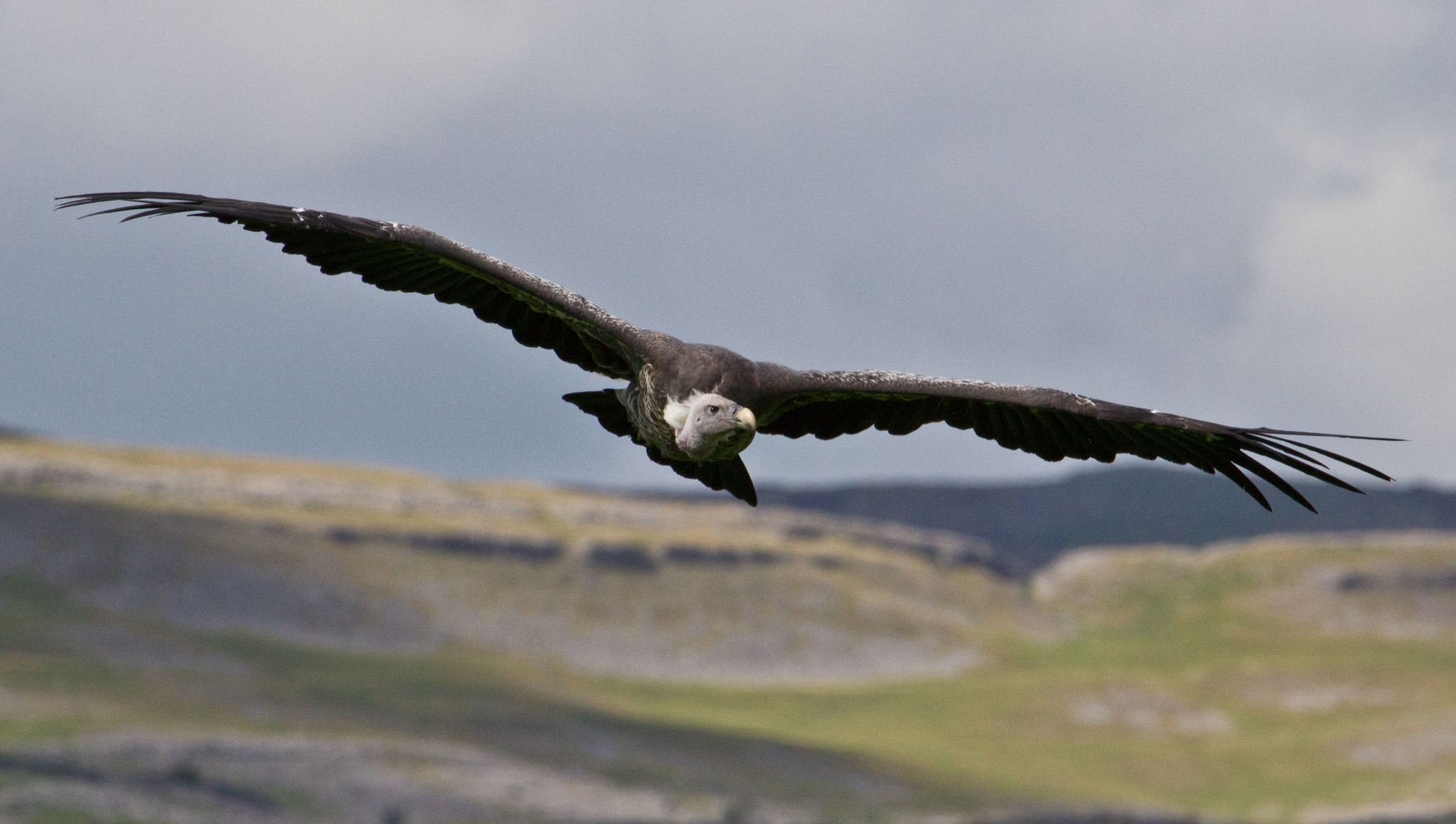
Rüppell’s Vulture is a large Old World vulture native to sub-Saharan Africa, renowned for being the highest-flying bird ever recorded, with flight altitudes exceeding 37,000 feet (11,278 meters). This obligate scavenger specializes in soaring over vast savannas and grasslands in search of carcasses, relying on keen eyesight to locate food from great distances. It plays an essential ecological role in rapidly consuming carrion, thereby limiting the spread of disease and recycling nutrients back into the environment. Populations have declined severely in recent decades due to poisoning, habitat loss, and human-wildlife conflict.

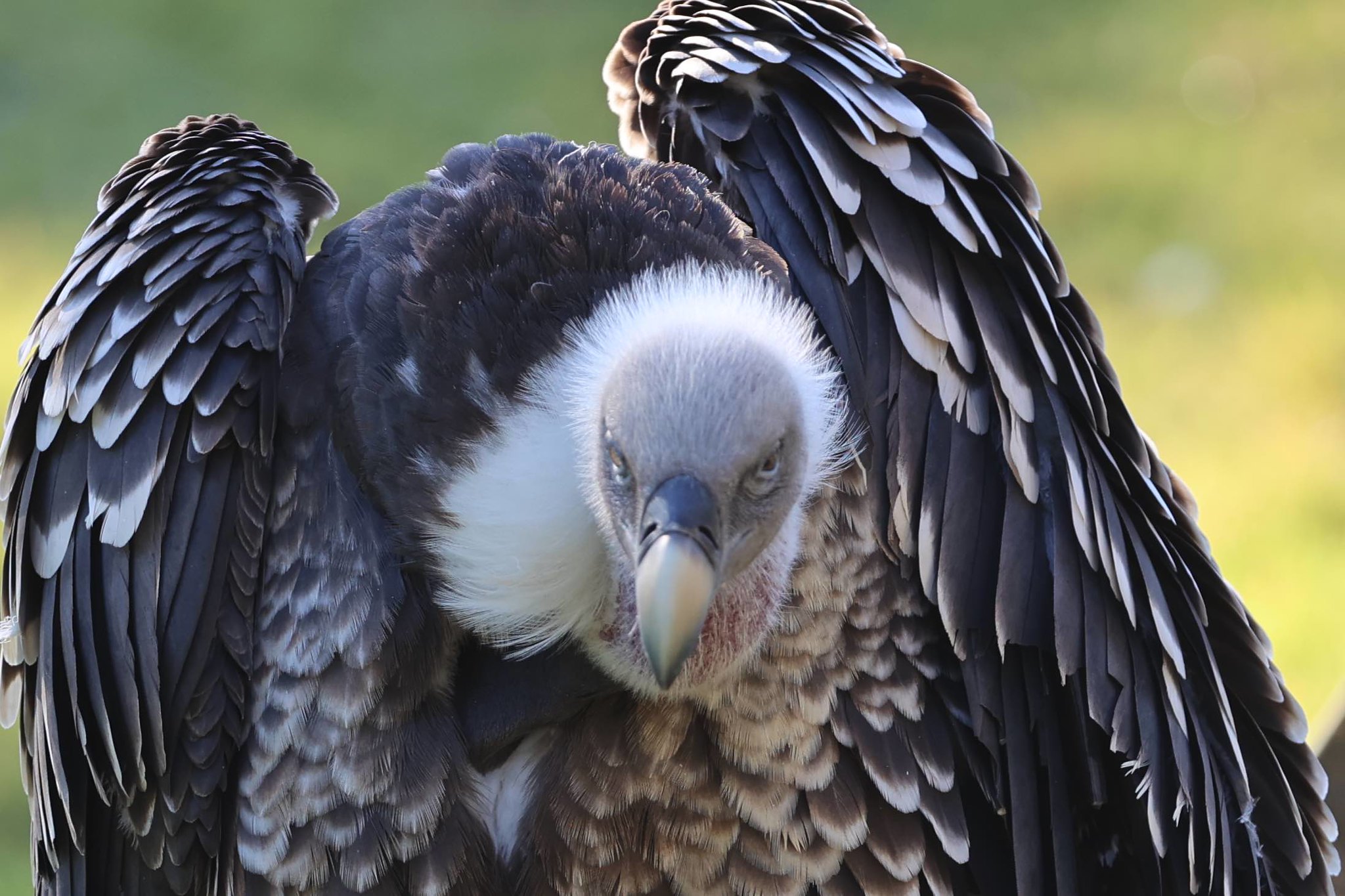
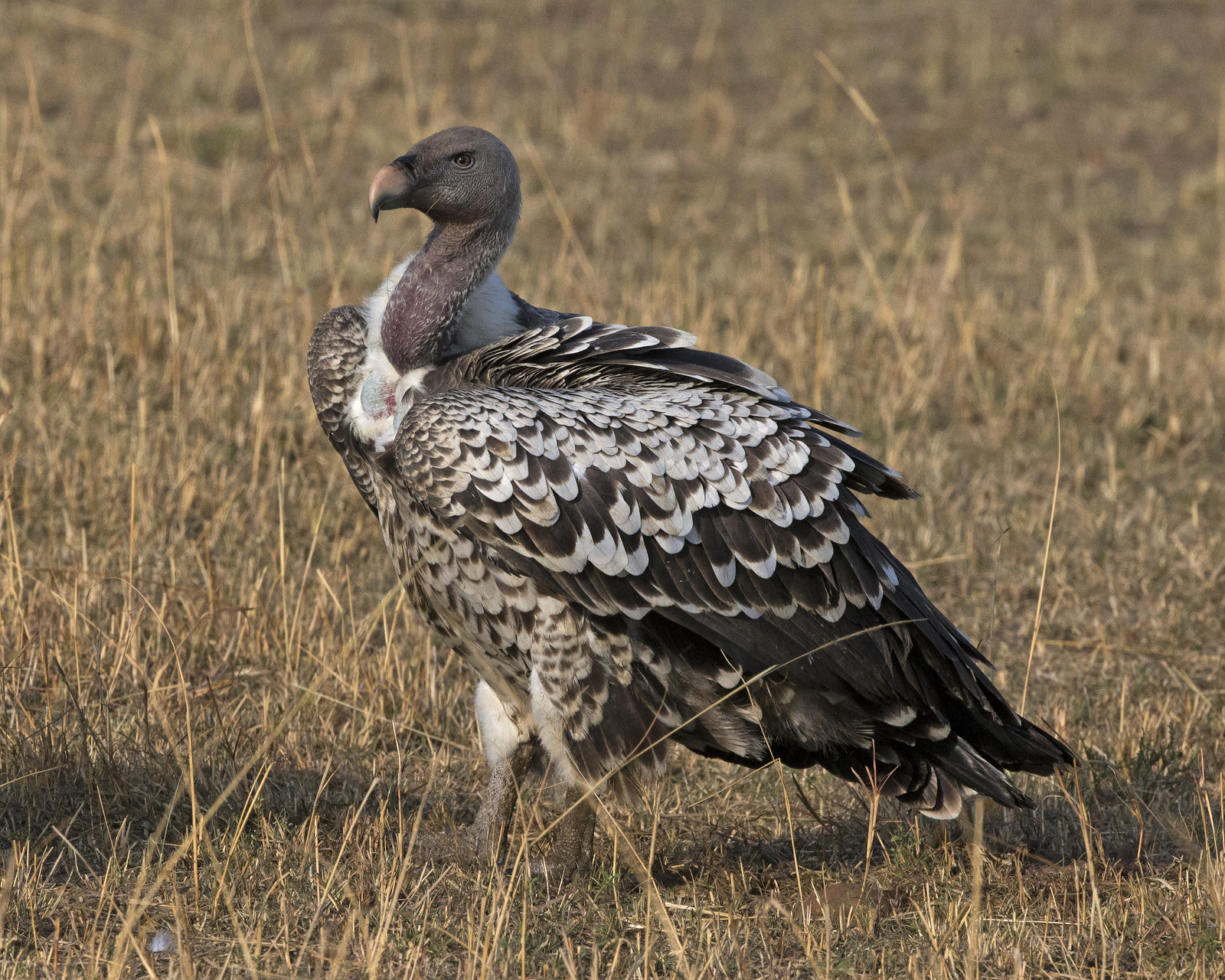
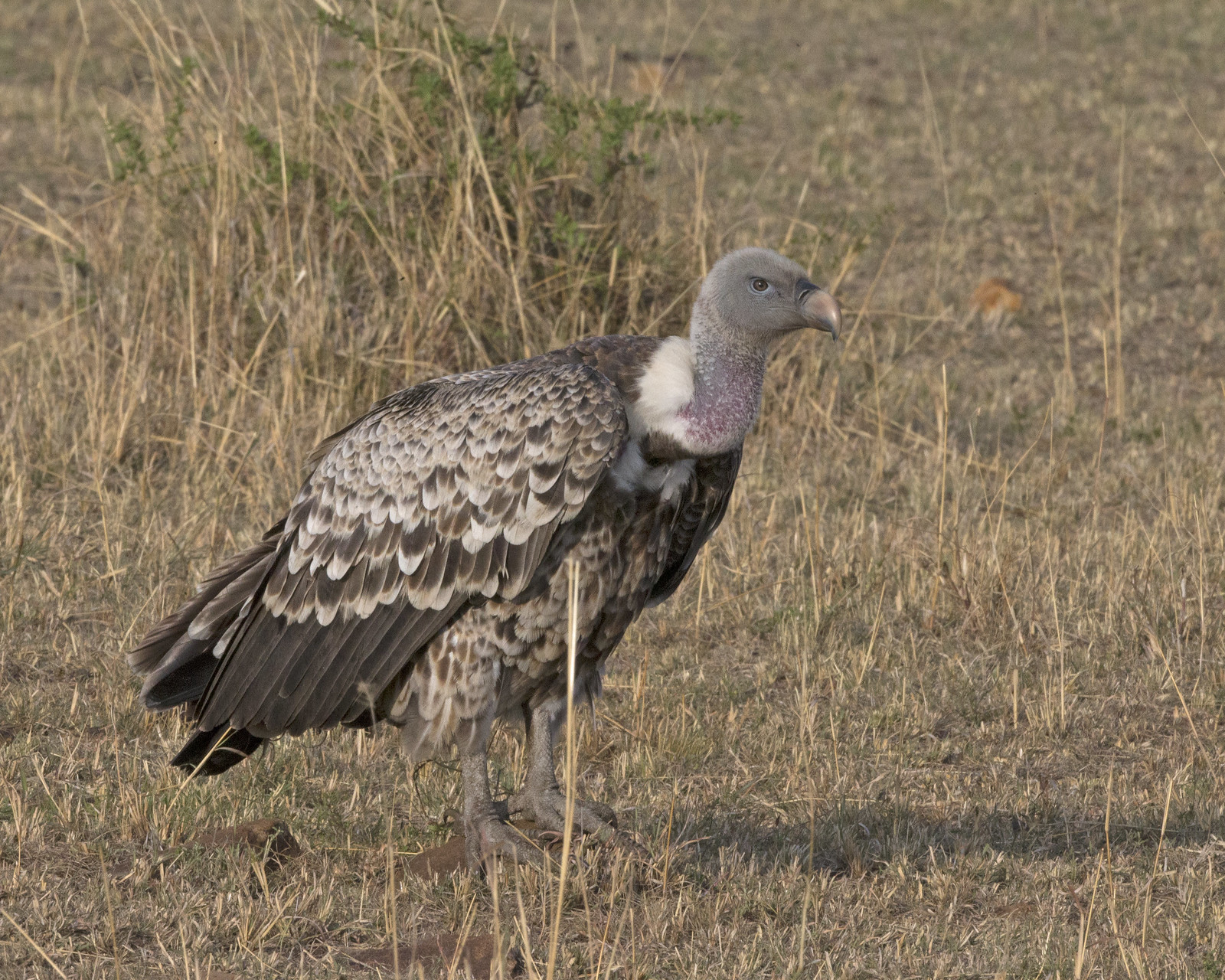
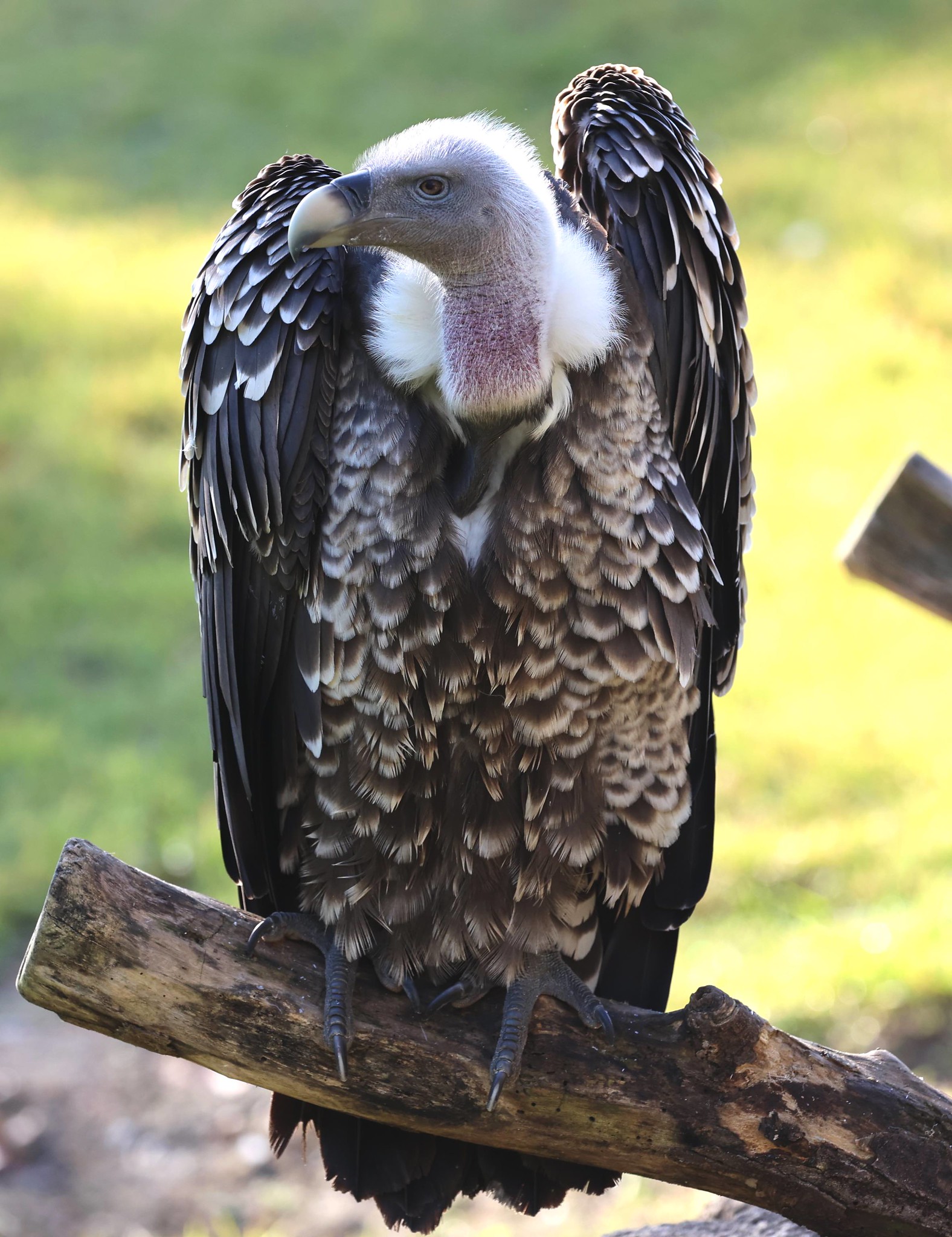
These vultures are highly social, gathering in large flocks at feeding sites and roosting communally on cliffs and tall trees. Breeding pairs are monogamous and nest on inaccessible cliffs, where they raise a single chick per season. Rüppell’s Vulture is named after the German explorer Eduard Rüppell, who first described the species in the 19th century. Its distinctive plumage features a dark brown body with pale feather bases, giving it a mottled appearance, and a white ruff at the neck.

Rüppell’s Vultures are long-lived birds with a lifespan that can exceed 40 years in the wild, although few individuals survive to old age due to high juvenile mortality. They are extremely efficient fliers, using thermal updrafts to cover hundreds of kilometers daily while foraging. Despite their critical ecosystem services, their populations are highly threatened and are listed as Critically Endangered. Conservation efforts focus on reducing poisoning, protecting breeding colonies, and promoting coexistence with livestock herders.

Taxonomy

Kingdom
Phylum
Class
Family
Genus
Species
Type

Physical Description:

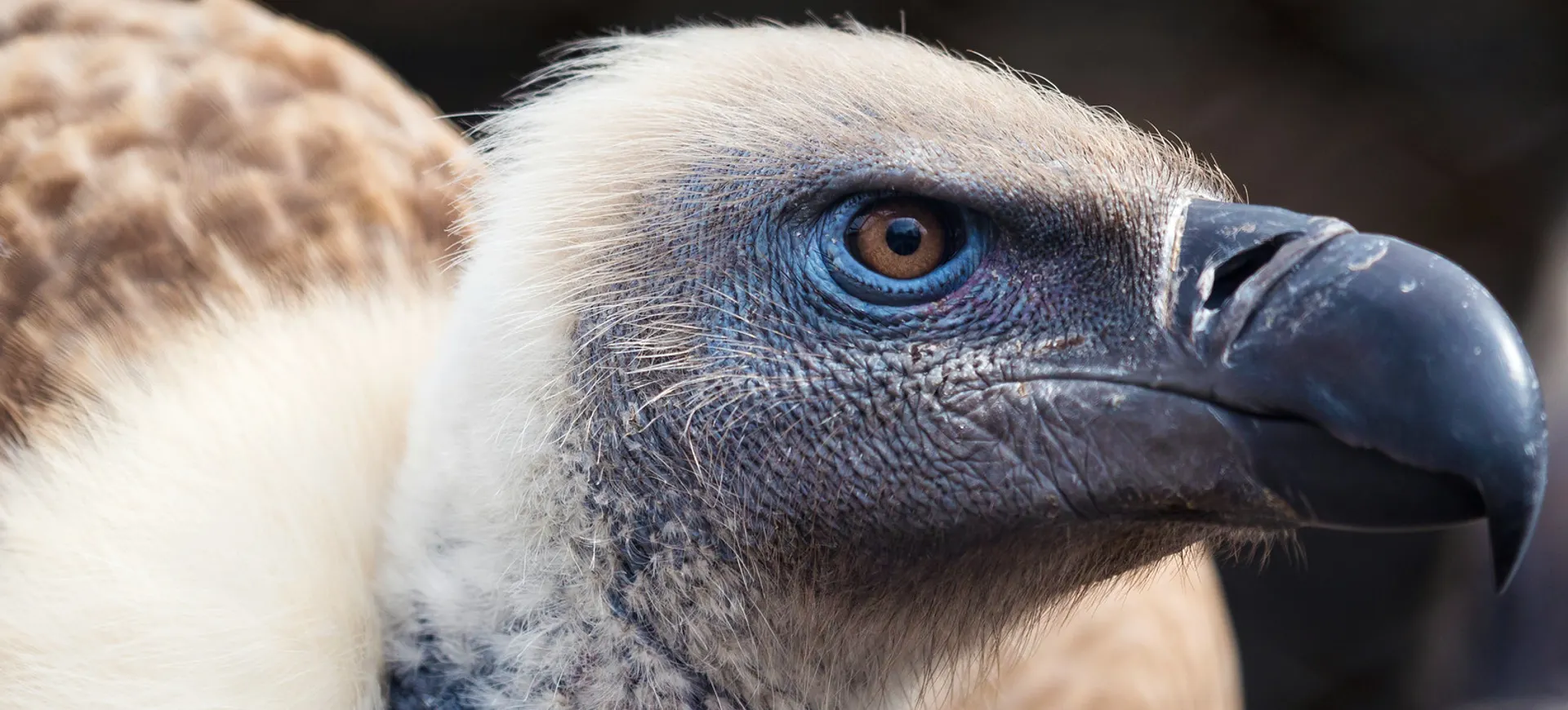
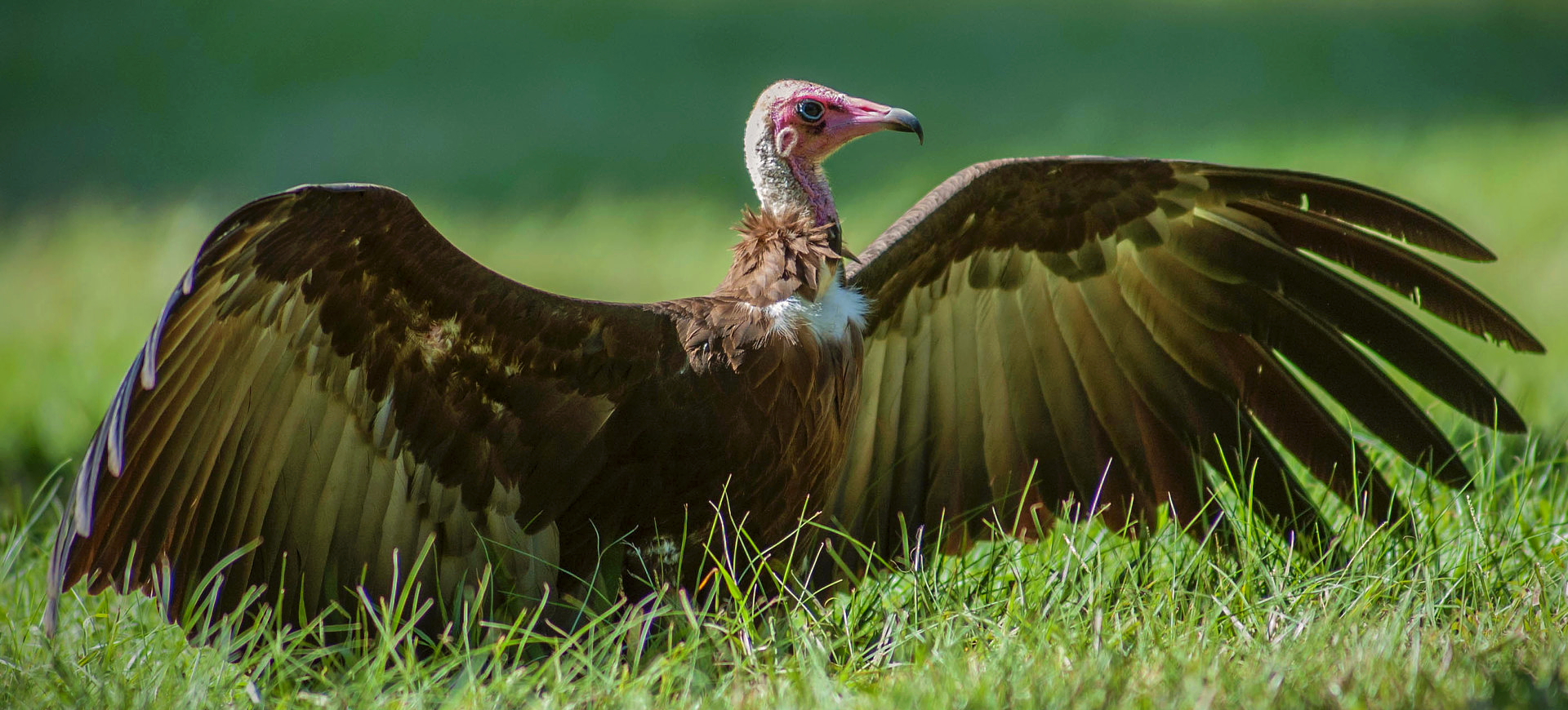
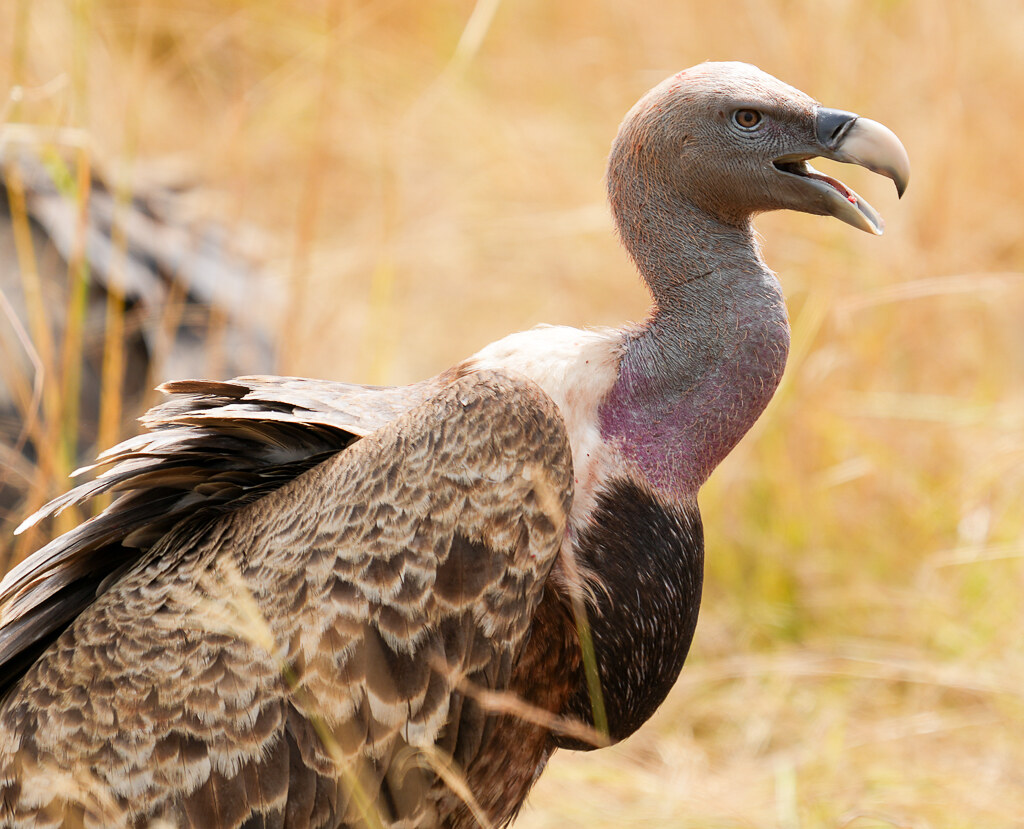
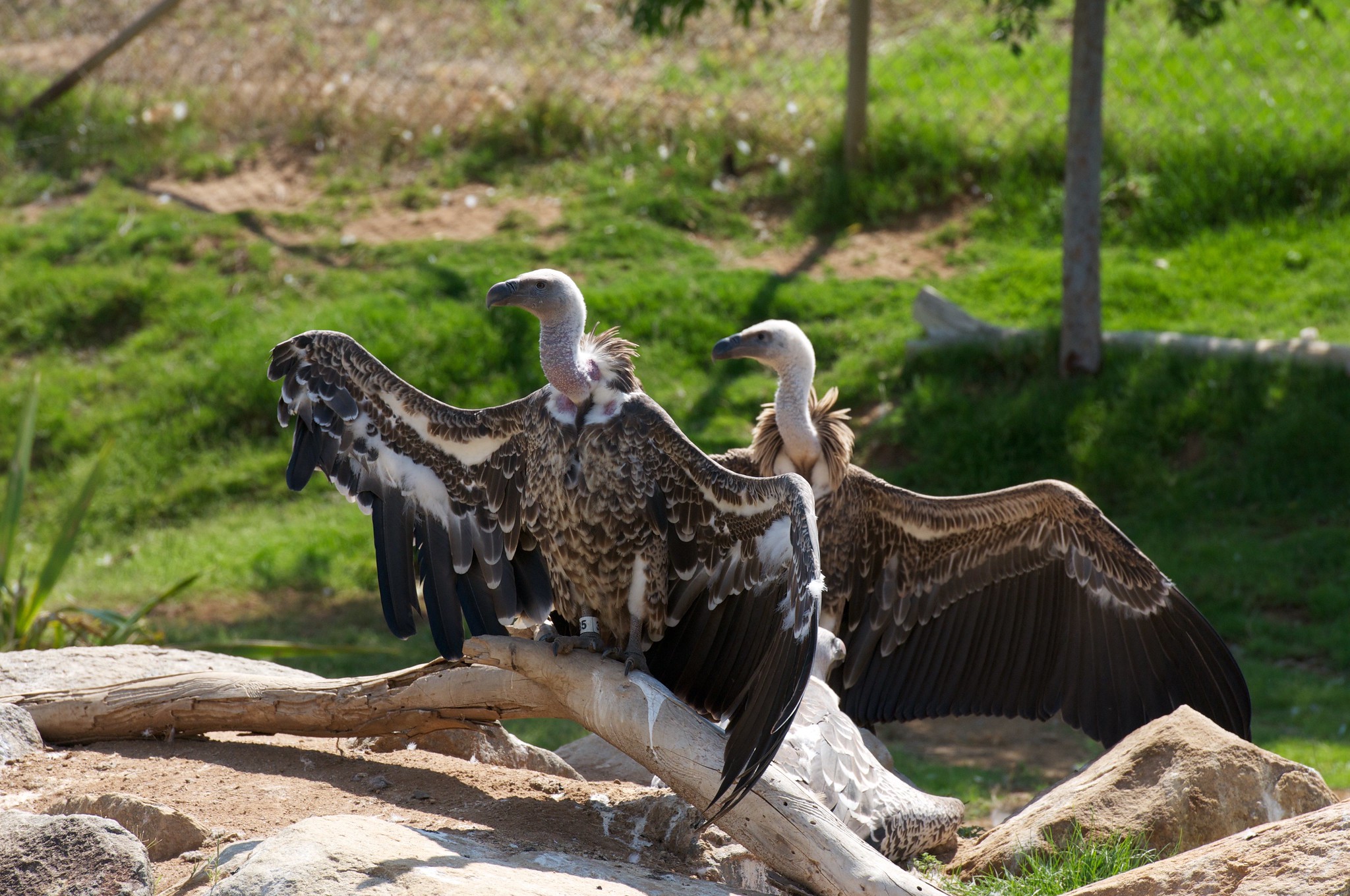
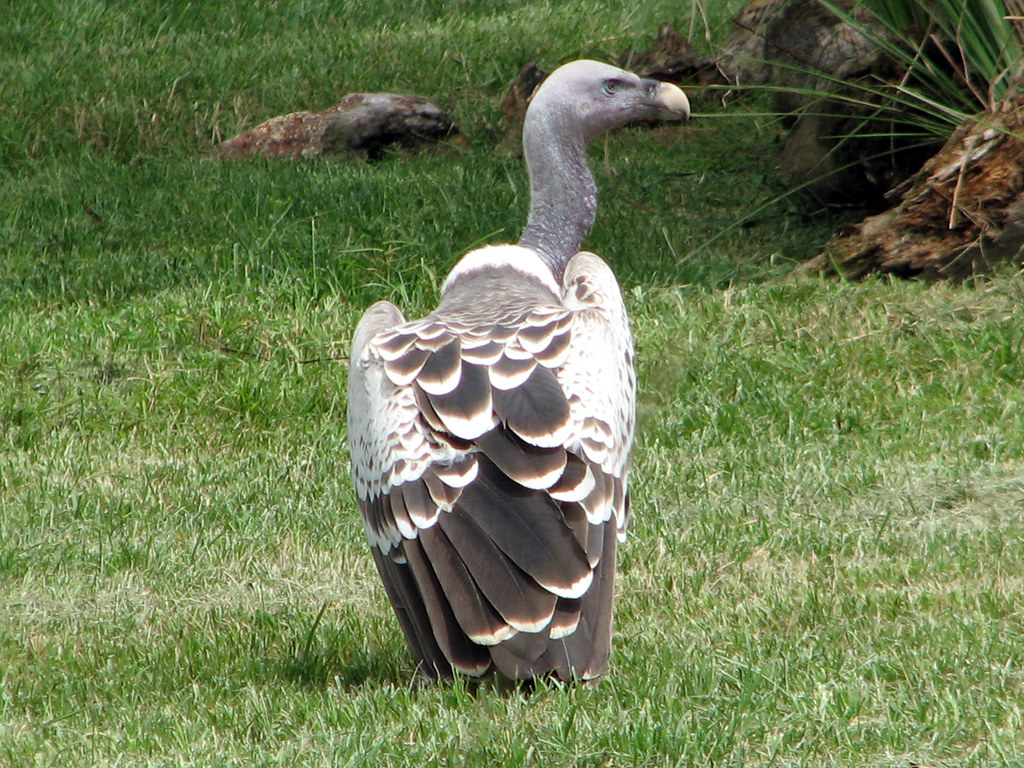
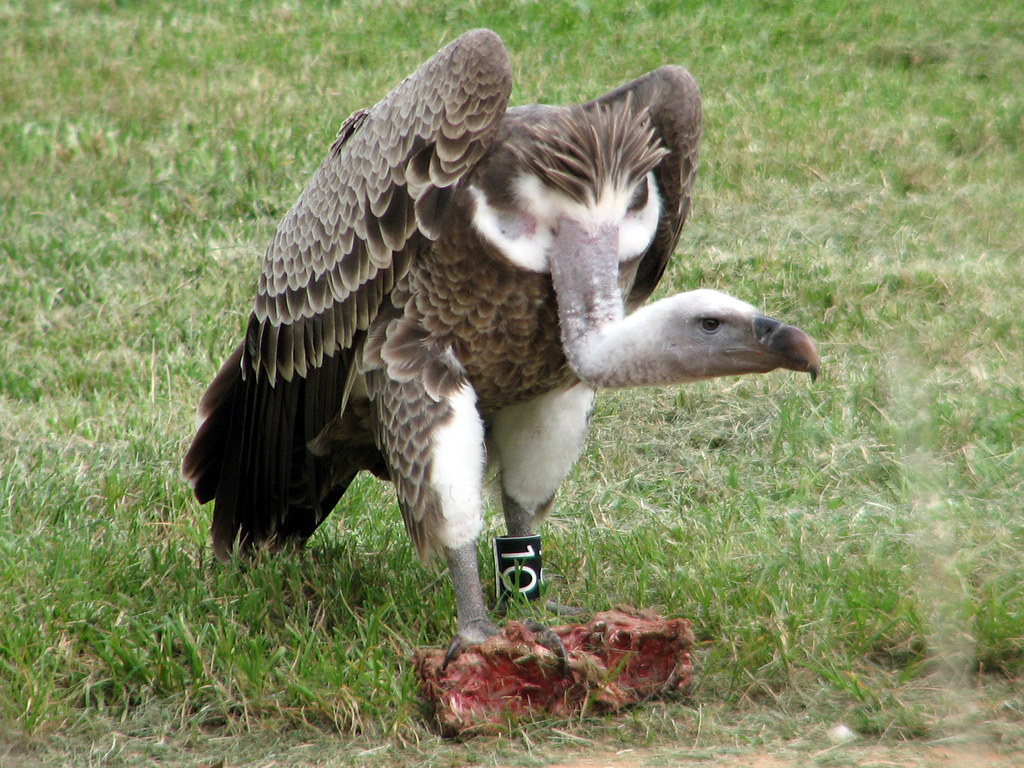
Rüppell’s Vulture has a large, robust body with a wingspan reaching up to 8.5 feet (2.6 meters), adapted for soaring flight over open landscapes. The plumage is dark brown overall, with contrasting pale feather bases creating a speckled or scaled appearance. Adults have a characteristic white ruff at the base of the neck, a bald head and neck adapted for hygiene when feeding inside carcasses, and a strong, hooked beak specialized for tearing flesh. The eyes are pale yellow, and the legs are greyish-white.

Juveniles are generally darker and less distinctly mottled than adults, lacking the fully developed white ruff. The long, broad wings and short tail facilitate efficient soaring and maneuvering in thermal currents. Their nostrils are perforated, allowing air to pass completely through the beak. The neck is long and highly flexible, enabling deep access into carcasses during feeding.

Lifespan: Wild: ~40 Years || Captivity: ~50 Years

Weight: Male: 15–20 lbs (6.8–9.1 kg) || Female: 13–18 lbs (5.9–8.2 kg)

Length: Male: 39–43 in (99–109 cm) || Female: 37–41 in (94–104 cm)

Height: Male: 36–40 in (91–102 cm) || Female: 34–38 in (86–97 cm)

Wingspan: Male & Female: 90–102 in (229–259 cm)

Top Speed: 35 mph (56 km/h)
Native Habitat:

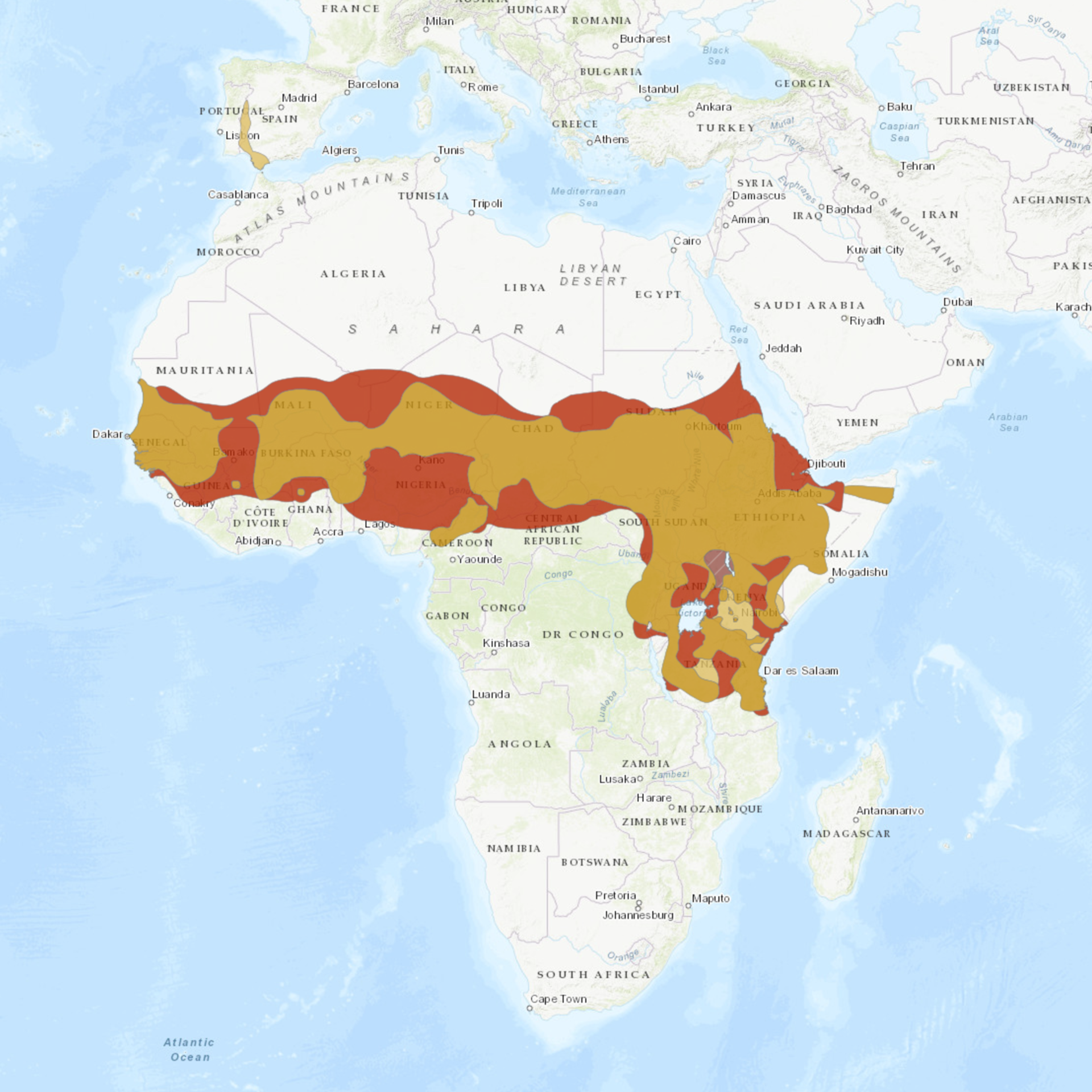
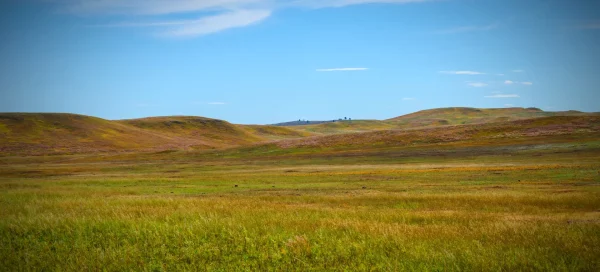
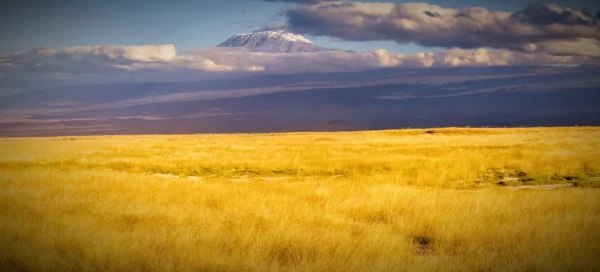
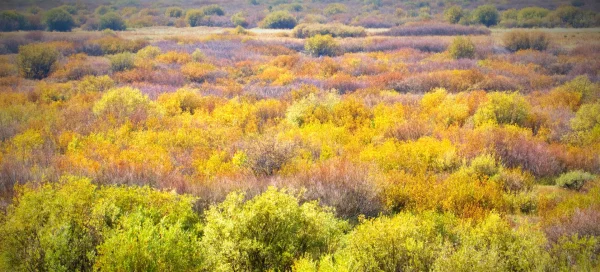
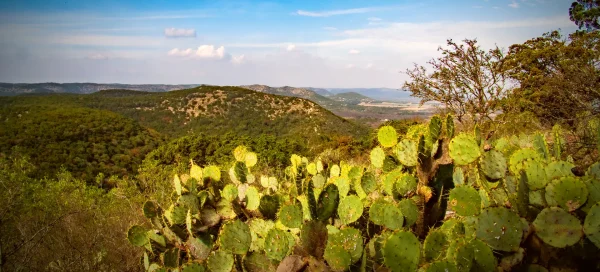
This species occupies savannas, grasslands, semi-arid bushlands, and montane regions across the Sahel and East Africa. Nesting requires tall cliffs with ledges safe from terrestrial predators and with sufficient updrafts for takeoff. Foraging habitats are expansive and include open rangelands, wildlife reserves, and pastoral grazing lands where carcasses are abundant. Vegetation is typically sparse to moderately dense, providing clear sightlines for spotting food.

They prefer areas with abundant wild herbivores or livestock, which produce carcasses at a rate sufficient to support colonies. Seasonal movements track food availability and may involve hundreds of kilometers. Rüppell’s Vultures avoid dense forests, wetlands, and heavily urbanized areas. Roosting sites are chosen for proximity to feeding grounds and safety from disturbance.

Climate Zones:
Biogeographical Realms:
Continents:
Diet:

Diet & Feeding Habits:

Rüppell’s Vulture is an obligate scavenger, feeding almost exclusively on the soft tissues of large mammal carcasses. They rely on keen eyesight to detect carcasses from altitudes exceeding several thousand feet and often follow other vulture species to food sources. At feeding sites, they use their long necks to access deep body cavities and are among the first to open carcasses. Competition for carcasses is intense, with aggressive interactions involving jostling and lunging to secure access to them.

They feed rapidly, consuming several pounds of flesh in a single meal and then retreating to cliffs or trees to digest. Rüppell’s Vultures are dependent on the presence of large wild ungulates and livestock herds, making them vulnerable to declines in prey availability. They occasionally ingest small bones, hide fragments, and other debris. Water is obtained primarily through moisture in food, but they will drink from waterholes when available.

Mating Behavior:

Mating Description:

Rüppell’s Vultures are monogamous, forming long-term pair bonds that may last for decades. Courtship involves aerial displays and mutual preening on nest ledges. Pairs nest in colonies on cliffs where they construct large stick platforms lined with grass and hair. Breeding typically coincides with the dry season, when carcasses are most abundant.

Females lay a single white egg, which is incubated for approximately 55 days by both parents. The chick is covered in white down and is fed by regurgitation for several months. Fledging occurs at approximately 150 days, but juveniles remain dependent on adults for an additional week or two. Breeding success is low due to predation, disturbance, and food scarcity.

Reproduction Season:

Year-round
Birth Type:

Pregnancy Duration:

~55 Days (Incubation)

Female Name:

Hen

Male Name:

Cock

Baby Name:

Chick

Social Structure Description:

Rüppell’s Vultures are highly social, gathering in large flocks for roosting, foraging, and breeding. Colonies can number hundreds of pairs on suitable cliffs. Social hierarchies at carcasses determine access to food, with dominant individuals feeding first. Pairs maintain strong bonds, cooperating closely during nesting and chick rearing.

Roosting groups provide safety in numbers and facilitate the sharing of information about food sources. Juveniles and non-breeding adults often form separate subgroups. Communication includes hissing, grunting, and visual displays to resolve conflicts. Their communal lifestyle is integral to efficient scavenging and reproduction.

Groups:

Committee
Conservation Status:
Population Trend:
Wild: <22,000 || Captivity: Unknown

Rüppell’s Vulture populations have declined by more than 90% over the past 50 years in some regions. West African populations are the most severely affected, with many colonies now extinct. East African strongholds remain, but breeding success is limited by poisoning and habitat disturbance. Juvenile survival rates are low due to the scarcity of safe feeding sites and delayed maturity.

Captive populations are managed for conservation education and as genetic reservoirs, although reintroduction remains a challenge. Genetic diversity has eroded in some isolated colonies, increasing vulnerability. International conservation networks track populations and coordinate protection measures to ensure their conservation. Urgent action is needed to halt further declines and stabilize remaining colonies.

Population Threats:

Poisoning is the leading cause of mortality, often resulting from intentional carcass contamination to kill predators or inadvertent exposure to veterinary drugs like diclofenac. Habitat loss from agriculture and infrastructure development has reduced foraging and nesting habitat. Electrocution on powerlines and collisions with wind turbines cause additional deaths. Persecution due to perceived links with livestock predation or traditional medicine further contributes to declines.

Climate change exacerbates food scarcity by altering the distribution of ungulates and increasing the frequency of droughts. Disturbances at breeding cliffs disrupt nesting and reduce reproductive success. The illegal trade in vulture parts persists in certain regions. Without intervention, continued decline is projected across the range.

Conservation Efforts:

International bans on toxic veterinary drugs, such as diclofenac, have been advocated to reduce poisoning. Protected areas and vulture-safe zones have been established to safeguard breeding cliffs and foraging ranges. Community outreach programs educate herders on the importance of vultures and promote safe disposal of carcasses. Anti-poisoning response teams are trained to quickly remove contaminated carcasses.

Research programs monitor populations, track movements via satellite telemetry, and assess genetic diversity. Captive breeding programs contribute to insurance populations and public awareness. Transboundary cooperation among African nations strengthens legal protections and enforcement. Funding and political commitment remain essential to sustaining conservation initiatives.

Additional Resources:

Fun Facts

  • They hold the record for the highest bird flight, detected by a jet at 37,000 feet.
  • Their nostrils pass completely through the beak.
  • A single meal can fill their crop with over 4 pounds of meat.
  • They can soar for hours without flapping.
  • The neck ruff helps keep their feathers clean while feeding inside carcasses.
  • They have excellent eyesight, spotting carcasses from miles away.
  • Chicks take up to 5 months to fledge.
  • They sometimes follow other scavengers to find food.
  • Their wingspan can exceed 8 feet.
  • They play a critical role in disease control by removing carrion.