Overview

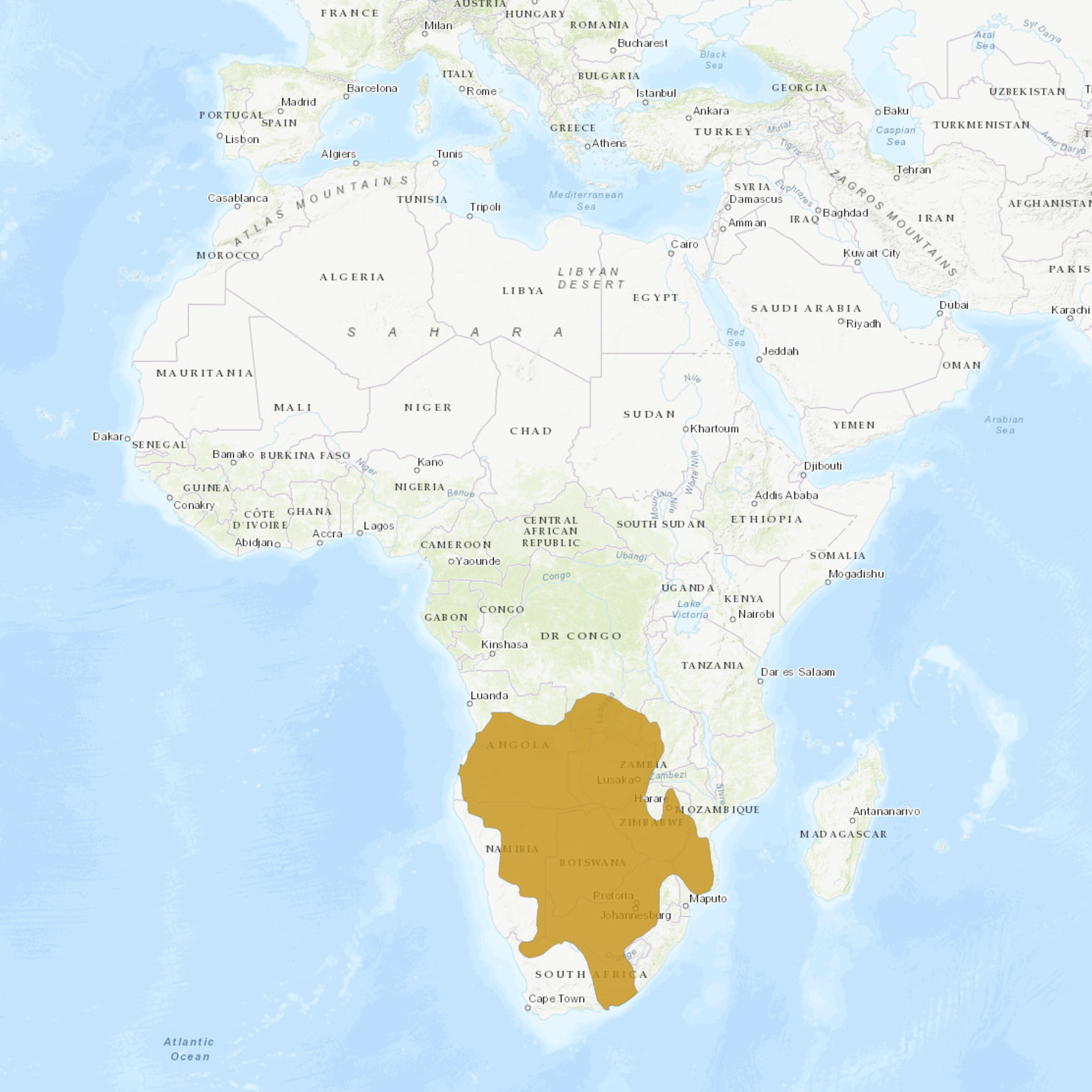
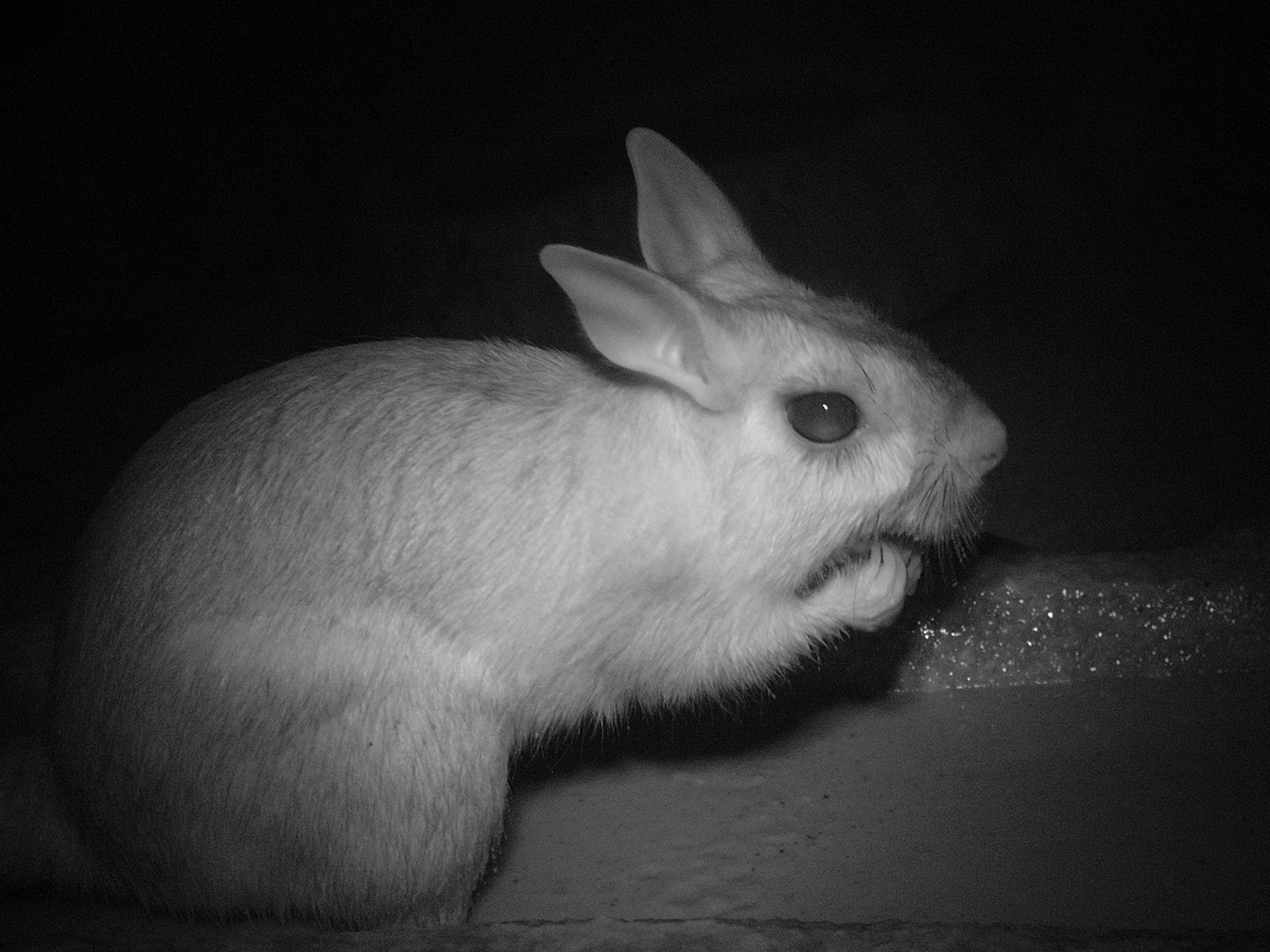
The Spring Hare is a nocturnal rodent native to southern and eastern Africa, notable for its kangaroo-like appearance and powerful hind limbs. Despite its name, it is not a true hare but rather belongs to a unique rodent family distinguished by specialized adaptations for saltatorial locomotion. This species occupies sandy and grassy habitats where it excavates extensive burrow systems used for shelter during daylight hours. It emerges at night to feed and can cover significant distances in search of food resources.

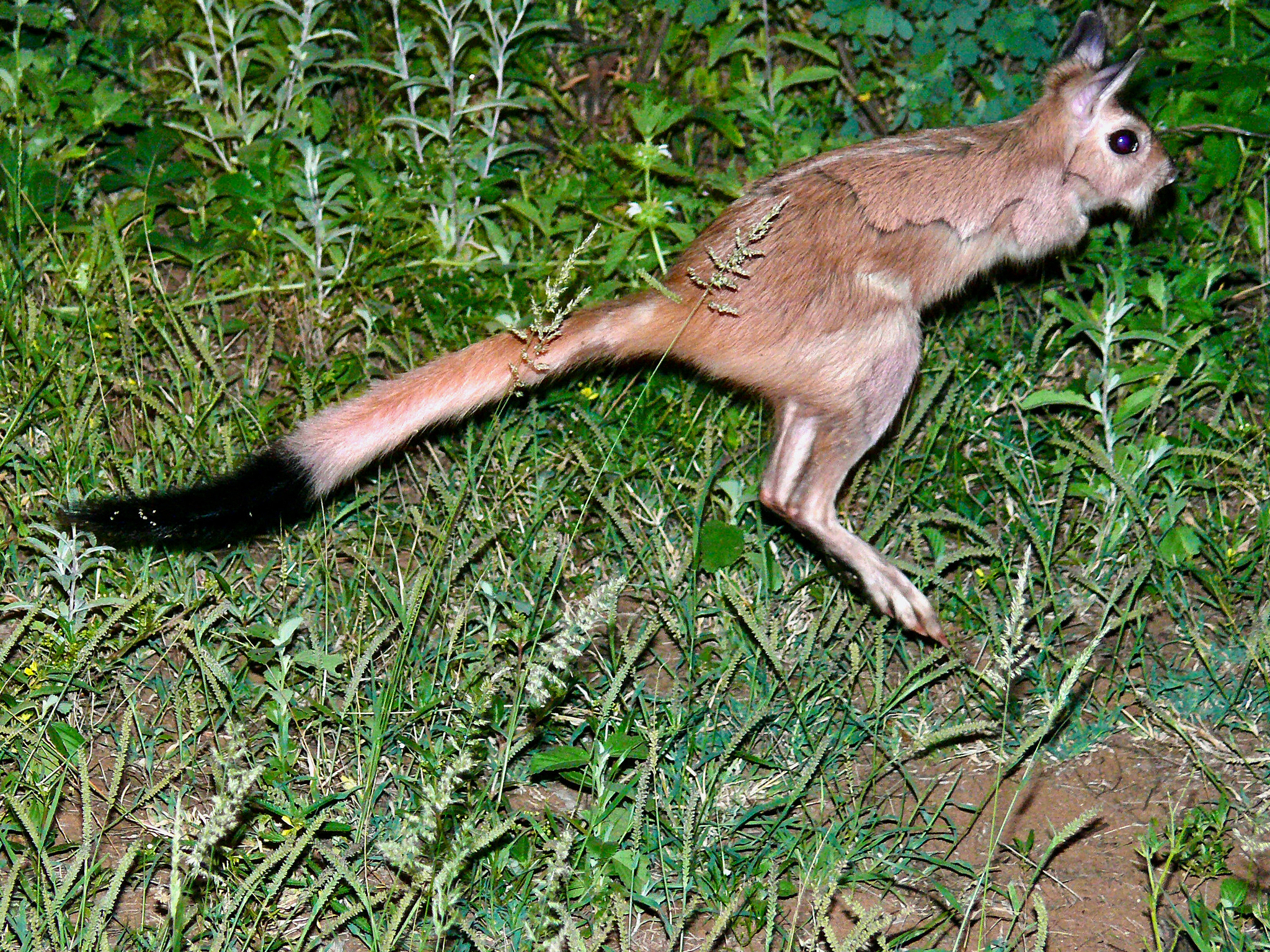
Spring Hares are solitary animals, generally only coming together for mating or brief interactions. Their long, bushy tails assist in balance while hopping and provide support when sitting upright. The eyes are large and well-adapted for nocturnal vision, while their ears are sensitive enough to detect the subtle sounds of predators in the dark. Their remarkable jumping ability allows them to escape threats quickly, leaping over 30 feet (9 meters) in a single bound.

This species plays a crucial role in its ecosystem, both as a prey item for numerous carnivores and as an ecological engineer that modifies soil structure through its burrowing activities. Spring Hare burrows contribute to aeration and nutrient cycling in grassland environments. Their foraging behavior influences plant community composition by selectively consuming certain grasses and herbs. Despite some localized hunting and habitat pressure, the species remains widespread and relatively common.

Taxonomy

Kingdom
Phylum
Class
Order
Family
Genus
Type

Physical Description:

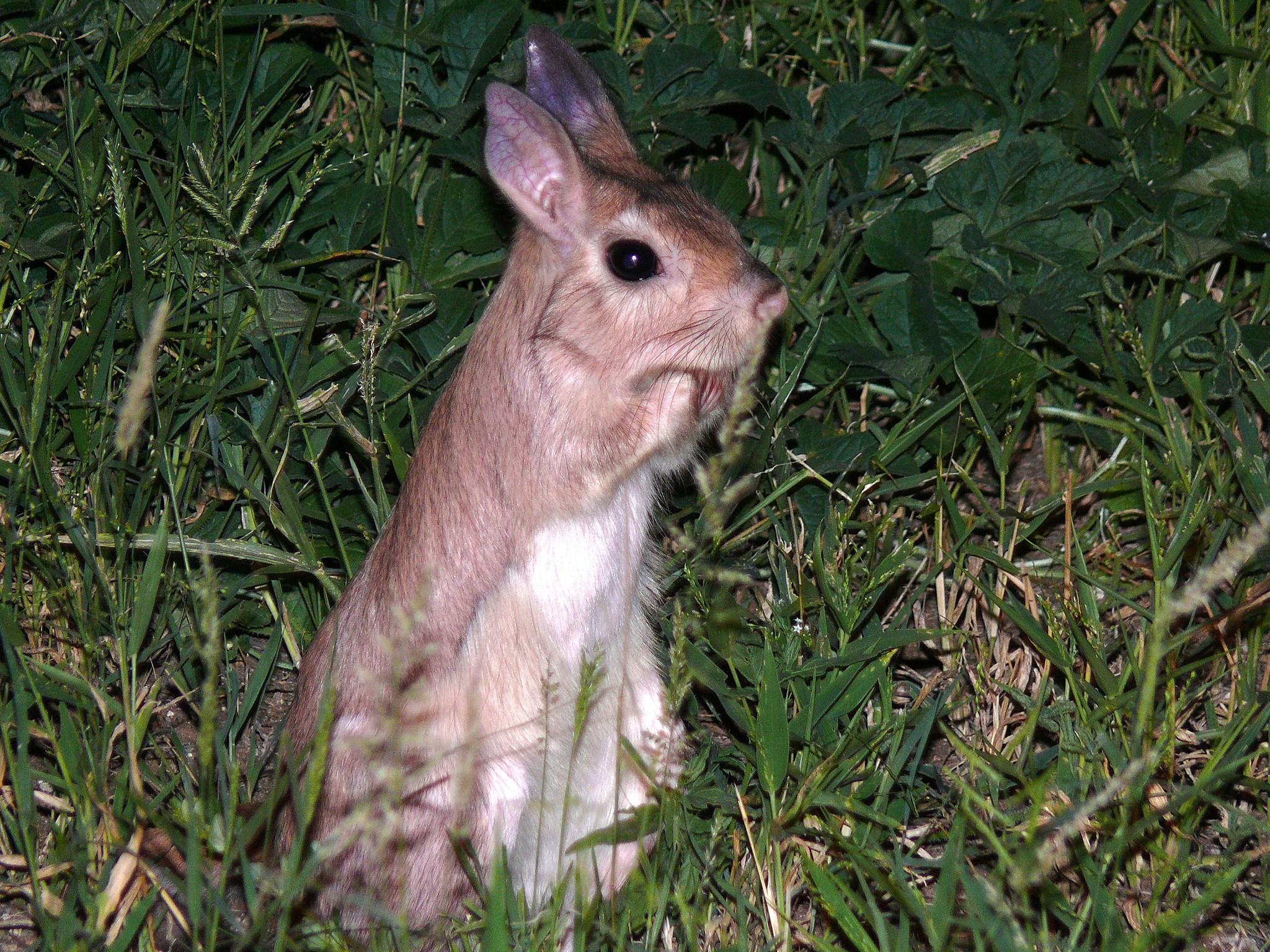
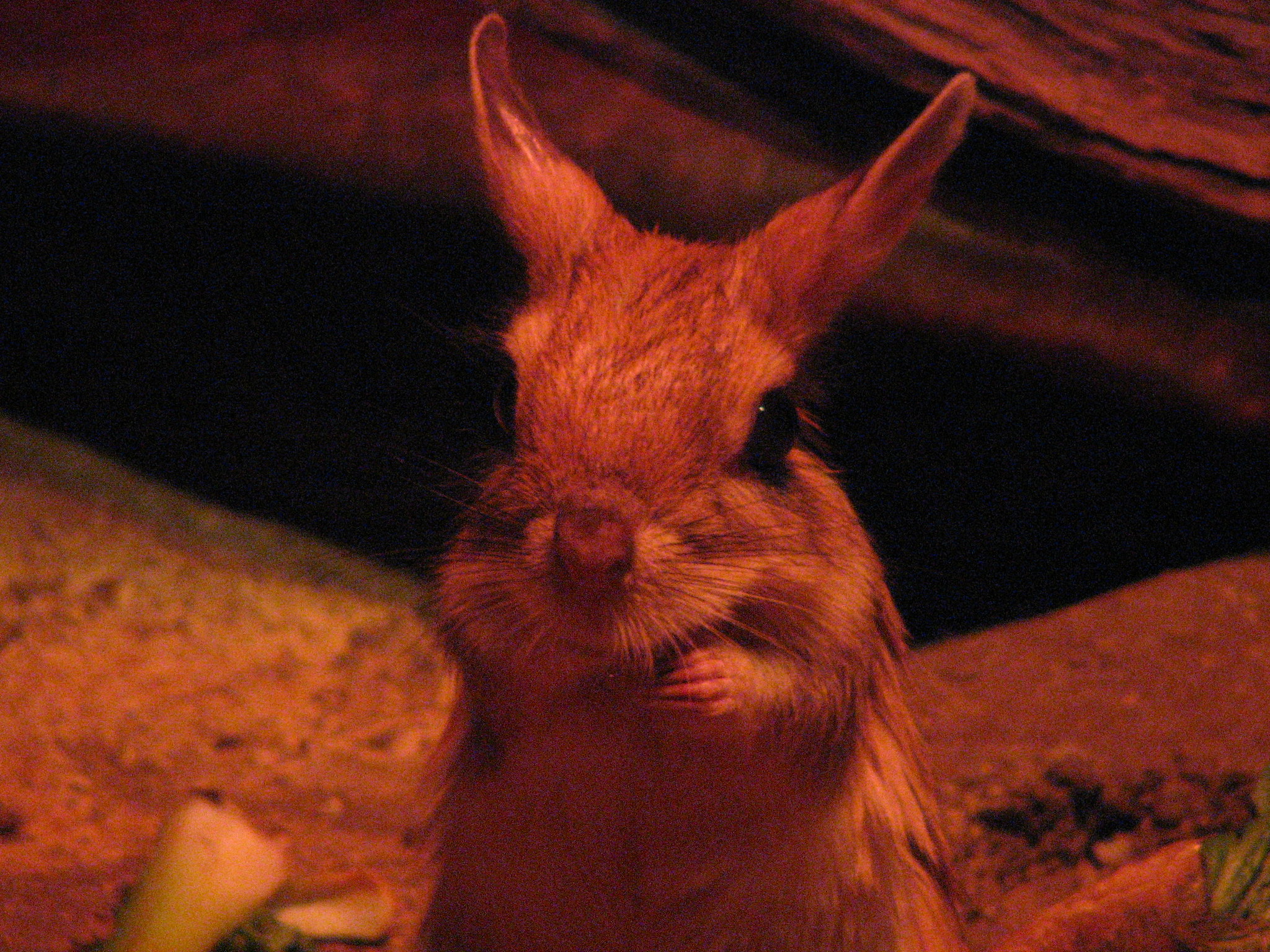
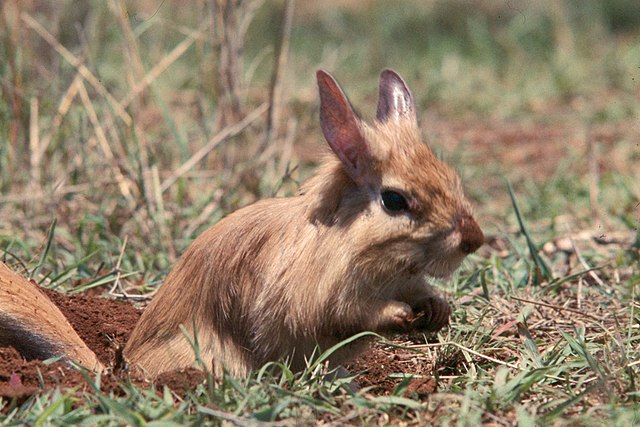
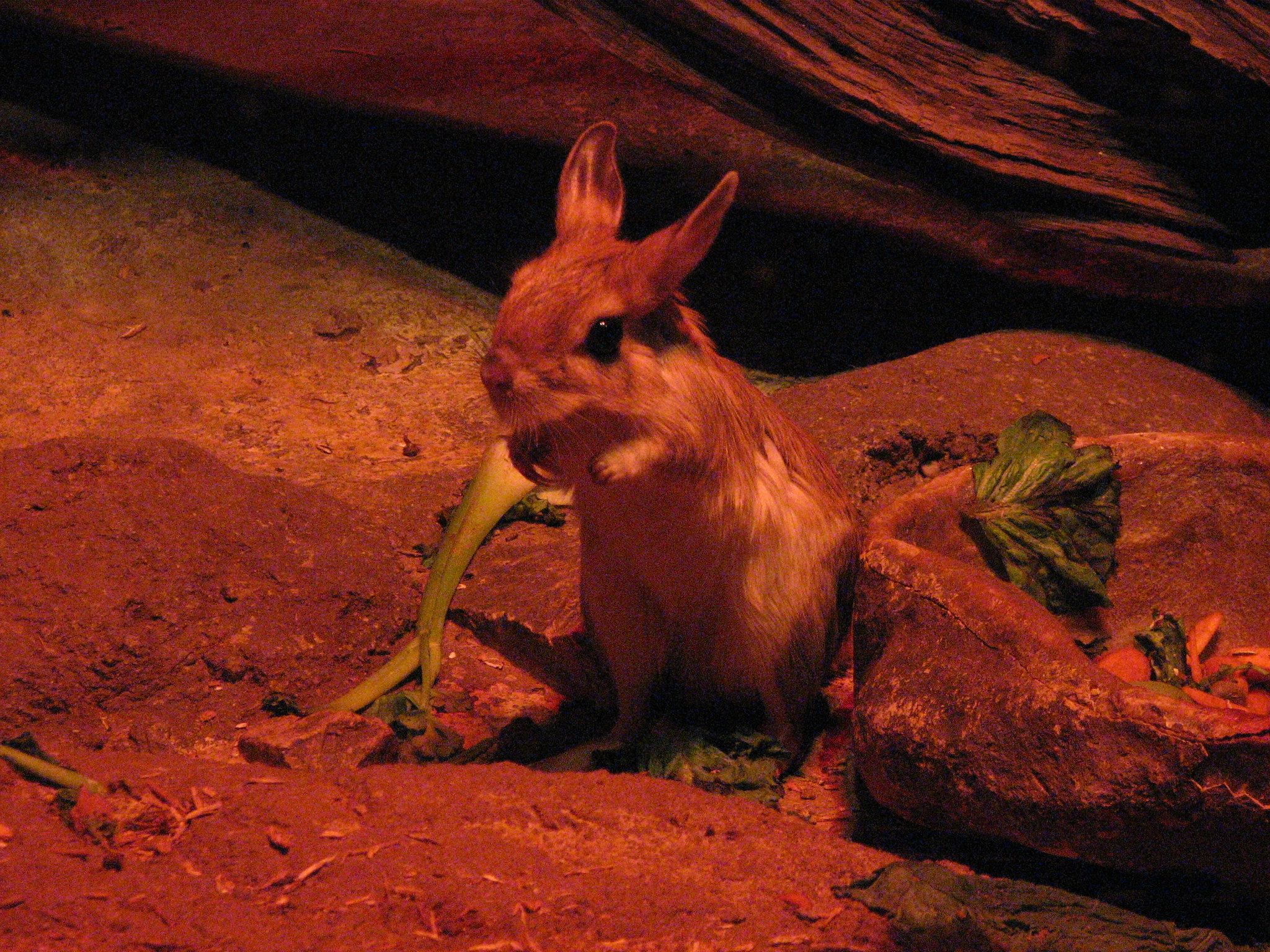
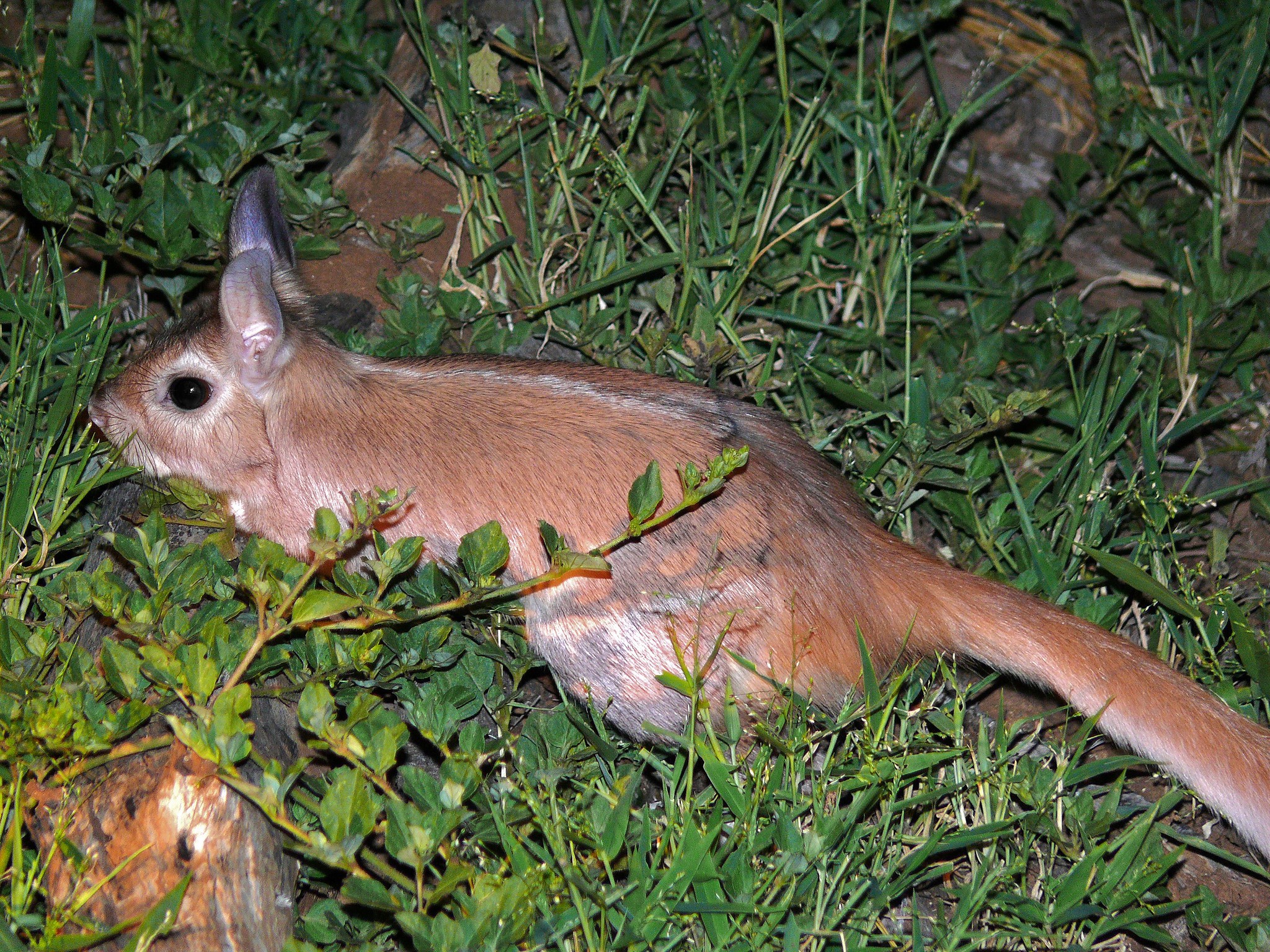
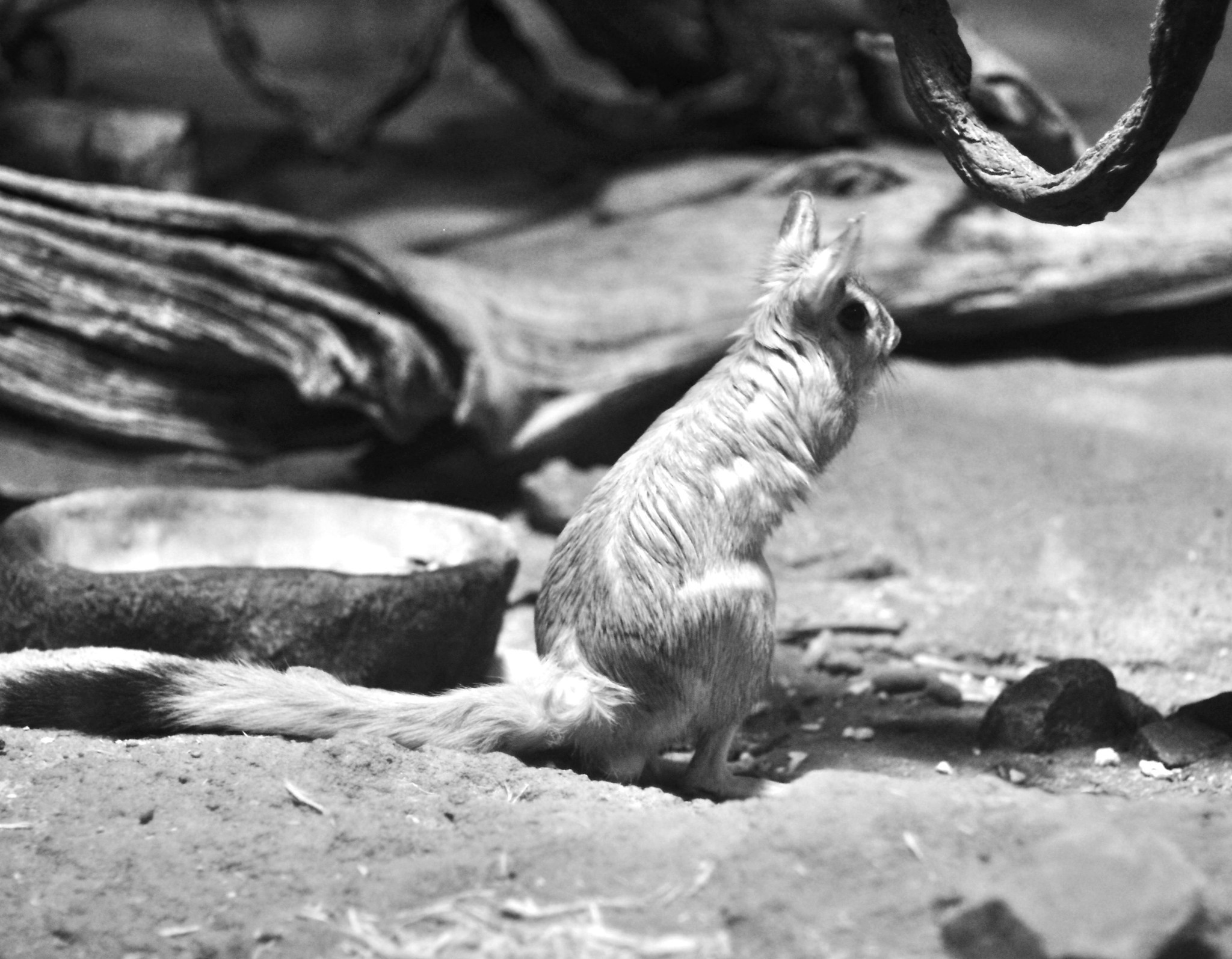
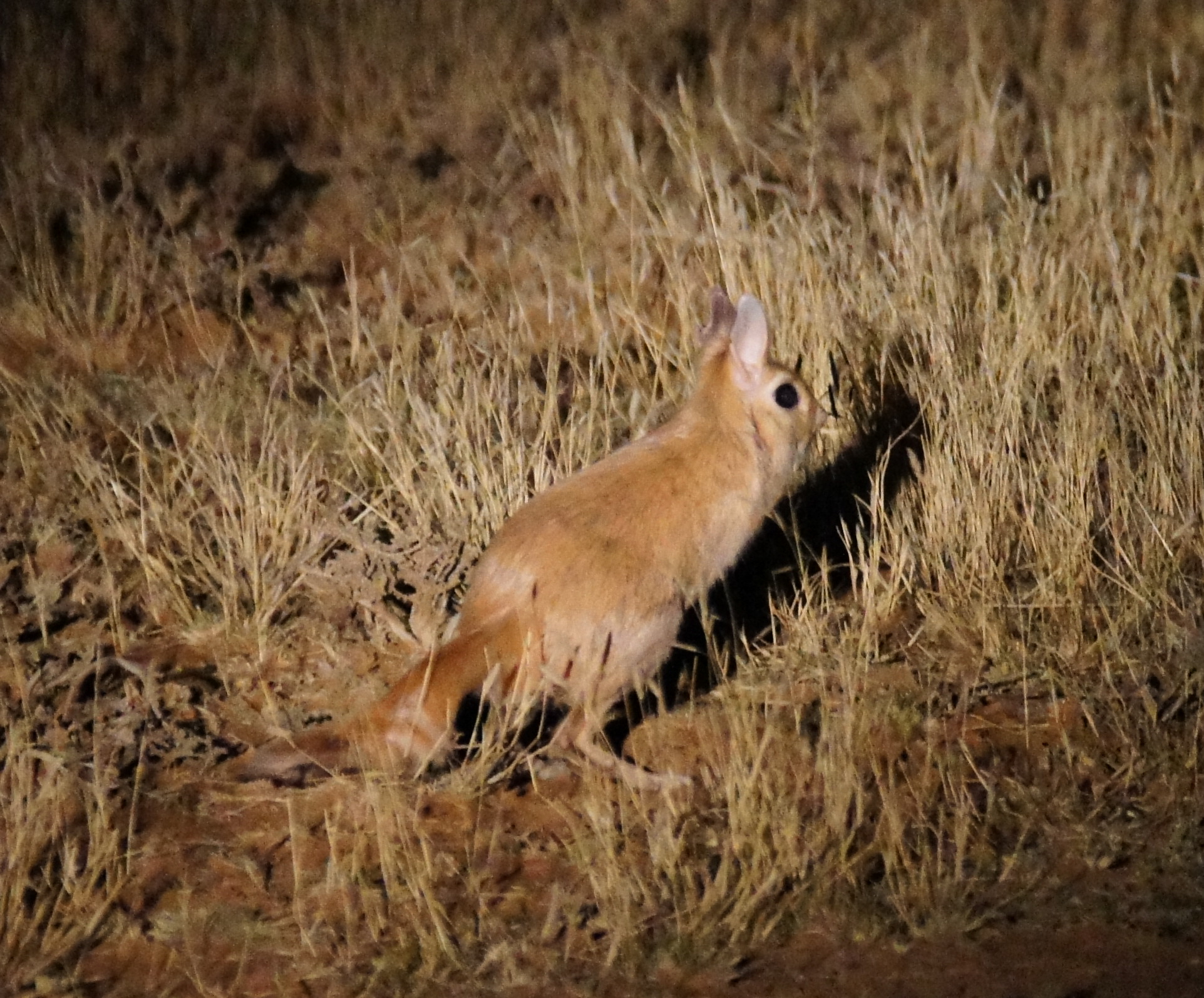
The Spring Hare has a reddish-brown to sandy coat that blends seamlessly with its arid habitat, characterized by paler underparts and a distinctive, long tail tipped with black. It possesses extremely elongated hind limbs, adapted for powerful leaps, which contrast with its much shorter forelimbs, used primarily for digging. The head is large with prominent eyes and ears, allowing excellent night vision and acute hearing. This rodent has robust claws and strong forelimb musculature, enabling it to excavate burrows up to 13 feet (4 meters) deep.

Adults typically weigh between 6 and 10 pounds (2.7–4.5 kilograms), with males and females being similar in size and appearance. The tail is heavily furred and nearly as long as the body, functioning both in locomotion and thermoregulation. The muzzle has sensitive vibrissae that aid in navigating dark burrow systems. Overall, its morphology is highly specialized for a semi-fossorial and saltatorial lifestyle.

Lifespan: Wild: ~6 Years || Captivity: ~10 Years

Weight: Male & Female: 6–10 lbs (2.7–4.5 kg)

Length: Male & Female: 35–43 in (89–109 cm)

Height: Male & Female: 15–20 in (38–51 cm)

Top Speed: 19 mph (30 km/h)
Native Habitat:

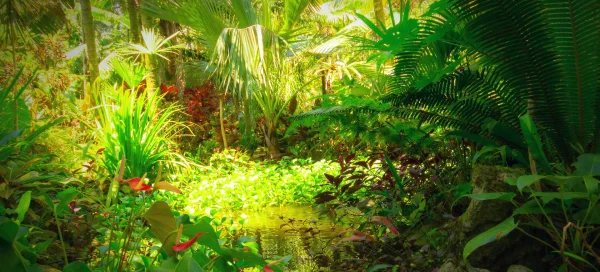
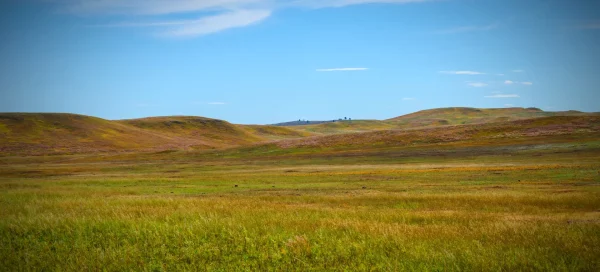
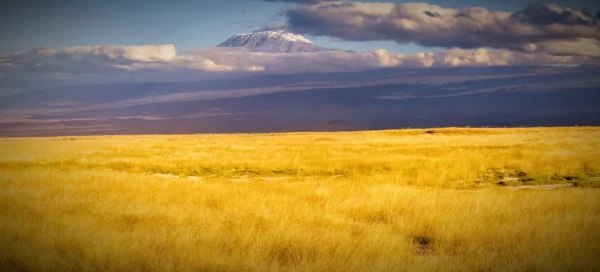
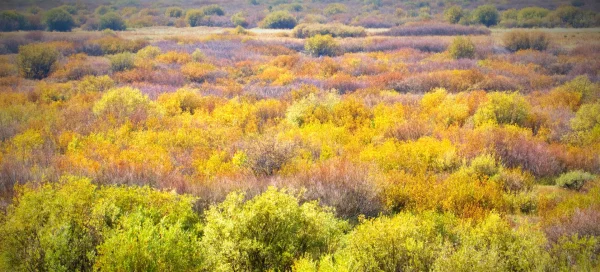
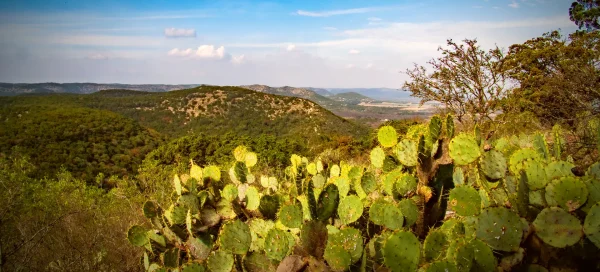
Spring Hares prefer open, sandy plains, grasslands, and savannas with loose soils that are suitable for burrowing. They avoid rocky or densely vegetated environments where digging and hopping are restricted. Burrow systems can be complex with multiple entrances, escape tunnels, and nesting chambers lined with dry vegetation. These structures provide essential refuge from predators and extreme temperatures.

Habitat selection is influenced by soil composition, vegetation cover, and proximity to food sources. Areas with sparse shrubs and abundant perennial grasses are ideal for this purpose. Human activities, such as agriculture and urbanization, can fragment habitats, although some species exhibit some adaptability. They often persist near agricultural fields if adequate cover remains.

Climate Zones:
Biogeographical Realms:
Continents:
Diet:

Diet & Feeding Habits:

Spring Hares are herbivorous grazers and browsers feeding mainly on grasses, roots, bulbs, and occasional leaves. Foraging occurs exclusively at night when temperatures are cooler and predation risk is reduced. They use their strong incisors to clip grass near ground level and to dig for underground plant parts. Seasonal variation in diet corresponds with rainfall and the growth of fresh vegetation.

Water intake is primarily derived from moisture within plants, allowing survival in arid habitats with scarce free water. They store food in cheek pouches for transport back to their burrows. The digestive tract is adapted to handle high-fiber content, featuring a large cecum that facilitates microbial fermentation. In agricultural areas, they may feed on cultivated crops, resulting in occasional conflicts with farmers.

Mating Behavior:

Mating Description:

Spring Hares are solitary breeders, with males and females coming together only briefly during mating. The mating system is generally polygynous, and males may visit the territories of multiple females during the breeding season. Breeding occurs primarily during the warmer months, when food is abundant. Courtship is minimal and often consists of following and sniffing before copulation.

Females typically give birth to a single well-developed young in a grass-lined chamber within the burrow. Gestation lasts approximately 78 days, resulting in a precocial offspring that is covered in fur and has open eyes. The young remain hidden underground for several weeks before emerging to forage alongside the mother. Weaning occurs around 7 weeks of age, after which juveniles gradually become independent.

Reproduction Season:

Year-round
Birth Type:

Pregnancy Duration:

~78 Days

Female Name:

Female

Male Name:

Male

Baby Name:

Pup

Social Structure Description:

Spring Hares are predominantly solitary, with individuals maintaining separate home ranges centered on their burrow systems. Interactions between adults are infrequent outside of the breeding season. Territories may overlap, but individuals avoid direct contact by temporal partitioning of foraging times. Mothers are solely responsible for rearing the young.

Communication is primarily achieved through scent marking and vocalizations, such as grunts or squeaks, when alarmed. Young remain close to the natal burrow until fully weaned and capable of independent foraging. Burrow systems are rarely shared except occasionally by dependent offspring. This solitary lifestyle reduces competition and disease transmission in their environment.

Groups:

Nest
Conservation Status:
Population Trend:
Wild: Unknown || Captivity: Unknown

Overall, Spring Hare populations are stable across most of their range, with localized fluctuations attributed to variations in habitat conditions and rainfall. Densities can be high in favorable habitats, sometimes exceeding 10 individuals per hectare. In areas with intensive agriculture, populations may decline due to habitat conversion and persecution as crop pests. Protected areas serve as important refuges supporting healthy populations.

Long-term monitoring indicates that resilience to moderate habitat disturbance is provided if burrowing sites remain accessible. Populations rebound rapidly after favorable rainy seasons due to increased food availability. Regional surveys confirm continued widespread distribution across southern and eastern Africa. Genetic diversity remains high, supporting adaptive potential for future environmental changes.

Population Threats:

Key threats include habitat loss and fragmentation from agricultural expansion, which reduces suitable burrowing and foraging areas. Localized hunting for meat and skins occurs, but does not significantly impact overall numbers. Predation by jackals, large owls, and other carnivores is a natural pressure regulating population densities. Occasional poisoning campaigns to control crop damage can cause unintended mortality.

Climate variability, particularly prolonged droughts, can affect reproduction and juvenile survival. Soil compaction from livestock grazing reduces burrow suitability and increases the risk of exposure to predators. Infrastructure development, such as roads, can fragment habitats and create barriers to dispersal. While resilient, the species requires large tracts of intact grassland and sandy soils to maintain healthy populations.

Conservation Efforts:

Conservation measures primarily focus on maintaining suitable habitat within protected areas and promoting sustainable land management practices. Education programs inform farmers about non-lethal crop protection techniques to reduce persecution. Research continues into population dynamics, genetic diversity, and the ecological roles of these organisms. Some reserves actively monitor burrow systems and manage grazing intensity to maintain the quality of their habitats.

Translocation and captive breeding are not widely practiced due to the species’ stable status and adaptability. Regional conservation plans incorporate the Spring Hare as an indicator species for the health of grassland ecosystems. Collaboration with local communities supports coexistence strategies and encourages stewardship of natural habitats. Continued monitoring ensures any emerging threats are identified and managed promptly.

Additional Resources:

Fun Facts

  • They can jump over 30 feet (9 meters) in a single bound.
  • Despite their name, they are rodents, not hares.
  • Their large eyes provide excellent night vision.
  • They have cheek pouches for carrying food.
  • Spring Hares dig burrows up to 13 feet deep.
  • Their bushy tail helps balance when hopping.
  • They are almost exclusively nocturnal.
  • The tail can be used as a prop when sitting upright.
  • They are important prey for many predators in Africa.
  • Spring Hares have a highly specialized digestive system for fibrous plants.