
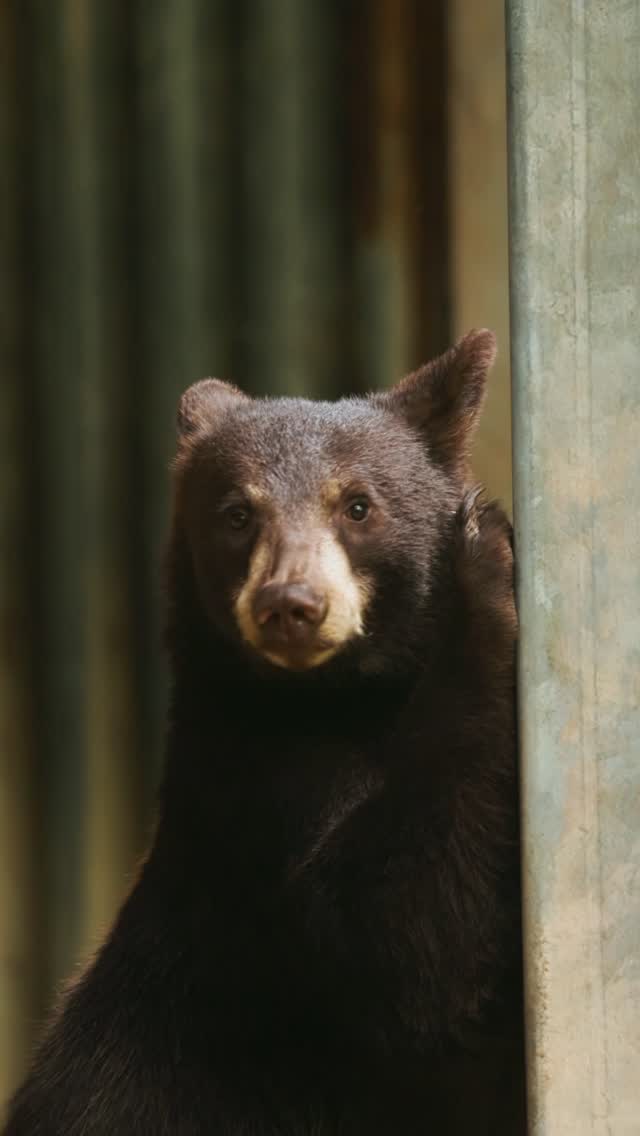
- American black bear characteristics and behavior
- The dietary habits of Little Miss Cinnamon
- The importance of conservation efforts for black bears
- The role of zoos in wildlife education and conservation
- Engaging visitors through interactive experiences
Cinnamon, our female American black bear, is a delightful creature characterized by her cinnamon-colored coat. This coloration stands out within her species, providing a visually appealing aspect that draws attention from visitors. American black bears, scientifically known as Ursus americanus, are known for their adaptability, diverse habitats, and fascinating behaviors. Cinnamon showcases many of these traits, with her bravery and sass illustrating her unique personality.
American black bears can grow up to 600 pounds and stand at six feet tall when on their hind legs. Cinnamon, however, often demonstrates her agility by climbing and exploring her environment. This climbing behavior serves multiple purposes. It helps bears escape predators, find food, and offers a vantage point for spotting potential threats. Cinnamon’s enthusiasm for climbing offers visitors a captivating view of her natural behaviors, adding to the zoo experience.
The American black bear is an omnivore, and Cinnamon is no exception. Her keepers have noted that she shares her brother’s favorite snacks: watermelon and blueberries. This is not merely a special treat; fruits provide vital nutrients and hydration sources. In the wild, American black bears consume a varied diet consisting of plants, fruits, nuts, and occasional small animals. Understanding Cinnamon’s dietary preferences highlights the importance of a balanced diet rich in vitamins and minerals for maintaining her health and vitality.
Conservation efforts play a pivotal role in preserving American black bear populations. It is estimated that their numbers in North America have declined due to habitat loss, climate change, and human encroachment. Therefore, understanding Cinnamon’s role in a zoo setting emphasizes the need for comprehensive conservation strategies. Zoos engage in breeding programs and habitat restoration initiatives to support wild black bear populations. By showcasing cinnamon and her siblings, zoos can raise awareness about these majestic animals and the threats they face, encouraging visitors to advocate for their preservation.
The importance of zoos extends beyond mere animal attraction; they serve as vital centers for wildlife education and conservation. Zoos provide a unique opportunity for people to engage with wildlife, learning about animal behaviors, diets, and habitats. Cinnamon and her brother serve as ambassadors for their species, helping to educate the public about the ecological issues that threaten black bears today. Interactive educational programs allow visitors to gain insights into the black bear’s lifestyle, their contribution to ecosystems, and the need for ongoing conservation efforts.
Engaging experiences result from well-executed zoo programs. Cinnamon’s playful interactions are designed to enhance visitor engagement. For instance, keepers regularly share feeding time with her, providing insightful commentary about her dietary habits and behaviors. These moments create a powerful bond between the bears and the audience, fostering a sense of ownership over their conservation. Children in particular enjoy watching the bears explore and play, instilling appreciation for wildlife from a young age.
The behavior of Little Miss Cinnamon is truly remarkable. Known for her brave spirit, she often climbs structures within her habitat. Climbing serves several functions; it allows her to explore her surroundings, find food, and even display strength and agility. Observing such behaviors in the controlled environment of a zoo can be a wonderful opportunity for visitors to learn about the inherent strengths and adaptations of the American black bear.
In addition to physical attributes, black bears employ a variety of vocalizations that convey their feelings. Communication is vital among bears, and understanding these vocalizations can enhance the visitor experience significantly. Cinnamon expresses her mood through various sounds, from growls to playful grunts, offering an auditory example of bear behavior that captivates onlookers. Keepers utilize this interest to further educate guests on non-verbal animal communication, making encounters with animals more meaningful.
Moreover, Cinnamon’s fascination with her diet highlights another educational component of zoo experiences. In the wild, black bears are opportunistic feeders, foraging for high-calorie foods to prepare for hibernation. In captivity, Cinnamon is provided a diet that replicates this natural foraging behavior while ensuring she receives optimal nutrition. By educating guests about the dietary needs of bears, zoos emphasize the importance of varied, nutritious diets across species.
Understanding conservation initiatives is crucial for all animal species, including the American black bear. Agencies and organizations are dedicated to studying these animals in their natural habitats and developing strategies to mitigate human-bear conflicts. These strategies include habitat preservation, public education programs, and responsible wildlife tourism practices that promote a mutual understanding between communities and wildlife.
As urban areas expand, the potential for human-bear encounters increases. It is essential to educate communities on how to coexist with bears and respect their natural behaviors. By sharing information about cinnamon and her kind, zoos can empower individuals to become advocates for wildlife, providing tools and resources necessary for fostering a respectful relationship with these magnificent creatures.
The role of zoos like ours transcends entertainment; it involves significant responsibilities in wildlife stewardship. Cinnamon is more than just a delightful sight; she serves as a living reminder of the ecological balance that exists within our environments. Her playful demeanor and interactions exemplify the need for protection and respect for wildlife.
Visitors often express admiration for Cinnamon’s personality. Her sassiness and bravery attract attention, demonstrating characteristics that people can find relatable. Animals, such as Cinnamon, bridge gaps between human life and wildlife, encouraging individuals to appreciate nature’s beauty and complexity. This connection plays an essential role in cultivating a culture of wildlife conservation and environmental stewardship.
Engaging visitors through interactive experiences fundamentally transforms the way people view zoos and wildlife conservation. Spreading knowledge about black bears, their role in ecosystems, and the significance of preserving their habitats can help build a passionate community of advocates. By providing engaging educational experiences, zoos can encourage visitors to participate in conservation dialogues and initiatives, thus creating a positive impact on wildlife preservation efforts.
The complexity of conservation extends beyond physical barriers. Education efforts must encompass cultural attitudes and behaviors that influence wildlife interactions. Cinnamon, with her captivating personality, is well-positioned to serve as a conversation starter about these pressing issues. By illuminating the threats black bears face and the importance of their conservation, we can foster a generation that values and protects our natural world.
Engagement with wildlife is an integral component of human experience. Bears, particularly those like Little Miss Cinnamon, embody the wild spirit that exists in nature. By highlighting their characteristics, behaviors, and dietary habits, zoos can facilitate profound appreciation and understanding of wildlife.
Through education and advocacy, zoos play a critical role in the conservation of species like the American black bear. The charm and personality of Cinnamon extend beyond visual appeal; they serve as catalysts for conversations about wildlife, conservation, and our shared planet. Creating a sense of stewardship is imperative for ensuring that future generations inherit a world rich in wildlife diversity.
*****
Source Description
Little Miss Cinnamon is sweet & spicy! 🥰
Cinnamon, our female American black bear, can be spotted by her pretty cinnamon-colored coat. Her keepers share that she is brave and sassy and is often seen standing or climbing all around habitat. Just like her brother, Cinnamon’s favorite snacks are watermelon and blueberries! 🍉🫐
Make sure to stop by to see our adorable cub pair soon! 🐻🤎
