
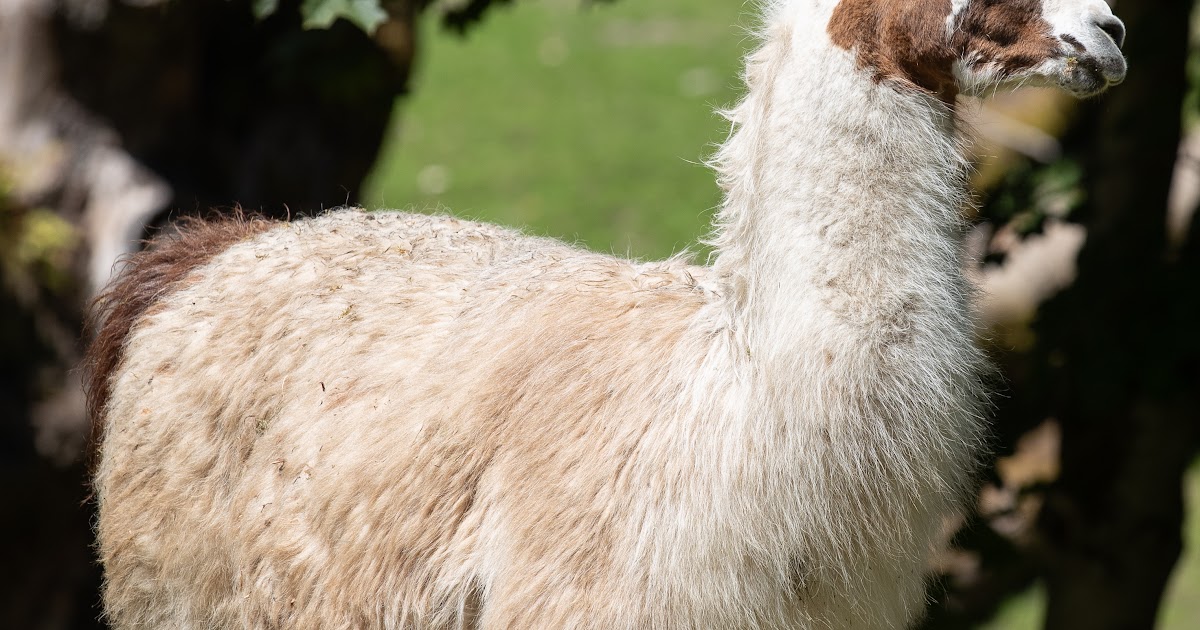
Summary of Llamas and Porcupines Welcomed to Woodland Park Zoo after being seized by Oregon officials in suspected animal neglect case:
Woodland Park Zoo has taken in three llamas and six African crested porcupines as part of an ongoing neglect case in Oregon. These animals are currently under veterinary observation and quarantine at the zoo. The llamas are visible near the Wildlife Theater, while the porcupines are in a non-public area. The zoo is an accredited member of the Association of Zoos & Aquariums (AZA) and part of the Wildlife Confiscation Network, which supports U.S. agencies in caring for seized wildlife. Additionally, Woodland Park Zoo supports the Wildlife Confiscations Network Act of 2025 to formalize this collaboration. The zoo’s efforts align with its mission to combat wildlife trafficking and provide safe environments for animals in need.
- Details of llamas and porcupines at Woodland Park Zoo due to suspected neglect case.
- Quarantine and veterinary care procedures for new animals at the zoo.
- Role of Woodland Park Zoo in wildlife conservation and partnerships.
- The importance of the Wildlife Confiscation Network in combating wildlife trafficking.
- Legislative and advocacy efforts related to animal protection and trafficking laws.
Woodland Park Zoo has become a temporary haven for three llamas and six African crested porcupines after the animals were seized by Oregon officials in a suspected neglect case. During their stay at the zoo, these animals are receiving specialized care while the legal situation unfolds. Anyone visiting the zoo might catch a glimpse of the llamas, who are being kept together in a grassy quarantine area close to the Wildlife Theater. Meanwhile, the porcupines reside in an off-view section awaiting decisions about future public display.
Upon arrival, these animals are immediately placed under veterinary observation to monitor their health. This approach reflects a standard protocol aimed at ensuring their safety and wellbeing. Quarantine measures are vital for both the incoming animals and the existing zoo population. It allows veterinarians to conduct thorough health assessments, administer necessary treatments, and decide on appropriate long-term care strategies.
Woodland Park Zoo’s involvement in this case highlights their commitment to animal welfare and conservation. As an accredited member of the Association of Zoos & Aquariums (AZA), the zoo adheres to stringent animal care standards. Their participation extends into partnerships such as the Wildlife Trafficking Alliance and the Wildlife Confiscation Network, which focus on reducing illegal wildlife trade and offering sanctuary to seized animals.
The Wildlife Confiscation Network, formed by the AZA and U.S. Fish & Wildlife, functions as a collaborative effort involving zoos and animal care facilities across the country. The goal is to provide immediate housing and medical care for animals intercepted in trafficking operations. Woodland Park Zoo has been a pivotal player in this initiative, often providing refuge for animals amidst ongoing legal proceedings.
Recently, they endorsed H.R. 3538, the Wildlife Confiscations Network Act of 2025. This legislation seeks to formalize the network and expand its reach, supporting collaborative measures against wildlife trafficking. Advocacy and legislation play crucial roles in these conservation efforts, creating a structured framework for action against the illegal trade of wildlife.
Woodland Park Zoo’s involvement in these efforts transforms their conservation mission from concept to reality, ensuring safe environments for animals that have suffered neglect or were involved in trafficking. By utilizing their resources and expertise, the zoo contributes meaningfully to wildlife protection, supporting efforts that ensure a hopeful future for rescued animals.
