
Summary of Local Crayfish Conservation 2025:
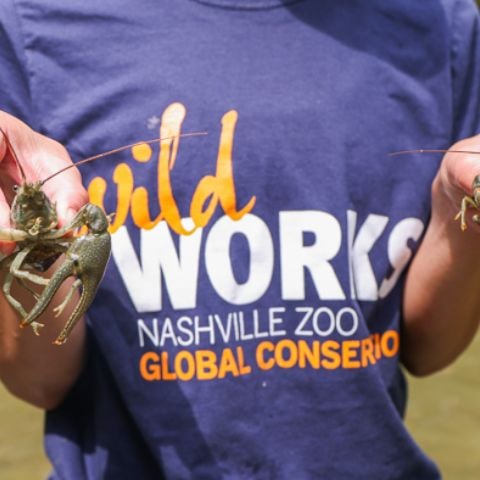
The Aquatics Team is engaged in conservation efforts focused on the endangered Nashville crayfish, a species unique to the Mill Creek area in Nashville. Since 2011, they have monitored four sites for population trends and water quality, recently documenting over 300 crayfish. This species is crucial to the ecosystem, serving as food for many animals. Conservation tips include cleaning local waterways, managing soil runoff, and preserving streamside vegetation. The team emphasizes the importance of protecting this endemic species and encourages community involvement in safeguarding local ecosystems.
- The significance of the Nashville crayfish and its unique habitat.
- The history and development of the Local Crayfish Conservation 2025 initiative.
- Ongoing monitoring and research methods employed by conservation teams.
- Community engagement and individual actions that promote conservation efforts.
- The wider ecological impact of preserving local crayfish populations.
The Nashville crayfish (Faxonius shoupi) holds immense value to its ecosystem and is crucial for maintaining local biodiversity. This small crustacean, reaching sizes of up to 7 inches, occupies a narrow geographic range limited solely to Mill Creek and its tributaries in the greater Nashville area. Notably, this species is completely endemic to Nashville, underscoring its specialized habitat needs. The International Union for the Conservation of Nature (IUCN) has classified the Nashville crayfish as endangered due to its limited distribution and vulnerability to environmental changes, especially in urbanized watersheds.
Urbanization poses significant threats to the survival of the Nashville crayfish. Polluted runoff from streets, wastewater discharges, and habitat disruption from development present serious challenges. Even a single pollution event can have dire consequences for this species due to its small local population and restricted habitat. The biological importance of Nashville crayfish extends beyond their own species; they serve as a food source for over 240 other creatures, including various fish species, raccoons, and reptiles. Maintaining healthy crayfish populations is, therefore, vital for the overall health of the ecosystem.
In 2011, the U.S. Fish and Wildlife Service provided a grant to initiate the Local Crayfish Conservation 2025 initiative, focusing on monitoring and developing conservation protocols. This project aims to collect long-term population data to understand trends and threats to Nashville crayfish. The team has consistently monitored four designated sites along Mill Creek, employing a structured method to observe changes over time. Each visit to these sites allows researchers to gather vital statistics, including the number of individuals present, size distribution, and habitat conditions. They meticulously measure and sex each crayfish and categorize them based on the type of cover they utilize, such as flat limestone slabs found in fast-moving waters.
The monitoring efforts have offered encouraging results. In June, for instance, the team recorded over 300 individual Nashville crayfish. This data not only assists scientists in tracking population dynamics, but it also serves as a benchmark for assessing environmental quality in these aquatic ecosystems. The correlation between crayfish population health and water quality highlights the importance of preserving clean waterways for both wildlife and human populations.
Community involvement plays a critical role in the success of conservation initiatives like Local Crayfish Conservation 2025. Educating local residents about the importance of keeping waterways clean contributes to the protection of Nashville crayfish habitats. Simple practices such as picking up debris before it enters streams can have a substantial impact. Additionally, minimizing pesticide use and managing soil stability are essential to keep runoff from polluting downstream waters. For those living near creeks, maintaining native vegetation along waterways can help to filter pollutants and stabilize soils, promoting healthier ecosystems.
Educational outreach efforts are integral to raising awareness about the Nashville crayfish and other local aquatic life. The Aquatics Team emphasizes how every creek, stream, and storm drain eventually connects to larger rivers. Many of these rivers serve as sources for drinking water, creating a direct link between community health and environmental stewardship. By fostering a culture of conservation, individuals can contribute to a healthier ecosystem that supports not just the Nashville crayfish, but a diverse array of wildlife as well.
Scientists emphasize that while the Nashville crayfish is small, its ecological role is substantial. These organisms help aerate sediments, contributing to nutrient cycling and enhancing water quality, which in turn supports a wide range of aquatic flora and fauna. The loss of a species, particularly one that plays such a vital role, could result in cascading effects throughout the ecosystem. Consequently, conservation initiatives focus not only on the crayfish itself but also on restoring the health of the entire aquatic ecosystem.
Ongoing research under the Local Crayfish Conservation 2025 umbrella includes studies on habitat preferences and reproduction rates. Understanding where Nashville crayfish thrive allows conservationists to identify priority areas for protection. It also furthers the collective knowledge of crustacean biology and ecology, contributing to scientific literature devoted to freshwater species.
Real-time monitoring through photographic and genetic analysis affords insights into genetic diversity among populations. Genetic diversity is a key indicator of a species’ ability to adapt to changing environments. The more genetically diverse a population is, the better its chances of surviving environmental pressures. Implementing technologies such as these enhances the overall efficacy of conservation strategies.
Local educational workshops and presentations create an opportunity for community members to engage with scientific research, fostering a shared responsibility for local natural resources. By involving citizens in conservation efforts, the Aquatics Team nurtures a sense of ownership and pride in local ecosystems. Students, families, and environmental enthusiasts participate in activities such as stream clean-ups, hands-on learning demonstrations, and data collection. These initiatives foster an understanding of the intricate balance within ecosystems and the importance of protecting local species like the Nashville crayfish.
It is essential to recognize the broader ecological implications of the Nashville crayfish’s conservation. Their role in the food web exemplifies the interconnectedness of species within aquatic environments. The preservation of this crayfish not only aids the ecosystem specific to Nashville but contributes to an expansive network of life that includes other aquatic organisms. Maintaining healthy populations promotes overall biodiversity, making ecosystems more resilient to environmental changes.
Engagement does not solely reside within the bounds of traditional conservation methods. Citizens can also take initiative by modifying land management practices. Homeowners are encouraged to minimize impervious surfaces on properties to reduce stormwater runoff, ensuring that local waterways remain clear of contaminants. Providing educational resources about land stewardship creates opportunities for sustainable practices within the community.
The role of local governments and organizations is critical to the long-term success of initiatives like the Local Crayfish Conservation 2025 project. Policies focusing on water quality, conservation easements, and pollution controls can create an environment conducive to species survival. Collaborations between various stakeholders such as local businesses, educational institutions, and non-profits can result in comprehensive strategies for sustainable resource management.
A critical point of focus remains the importance of public awareness and advocacy for local natural resources. Individuals are encouraged to champion causes related to wildlife conservation, opening discussions about the benefits of biodiversity and healthy ecosystems. Bringing attention to local species affects policy changes and promotes funding for conservation efforts. By advocating for sustainable practices in urban planning and development, citizens can play a significant role in influencing how resources are utilized and conserved.
The Local Crayfish Conservation 2025 initiative exemplifies proactive measures in local wildlife conservation. By combining rigorous scientific research with community engagement and education efforts, substantial progress can be made for the Nashville crayfish and, by extension, broader aquatic ecosystems. Continued monitoring, public advocacy, and collaborative approaches will be the keystones of successful conservation efforts in Nashville.
The preservation of the Nashville crayfish is not just an isolated issue; it embodies the larger challenge of balancing urbanization with the need for environmental stewardship. Every effort made at the community level propels a movement toward sustainable practices that benefit not only the Nashville crayfish but also the vibrant ecosystem it represents. As more individuals become aware of these species, it fosters an environment where ecological integrity and community health can thrive side by side.
