
- The anatomy and behavior of Masai giraffes
- The benefits of giraffe feeding experiences for visitors
- Conservation efforts and the ecological significance of giraffes
- Educational value of interacting with Masai giraffes
- The role of zoos in animal welfare and conservation education
Masai giraffes, scientifically known as Giraffa tippelskirchi, stand as the tallest land mammals on the planet. Their remarkable height, which can reach up to 18 feet, is not merely a product of evolutionary chance; it provides the giraffe with several advantages in its habitat. The long neck, combined with a robust but slender frame, allows these magnificent creatures to reach high foliage in trees that other herbivores cannot access. This selective feeding behavior minimizes competition for food, providing giraffes with a unique ecological niche.
The anatomy of a Masai giraffe is striking. Their long necks contain the same number of vertebrae as a human neck—just seven—albeit much longer and larger. This elongated structure not only permits browsing on elevated vegetation but also plays a critical role in mating rituals. Male giraffes often engage in a behavior called “necking,” where they swing their necks to strike one another, demonstrating strength and dominance. Females also use their necks to protect their young by warding off potential threats. Their spotted coat offers them an added advantage, acting as camouflage against predators in their natural savanna habitats.
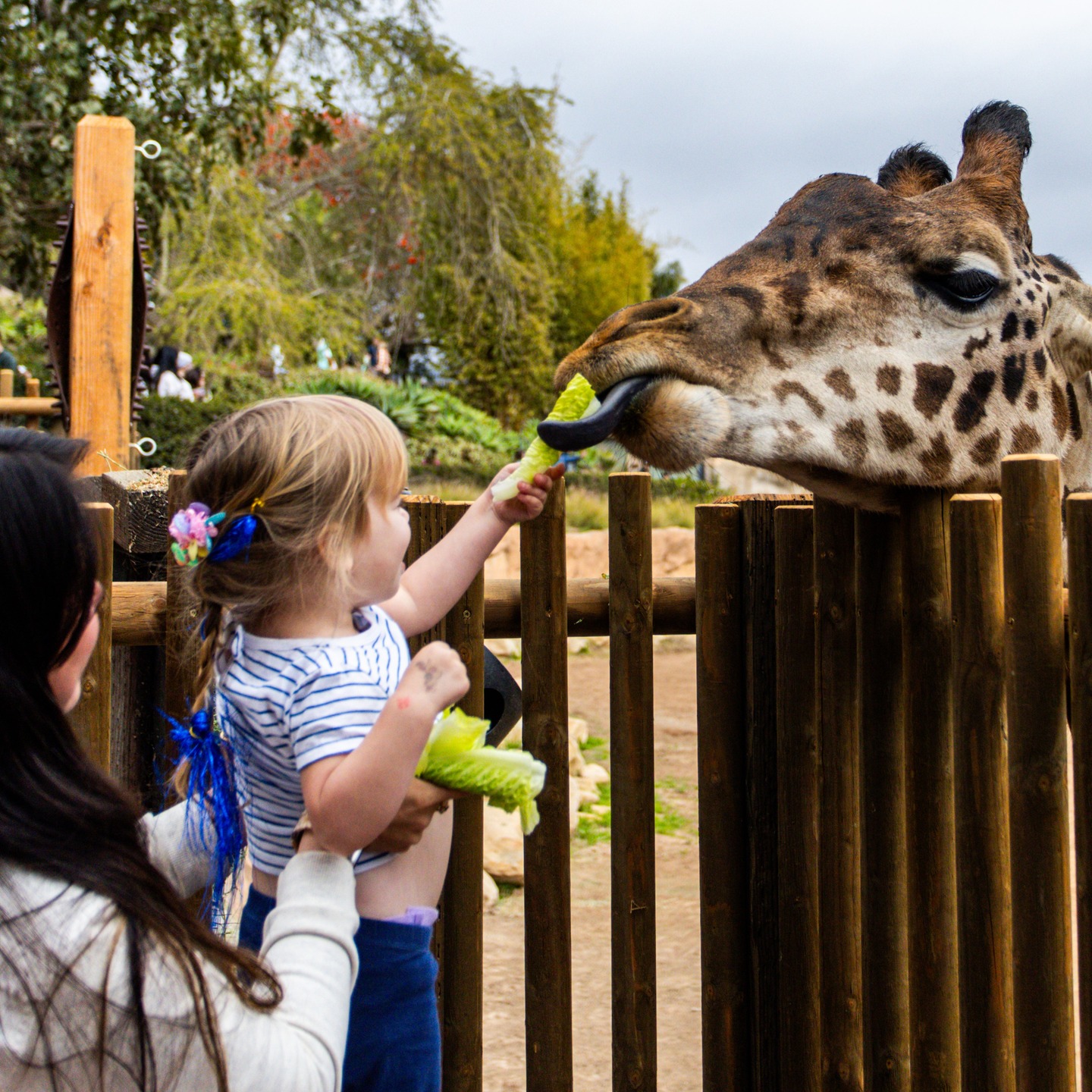
Visitors have the opportunity to get closer to these amazing animals through the Giraffe Feeding Experience. This interaction allows guests to feed the giraffes leafy greens, such as lettuce. The experience typically occurs daily, with time slots scheduled between 10:30 AM to 12:00 PM and 1:00 PM to 2:00 PM. For just $8 per person, or $5 for zoo members, participants can connect with Theo, one of the resident Masai giraffes, amidst the backdrop of a recently refreshed giraffe deck. Not only is this an enjoyable way to engage with wildlife, but it serves multiple educational purposes.
Engaging visitors in this way offers numerous benefits. It promotes animal welfare by providing opportunities for mental stimulation and enrichment for the giraffes. Feeding activities allow animals to showcase natural behaviors, enhancing their quality of life within the confines of the zoo. For visitors, this intimate setting fosters a connection to wildlife, promoting empathy and understanding of the challenges faced by these creatures in the wild.
Every interaction with a Masai giraffe contributes to raising awareness about their conservation status. Despite their impressive stature, giraffes are challenged by habitat loss, poaching, and ecological shifts due to climate change. As of today, Masai giraffes are listed as endangered, facing a steep decline in population numbers over recent decades. Education about these threats is vital for fostering a generation of environmentally conscious individuals committed to wildlife preservation.
The educational aspect of visiting a zoo cannot be overstated. Interacting with animals like the Masai giraffe offers cues that traditional methods of learning often lack. When visitors engage in experiential learning, they absorb information more effectively. For example, while feeding Theo and observing his movements, guests can learn about the giraffe’s unique adaptations, social structures, and behavioral patterns. This hands-on experience goes a long way in driving home the importance of biodiversity and conservation efforts.
The efforts of zoos extend beyond entertainment or educational activities. They play a crucial role in wildlife conservation. Accredited facilities often contribute significantly to research programs aimed at improving captive animal management, boosting population recovery efforts, and providing valuable insights into species conservation in the wild. The Masai giraffe’s predicament serves as a poignant example; zoos contribute funds and expertise to ongoing projects aimed at habitat restoration and anti-poaching initiatives in African ecosystems.
In addition to conservation, these interactions enrich the lives of visitors and the animals alike. Masai giraffes are inherently social animals, typically forming loose herds based on their current needs and surroundings. By offering opportunities for feeding and observation, zoos replicate a community-oriented environment that encourages natural behavior. The bonds formed between humans and these majestic mammals elevate the experience to one that motivates visitors to advocate for wildlife.
Careful management practices in zoos prioritize animal welfare and the conservation of endangered species. Facility staff undergo extensive training to ensure the well-being of the animals, taking into account their physiological and psychological needs. The enrichment provided to Masai giraffes, including puzzle feeders and varied diets, mimics their natural foraging behavior, thus enhancing overall health and happiness. This holistic approach appeals to animal lovers, educators, and researchers alike.
While enjoying the casual connection with a Masai giraffe, visitors also acquire a deeper understanding of the role giraffes play within their ecosystem. Giraffes serve as seed dispersers within their habitat by consuming leaves and subsequently excreting seeds in different locations. This function contributes to the health of their environment, supporting plant diversity and promoting sustenance for various species. Knowledge about such roles emphasizes the interconnectedness present in ecosystems, often lost in broader ecological discussions.
In the face of critical challenges, conservation organizations and zoos are actively working to reverse the decline in giraffe populations. As stewards of wildlife, they drive public awareness campaigns, provide essential funding for in-situ conservation projects, and often collaborate with governments and local communities to change perceptions about wildlife protection. The plight of the Masai giraffe can become a rallying point for broader discussions about biodiversity and habitat conservation.
Feeding a Masai giraffe is not just a novelty but a vital interaction that fosters a broader dialogue on wildlife and conservation. The experience invites individuals to reflect on their own roles in environmental stewardship. Engaging with these creatures and understanding the complexities of their existence allows visitors to embrace a lifestyle that prioritizes conservation, sustainability, and respect for nature.
In summary, the Masai giraffe offers more than just an opportunity for a delightful experience; it serves as a vital connection to the larger conversation about wildlife and environmental stewardship. Visitors gain insights into animal behavior, the importance of eco-systems, and the urgent need for conservation efforts. By participating in experiences like giraffe feeding, individuals become part of a larger mission to protect our planet’s biodiversity. Engaging with animals, like the Masai giraffe, creates a ripple effect, influencing attitudes and driving action towards ecological responsibility in our increasingly interconnected world.
*****
Source Description
Looking to make a new friend today? May we suggest a Masai giraffe? 🥬🤝🦒
Meet the world’s tallest land mammal at our Giraffe Feeding Experience! The deck is typically open daily from 10:30 AM to 12:00 PM and from 1:00 to 2:00 PM (pending weather and animal behavior).
Cost: $8/person, $5/SB Zoo Members.
Alt-text: A young family extends a token of friendship (a leaf of lettuce) to Theo the Masai giraffe at the recently refreshed giraffe deck.
