
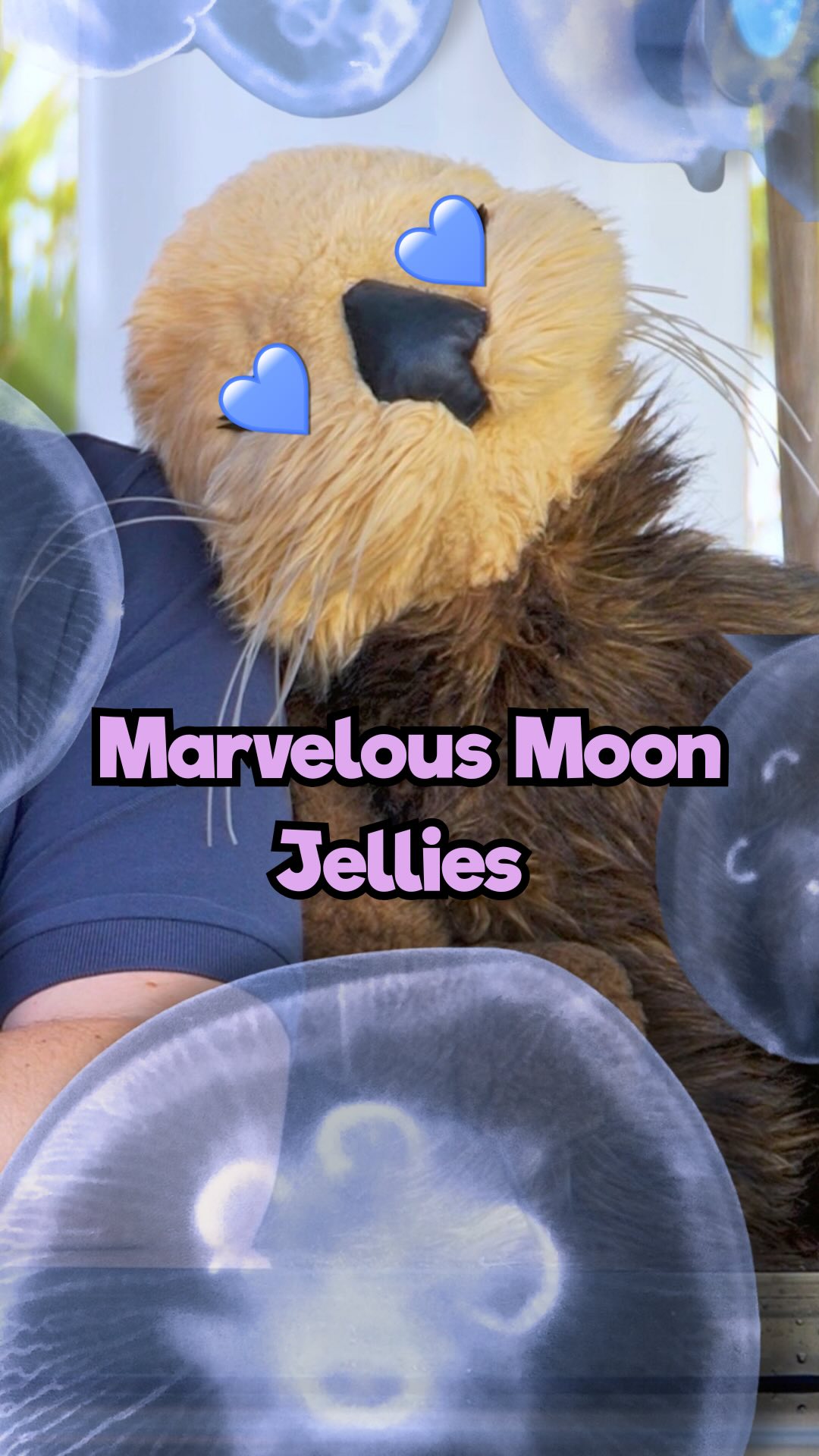
- Luke and Elsie’s encounter in the Moon Jelly Touch Lab
- Understanding moon jellies and their biology
- Interactive learning experiences in wildlife conservation
- The significance of touch labs in zoos and aquariums
- Promoting conservation awareness through education
Luke and Elsie Otter’s visit to the Moon Jelly Touch Lab provides an enlightening glimpse into the fascinating world of marine biology. As they explore the delicate structure of moon jellies, their excitement reflects the wonder of discovery that education can inspire. This experience highlights the importance of hands-on learning in promoting an understanding of wildlife.
Moon jellies, scientifically known as Aurelia aurita, are among the most recognizable jellyfish species due to their translucent, umbrella-like bell and delicate tentacles. They inhabit coastal waters around the world and primarily thrive in temperatures ranging from 49 to 75°F. These creatures are interesting for their simple anatomy, comprised largely of water—approximately 95%—and gelatinous tissues. They possess a unique method of locomotion; by rhythmically contracting their bell, they propel themselves through the water in a graceful ballet. This propulsion mechanism is efficient, allowing them to travel considerable distances with minimal energy expenditure.
Understanding the biology of moon jellies offers insights into their ecological role. They serve as both predators and prey in their marine environments. Moon jellies feed on small planktonic organisms, which they capture using their tentacles laden with stinging cells, called nematocysts. While they may seem innocuous, these stinging cells can deliver a mild sting to humans. This ecological balance fosters a diverse marine ecosystem, wherein moon jellies contribute to oceanic food webs.
Luke and Elsie’s interaction with moon jellies at the Moon Jelly Touch Lab transforms traditional learning methods, providing a tangible experience. Touch labs in zoos and aquariums play a vital role in wildlife conservation by allowing visitors to engage with animals in a safe and educational environment. These interactive exhibitions encourage visitors to appreciate marine life while understanding the importance of preserving aquatic habitats.
Educators often emphasize that direct interactions can foster compassion and awareness for wildlife among younger audiences. By allowing Luke and Elsie to touch and interact with moon jellies, the lab provides a unique opportunity to spark curiosity and promote active learning. This effective approach helps instill values of conservation and environmental stewardship in younger generations.
The concept of touch labs centers on making learning enjoyable. The tactile experience of feeling the gentle pulsations of a moon jelly fosters a deeper connection with nature. Children like Luke and Elsie are likely to leave with memorable impressions that shape their perspectives on marine ecosystems and conservation initiatives.
In conjunction with hands-on learning, various educational programs reinforce the significance of wildlife preservation. Many institutions encourage visitors to contribute to conservation efforts through engaging exhibits, workshops, and volunteer opportunities. This type of community engagement has a ripple effect; a child inspired by moon jellies can grow into an advocate for marine conservation.
The role of zoos and aquariums extends beyond entertaining visitors. Institutions often collaborate in global efforts to conserve species and habitats. As Luke and Elsie interact with moon jellies, they embody the future generation of conservationists who will champion the protection of marine resources.
Touch labs also serve as platforms for broader discussions on marine conservation issues. Topics such as habitat loss, climate change, and the impact of pollution on marine life can be explored within an interactive framework. Using moon jellies as an entry point, educators can present compelling narratives about their vulnerability in an ever-changing environment.
As the engagement builds between Luke, Elsie, and the moon jellies, their curiosity about the ocean can expand into broader environmental concerns. Water pollution, for instance, poses a significant threat to moon jelly populations and marine habitats alike. Understanding this link opens up discussions about human behavior and its implications for the natural world.
The Moon Jelly Touch Lab experience not only nurtures enthusiasm for marine biology but also emphasizes the need for individual responsibility in protecting our planet. Awareness of the effects of plastics on ocean ecosystems is critical. Marine debris can disrupt jellyfish populations and harm other aquatic species.
Furthermore, engaging with visitors on these topics can encourage sustainable practices. Simple actions, such as reducing plastic use, can collectively lead to significant environmental benefits. Activities like beach clean-ups further reinforce the importance of community involvement in conservation efforts. Inspired by their experience, Luke and Elsie are empowered to take action and educate their peers.
The shift toward interactive learning exemplifies how institutions can adapt in the face of challenges. As the global community grapples with environmental crises, zoos and aquariums increasingly emphasize education as a tool for change. This focus drives innovation in how these facilities develop programs and exhibits, aiming not only to inform but also to inspire action.
The importance of moon jellies in the wider marine ecosystem extends to their roles in studies related to climate mapping and ecological health assessments. Scientists often monitor jellyfish populations to understand changes in ocean conditions, as fluctuations in their numbers can indicate shifts in marine health.
Through their joyful interaction at the Moon Jelly Touch Lab, Luke and Elsie embody the positive outcomes of educational initiatives that emphasize marine life. Their experience serves as a model of how hands-on learning can cultivate a sense of responsibility for protecting marine ecosystems, ensuring that future generations cherish and protect the oceanic environments that sustain our planet.
Educational institutions focus on making these experiences memorable. The Moon Jelly Touch Lab has the potential to become a cornerstone of learning about marine ecosystems, linking fun with vital lessons on conservation. The message is clear: every interaction with nature can spark a movement toward environmental stewardship.
In summary, Luke and Elsie’s moment of discovery at the Moon Jelly Touch Lab is more than just an encounter; it’s a pivotal experience that highlights the intersection of education, conservation, and marine biology. By engaging with moon jellies in such an interactive setting, Luke and Elsie’s newfound curiosity can lead to strong advocates for marine protection. The significance of touch labs goes far beyond initial education; they lay the groundwork for ongoing environmental awareness and action.
*****
Source Description
Luke and Elsie Otter share a moment of discovery at the Moon Jelly Touch Lab. For starters, those aren’t contact lenses for whales 🐳
