
- The role of Luna content in improving mood and productivity.
- Insights into animal behavior that captivate audiences.
- The importance of engaging educational content in conservation.
- How the presentation style of Luna content resonates across demographics.
- The impact of social media in promoting wildlife awareness.
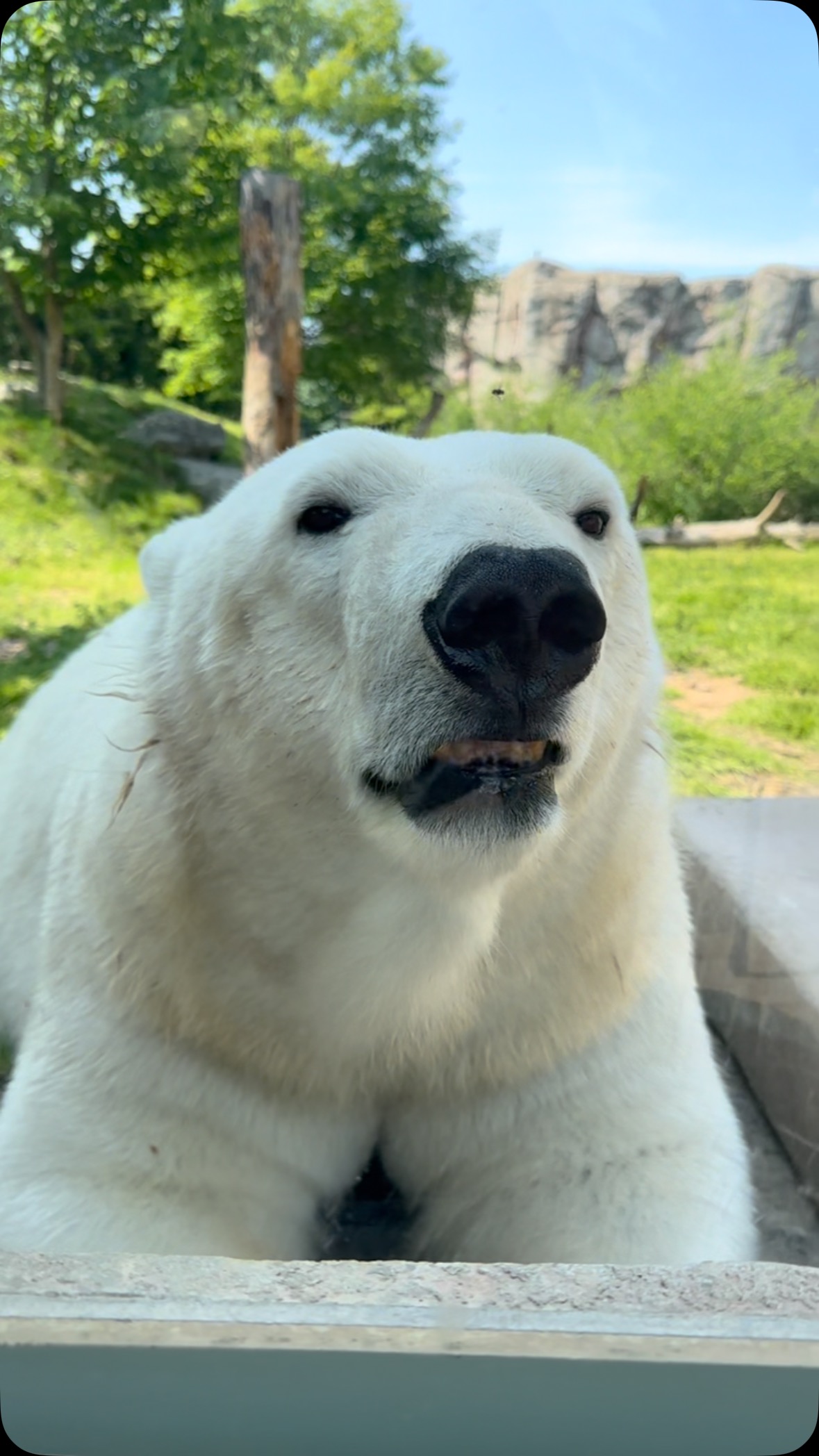
Luna content has become synonymous with making Mondays infinitely better through engaging and enjoyable educational material. Its approach significantly enhances the mood and productivity of viewers, especially as they transition from the weekend back to work. The blend of humor, educational insights, and captivating visuals offers a refreshing way to start the week.
Research indicates that mood can directly influence workplace productivity. Engaging content like Luna’s helps alleviate the stress associated with the beginning of the workweek. For instance, short, entertaining animal videos or live streams featuring wildlife allow individuals to connect with nature, leading to increased feelings of happiness and relaxation. This interaction with wildlife prompts a sense of awe and curiosity, which is essential for maintaining motivation throughout the week.
Animal behavior, a core component of Luna content, provides extensive learning opportunities that captivate audiences. The more we understand various species and their interactions, the better equipped we are to appreciate and safeguard our biodiversity. Content that features unique behaviors—such as the intricate dance of a courting bird or the strategic hunting techniques of a predator—can spark interest and inspire viewers to learn more.
In addition, the way Luna presents this content is crucial. Short videos or captivating reels often utilize bright visuals, lively narration, and clever editing. These elements work collectively to retain attention and convey information in a digestible manner. This is especially important for younger demographics who may prefer bite-sized content over lengthy articles or documentaries.
Moreover, engaging educational content plays a vital role in wildlife conservation. By reaching broad audiences, it is possible to cultivate a greater respect for wildlife and habitat preservation. Videos that highlight endangered species or conservation efforts can create an emotional connection with viewers, making the cause more relatable. People are often more motivated to act when they see the animals that may be affected by climate change or habitat loss, driving a deeper understanding of why conservation matters.
The demographics drawn in by Luna content are diverse. From students to professionals, audiences vary widely, granting insights that speak across age and interest barriers. This approach amplifies the reach of meaningful messages, driven home by humor and emotion. Viewers often share their favorite pieces, amplifying the message to their own social circles.
The impact of social media on wildlife awareness cannot be overstated. Platforms like Instagram and TikTok are powerful tools for spreading information. People often engage more readily with entertaining content, allowing educational insights to seep in during moments of leisure. Social media facilitates connections between audiences and wildlife experts, fostering dialogues that enhance knowledge. This interaction is crucial, as it invites diverse perspectives and leverages community efforts toward shared goals.
The combination of humor and expertise is perfectly reflected in Luna’s content. Captivating visuals paired with lighthearted commentary create a unique atmosphere of learning. For instance, when discussing animal parenting techniques, noticeable affection and nurturing behaviors can become topics of discussion. This fun approach encourages audiences to share and discuss, turning casual viewers into informed advocates for wildlife conservation.
Additionally, the scientific community benefits from Luna content. It serves as an entry point for viewers interested in zoology and wildlife management. Encouraging curiosity can lead aspiring students toward educational paths that focus on conservation and animal sciences. It aligns with the critical need to foster a new generation interested in understanding ecosystem dynamics and conservation techniques.
Furthermore, audiences often crave novelty. Luna’s content consistently delivers fresh and exciting perspectives. Regular updates on animal behavior and conservation initiatives keep the content relevant and engaging. As a result, it is not just the animals themselves that attract attention; it is the conversations they spark. Topics range from dietary habits to mating rituals, enabling a broader understanding of how species adapt to their environment.
Even familiar animals showcase behaviors that are illuminating. For example, many viewers are unaware that elephants have complex social structures that include intricate communication methods. Addressing such topics in an engaging manner captivates the audience and fosters a greater appreciation for the diversity within the animal kingdom.
Another significant highlight of Luna content is its inclusivity. By featuring voices from various backgrounds, it creates an environment where everyone feels represented. This approach helps normalize conversations around conservation that may otherwise seem less approachable. The greater the personal investment in storytelling, the much more likely audiences are to participate in conservation efforts.
Seasonal changes also bring a unique opportunity for Luna content. The seasonal migrations of animals, the transformation of ecosystems, or changes in animal behavior can serve as fascinating topics. Public interest can be spiked with timely content that evokes curiosity and appreciation for natural cycles. When people feel connected to specific seasons or animal patterns, it reinforces the importance of being responsible stewards of the environment.
In this way, Luna content acts as an educational platform that transcends the boundaries of traditional learning. Its informal style of delivery has been proven to enhance retention rates significantly. Viewers are more likely to remember key facts about animal behavior when those insights are presented in an entertaining format.
Behavioral studies of various species often reveal that curiosity is a fundamental trait shared among many animals. People share this trait as well. Real-life stories about unusual behaviors can evoke empathy and intrigue, leading to discussions about animal welfare or ecosystem management. Luna captures this emotional aspect beautifully, utilizing storytelling to forge relatable connections with its audience.
Collaboration with conservation organizations amplifies Lunas’s content’s impact. By partnering with zoos, wildlife shelters, or environmental NGOs, the collaboration provides a platform for a greater exchange of knowledge. This synergy allows for awareness campaigns that shed light on local and global conservation issues. Followers of Luna may become advocates for species that they were previously unaware of, reinforcing the ripple effect of awareness.
Luna content doesn’t shy away from the hard truths associated with wildlife conservation. Issues like poaching, habitat destruction, and climate change are often featured in the narrative. By doing so, audiences become informed about the challenges facing wildlife. This educational approach creates a sense of urgency and responsibility among viewers.
For example, a well-produced segment about the effects of deforestation not only showcases those detrimental impacts but can also present actionable steps viewers can take to contribute to solutions, such as supporting sustainable products or conservation initiatives. This action-oriented content further contributes to audience empowerment.
The potential for local action is immense. By providing resources and suggestions on how to engage with conservation efforts, Luna content fosters community involvement. People often feel inspired to organize local clean-ups, tree plantings, or educational workshops. When the audience engages in such initiatives, they translate the knowledge they’ve gained into tangible results.
The innovative presentation of educational content creates memorable experiences for participants. In-person encounters at conservation events, wildlife tours, or immersive exhibits compliment the Luna content experience. This multi-faceted approach ensures that knowledge extends beyond the screen and seeps into everyday conversations.
Educational content has the potential to transform mindsets about the environment and wildlife. By making Mondays better through engaging and informative visuals, Luna effectively bridges the gap between entertainment and meaningful learning. The power of storytelling, combined with scientific data, enhances public understanding and appreciation for wildlife.
The synergy of entertainment, education, and conservation can ultimately shape a new cultural narrative focused on coexistence with nature. By harnessing the benefits of popular media, it becomes possible to enlist broader support for conservation efforts on both local and global scales.
Elevating awareness about wildlife issues transforms passive viewers into proactive participants. As Luna content makes Mondays infinitely better, it instills hope about the future of wildlife conservation and the role individuals can play in safeguarding our planet. Each interaction with this captivating content signifies a step forward in making a more informed and compassionate world for all living beings.
*****
Source Description
Luna content makes Mondays infinitely better. Source: trust us 🤪
