
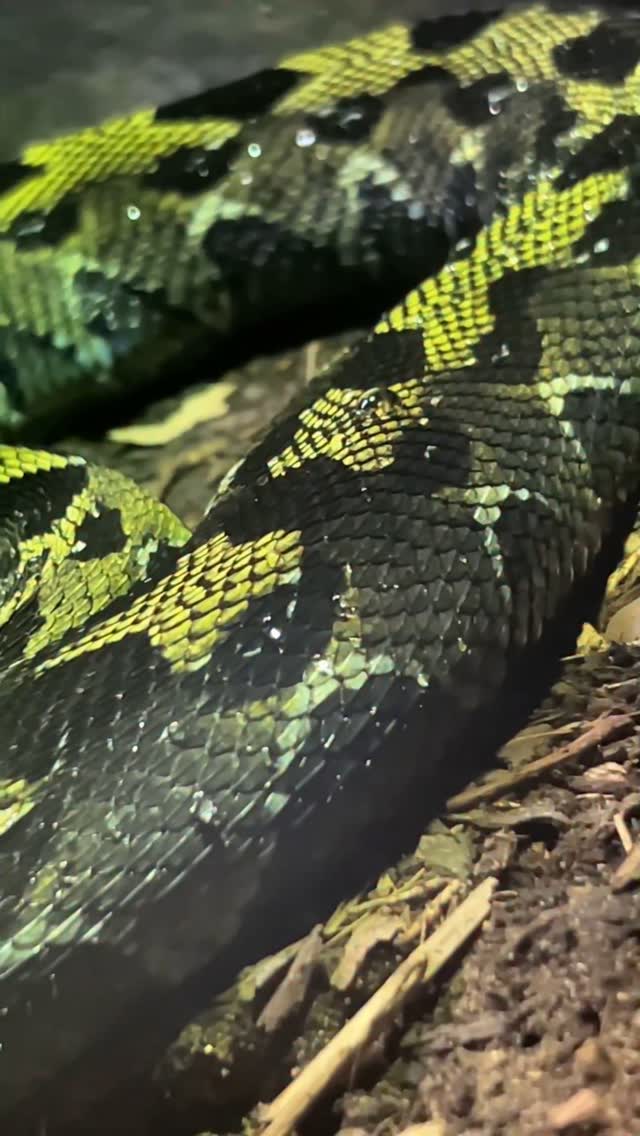
- The significance of the Lunar New Year and its cultural implications
- An overview of the Year of the Snake and its attributes
- The biological characteristics and ecology of snakes
- Conservation efforts related to snakes and their habitats
- Traditional customs and celebrations associated with the Lunar New Year
Lunar New Year marks a significant cultural event celebrated by millions around the globe. This festival, rooted in ancient traditions, signifies the beginning of a new year based on the lunar calendar. In various Asian countries like China, Vietnam, and Korea, festivities can last up to 15 days. Families gather for traditional meals, honor ancestors, and share hopes for the year ahead. The customs surrounding the holiday may vary, but the essence remains universal: renewal, prosperity, and togetherness.
Now, as we step into the Year of the Snake, it’s essential to understand what this symbolizes. In various cultures, particularly in Asian traditions, the snake is often seen as a symbol of transformation and resilience. It represents qualities such as cunning, wisdom, and the ability to adapt. Those born in the Year of the Snake are often described as enigmatic, intelligent individuals known for their reflective nature.
Biologically speaking, snakes are fascinating creatures. They belong to the order Squamata, which includes over 3,000 species. These reptiles range from the tiny, 10-inch thread snake to the massive anaconda, which can grow up to 30 feet long. Snakes have evolved in diverse environments, making them exceptionally adaptable. Their elongated bodies allow them to navigate through various terrains, whether in trees, deserts, or oceans.
Snakes exhibit a range of fascinating adaptations. For instance, some species possess unique camouflage that aids in hunting and evading predators. Others are venomous, with fangs that can deliver potent toxins to immobilize prey or defend against threats. However, the majority of snakes are non-venomous and rely on constriction or ambush tactics. Their diet typically consists of rodents and small animals, making them key players in controlling those populations.
From a conservation perspective, snakes face numerous threats. Habitat destruction, climate change, and poaching are significant factors contributing to their declining populations. Many species are now classified as endangered, prompting urgent calls for action from conservation groups. Efforts such as habitat restoration and public education play a crucial role in preserving these vital animals. Raising awareness about the ecological importance of snakes can lead to better protection measures.
Celebrations during the Lunar New Year also showcase the connection to nature and animals. In many cultures, specific animals are believed to bring good fortune based on their traits. The snake, with its attributes of renewal and transformation, symbolizes the potential for personal growth. Many families will decorate their homes, cook traditional foods, and participate in rituals designed to invite prosperity into the coming year.
Food plays an integral role in the Lunar New Year celebrations. Dishes that represent prosperity and luck are often served, including dumplings and fish. In some cultures, eating long noodles symbolizes longevity, and certain sweets are enjoyed for a sweet year ahead. Each dish serves as a reminder of cherished traditions and the hopes we carry into the new year.
Additionally, various traditions are observed through the Lunar New Year festivities. Fireworks light up the night sky, representing the drive to scare away evil spirits. Dragon and lion dances are also commonly staged to honor family ancestors and bring good luck. Additionally, the giving of red envelopes filled with money symbolizes prosperity and good fortune.
Understanding the interplay between cultural practices and the natural world adds depth to our conversations about adaptation and resilience. The snake as a symbol of renewal resonates not only with personal aspirations for the new year but also with our collective responsibility towards wildlife conservation. As we celebrate, we are reminded of our connection to nature and the importance of maintaining a balanced ecosystem.
Amidst the vibrant celebrations of the Lunar New Year and the significance of the Year of the Snake, there lies a crucial message about wildlife protection. Snakes, often misunderstood, play an essential role in our ecosystems. They maintain the balance of various species by controlling rodent populations and thus contributing to the health of their habitats.
The Year of the Snake encourages us to embrace transformation, not only in our personal lives but also in how we view and interact with the environment. Understanding the biological significance of snakes allows us to appreciate their role in biodiversity. This appreciation must translate into actionable conservation efforts that support habitat preservation and species protection.
As we embark on this new year, let us aim to foster a deeper understanding of the animals that inhabit our world. Taking the time to learn about snake conservation can enrich our experiences during the Lunar New Year. It fosters a narrative of care and protection, reinforcing that our celebrations should also encompass advocates for wildlife.
In summary, the Lunar New Year is a time for celebration, reflection, and renewal. The Year of the Snake, imbued with rich symbolism and biological significance, represents qualities we all aspire to achieve. By recognizing the importance of snakes in our ecosystems and advocating for their conservation, we align our values with actions. Celebrating the Lunar New Year takes on a new dimension when we consider its implications for our natural world and species like the snake, inviting us to participate in their preservation.
*****
Source Description
Today marks the Lunar New Year and the beginning of the Year of the Snake 🐍
In some cultures, snakes represent renewal, growth, transformation and longevity.
Wishing a happy to those who celebrate!
