
- The significance of the Lyrid Meteor Shower and its historical context
- What to expect during the peak night of April 21-22
- Understanding the science behind meteors and fireballs
- Viewing tips and locations for optimal experience
- The broader implications of meteor showers on Earth’s environment
The Lyrid Meteor Shower is a spectacle that captivates stargazers every year, particularly as it peaks overnight from April 21 to 22. This celestial event has been observed for over 2,700 years, offering a fascinating glimpse into the rhythms of our universe. Each hour during the peak, observers can expect to see approximately 18 meteors streak across the sky, some so bright they are classified as fireballs. This annual event invites enthusiasts and curious individuals alike to step outside and behold the beauty of cosmic interactions.
The historical context of the Lyrid Meteor Shower adds layers of significance to this astronomical event. The earliest recorded observations date back to 687 BC, making the Lyrids one of the oldest observed meteor showers. Ancient cultures, including the Chinese and Greeks, held interpretations of meteor showers that encompassed both scientific curiosity and mythological significance. They considered these celestial displays as omens or messages from the gods. Over centuries, these observations have shifted towards a scientific understanding grounded in astronomy, allowing for a more accurate grasp of when and how these meteor showers occur.
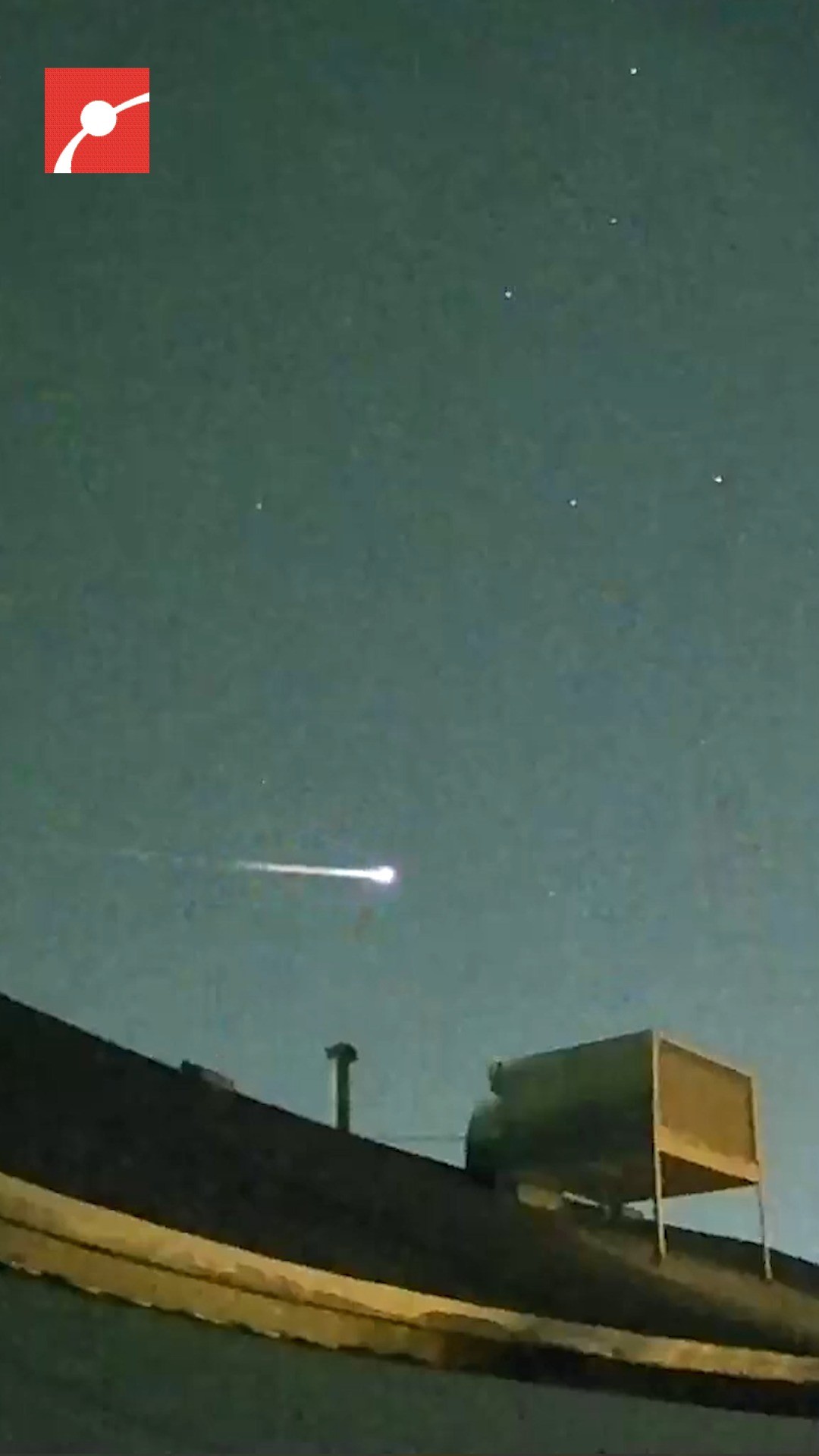
During the peak of the Lyrid Meteor Shower, stargazers will witness a remarkable display. The meteors originate from the comet C/1861 G1 Thatcher, which leaves trails of dust and debris as it orbits the sun. Each year, Earth plows through this debris field in mid-April, leading to a dazzling array of shooting stars. Observers may find that some meteors appear brighter and longer-lasting than others, creating what astronomers refer to as fireballs. Such bright meteors are often the result of larger particles entering the atmosphere and burning up at high altitudes. This year’s event promises around 18 meteors per hour at peak times, providing a rich experience for anyone who gazes into the night sky.
Getting the most out of the Lyrid Meteor Shower requires a few tips for observers. Selecting a location with minimal light pollution can significantly enhance the viewing experience. Areas far from urban lights, such as parks, mountains, or open fields, are ideal. It is advisable to lay back comfortably on a blanket or reclining chair, allowing your eyes to adjust to the darkness. Being patient is equally crucial; meteors may appear sporadically, and dedicated observers will have a better chance of witnessing more meteors. Clear nights are optimal, so checking the weather forecast before the event is wise.
In addition to the sheer beauty of the Lyrid Meteor Shower, understanding the science behind meteors adds depth to the experience. Meteors, often called shooting stars, are not stars at all. They are small particles from comets or asteroids entering Earth’s atmosphere. As these particles collide with atmospheric gases, they create a luminous trail as they burn up, resulting in what we see as a meteor streaking through the sky. Fireballs, the more dazzling manifestations of this phenomenon, occur when larger fragments of space debris explode due to friction with the atmosphere. Such events contribute to our understanding of cosmic materials and can even shed light on the materials that make up our solar system.
Furthermore, the implications of meteor showers extend beyond mere entertainment. A study of meteor showers can offer practical insights into Earth’s environment and cosmic phenomena. For instance, analyzing the composition of meteors can help scientists understand the evolution of our planet and the solar system as a whole. Additionally, meteor showers serve as a reminder of the vastness of the universe, encouraging individuals to contemplate humanity’s place within it. The Lyrid Meteor Shower, while a splendid sight to behold, also catalyzes interest in space science, astronomy, and environmental stewardship.
Participating in such celestial spectacles fosters a sense of connectivity with the universe. It invites individuals to appreciate the intricate balance of cosmic forces. As millions of people turn their gaze toward the skies to watch meteors during the Lyrid Meteor Shower, they all share a common experience, transcending geographical and cultural barriers. Moments like these can inspire a greater commitment to understanding and preserving our environment, further emphasizing humanity’s role in the ecological framework of Earth.
In sum, the Lyrid Meteor Shower is not merely a visual phenomenon; it is a confluence of history, science, and community. As you prepare to observe this dazzling display on April 21-22, consider the layers of meaning and significance that accompany each meteor. With every shooting star, you engage with a long human tradition of looking to the skies, contemplating our existence, and elevating our understanding of the universe we inhabit. By understanding and appreciating the Lyrid Meteor Shower, we enrich our knowledge of the cosmos while simultaneously fostering an awareness of our responsibility to protect our environment for future generations.
*****
Source Description
18 meteors per hour are headed your way! ☄️
The Lyrid Meteor Shower peaks overnight on April 21-22 This shower has been lighting up the sky for 2,700 years, and some meteors are so bright they’re called fireballs!
