
- Macaws as a type of parrot: their classification and characteristics
- The biology and behavior of blue and gold macaws and red and green macaws
- The role of zoos in wildlife conservation and education
- The experience of observing these magnificent birds at OdySea
- Conservation efforts and challenges facing macaw populations
Macaws as a type of parrot: their classification and characteristics
Macaws, some of the most recognizable and eye-catching members of the avian world, belong to the parrot family, scientifically categorized under the family Psittacidae. While often considered synonymous with exotic beauty, macaws are much more than just a colorful spectacle. They are a diverse group of species, each with unique adaptations and traits that contribute to their survival in various environments.
Characterized by their impressive size, macaws are among the largest members of the parrot family. Their vibrant plumage, varying from rich blues and golds to striking reds and greens, helps them blend into the bright foliage of their native habitats. This coloration is not merely for show; it serves as camouflage, a vital survival trait in the dense rainforests they inhabit.
Macaws possess strong, curved beaks that are incredibly efficient at cracking open nuts and seeds, their primary food source. This beak, combined with their zygodactyl feet—two toes pointing forward and two backward—allows them to expertly handle and manipulate food. Their intelligence parallels their physical attributes, making them capable of complex social interactions and problem-solving tasks.
The biology and behavior of blue and gold macaws and red and green macaws
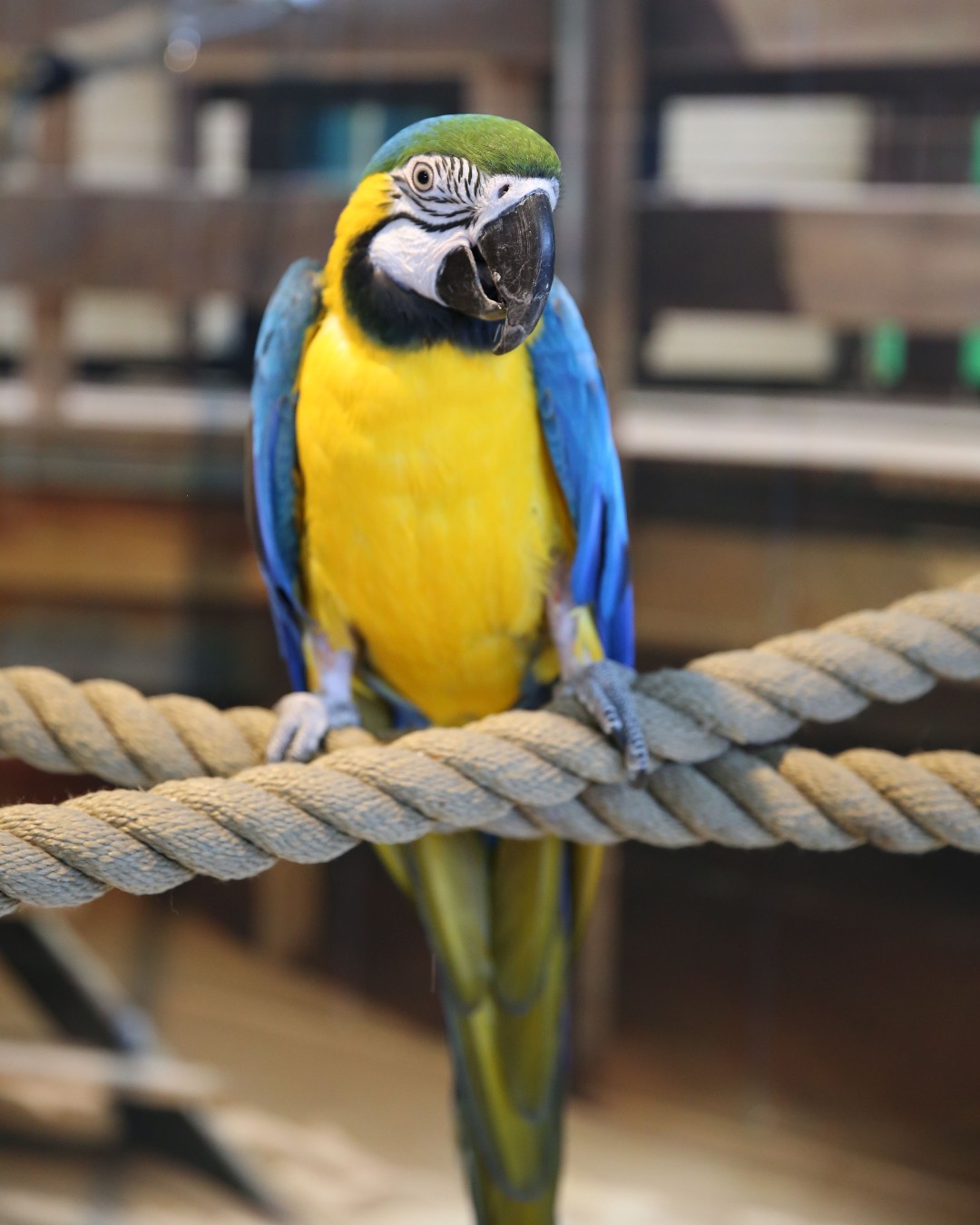
The blue and gold macaw (Ara ararauna) is a magnificent bird, instantly recognizable by its vibrant blue and golden-yellow plumage. These birds are known for their social nature, often seen flying in pairs or small family groups. Their vocalizations are a mix of squawks and screams, used for communication across long distances in the wild. Blue and gold macaws form strong pair bonds, with mating partners staying together for life—a testament to their complex social structures.
On the other hand, the red and green macaw (Ara chloropterus), sometimes known as the green-winged macaw, boasts a striking red, green, and blue plumage. These birds are one of the largest parrots, with wingspans stretching over three feet. Their behavior is akin to the blue and gold macaws, demonstrating high levels of intelligence and social interaction. Both species are cavity nesters, typically choosing tall trees where they can safely rear their young away from predators.
These macaws’ diet in the wild includes a variety of fruits, seeds, and nuts, supplemented by occasional insects and small invertebrates. In captivity, like the OdySea facility, they enjoy a carefully curated diet designed to mimic their natural feeding habits while ensuring nutritional balance.
The role of zoos in wildlife conservation and education
Zoos play a crucial role in the conservation of many species, including macaws. Facilities like OdySea are not just entertainment venues; they are centers of research, education, and conservation. These institutions provide safe havens for species threatened by habitat loss, illegal pet trade, and other anthropogenic factors.
Educational programs at zoos help raise awareness about the plight of these birds in the wild. By observing macaws like Calypso and Makani, visitors can learn about the importance of preserving biodiversity. Such exposure often fosters a connection and a sense of responsibility towards wildlife conservation.
Breeding programs are another critical component of zoo conservation efforts. They help maintain genetic diversity and, in some cases, facilitate reintroduction programs that aim to bolster wild populations. These initiatives require meticulous planning and international collaboration to be effective.
The experience of observing these magnificent birds at OdySea
Visiting OdySea provides a unique opportunity to observe macaws up close. The facility is designed to replicate the birds’ natural environment, allowing them to exhibit authentic behaviors. Observing Calypso, the blue and gold macaw, reveals the grace and intelligence of these creatures, as they interact both with their habitat and visitors.
Makani, the red and green macaw, offers a spectacle of color and personality, captivating audiences with displays of agility and curiosity. These interactions aren’t merely passive; they engage visitors in understanding the life cycles, habitat requirements, and conservation needs of these birds.
OdySea’s commitment to educational engagement ensures that every visit is informative and impactful. By highlighting the stories of each macaw, the facility underscores the critical role these birds play in their ecosystems and the challenges they face due to human activities.
Conservation efforts and challenges facing macaw populations
Despite their beauty and appeal, macaws face numerous threats in the wild. Deforestation is a primary concern, as it leads to habitat loss. Large-scale agricultural expansion and logging disrupt the delicate balance of the ecosystems macaws call home. Furthermore, illegal trapping and the pet trade continue to pose significant risks to their populations.
Conservation efforts are multifaceted, involving habitat protection, legal frameworks, and community-based initiatives. International and local organizations work tirelessly to implement strategies that protect these birds and their habitats. Successful efforts include establishing protected areas and fostering sustainable practices that benefit both wildlife and local communities.
Research is fundamental in these conservation efforts. Understanding the ecological role of macaws, their breeding habits, and population dynamics enables more strategic conservation planning. Zoos and aquariums contribute valuable data and resources, creating a network of support for ongoing conservation initiatives.
By visiting places like OdySea and participating in conservation programs, individuals contribute to the broader effort to preserve these stunning macaws and their habitats. Education, awareness, and responsible tourism are key components in safeguarding the future of these vibrant members of the parrot family.
*****
Source Description
Did you know that these stunning macaws are actually a type of parrot? 🦜 These vibrant beauties are some of the parrot family’s largest and most colorful members! 🤩
Meet Calypso, our gorgeous blue and gold macaw (first picture), and Makani, one of our striking red and green macaws (second picture)!
Keep an eye out for these two during your next visit to OdySea! ✨
