
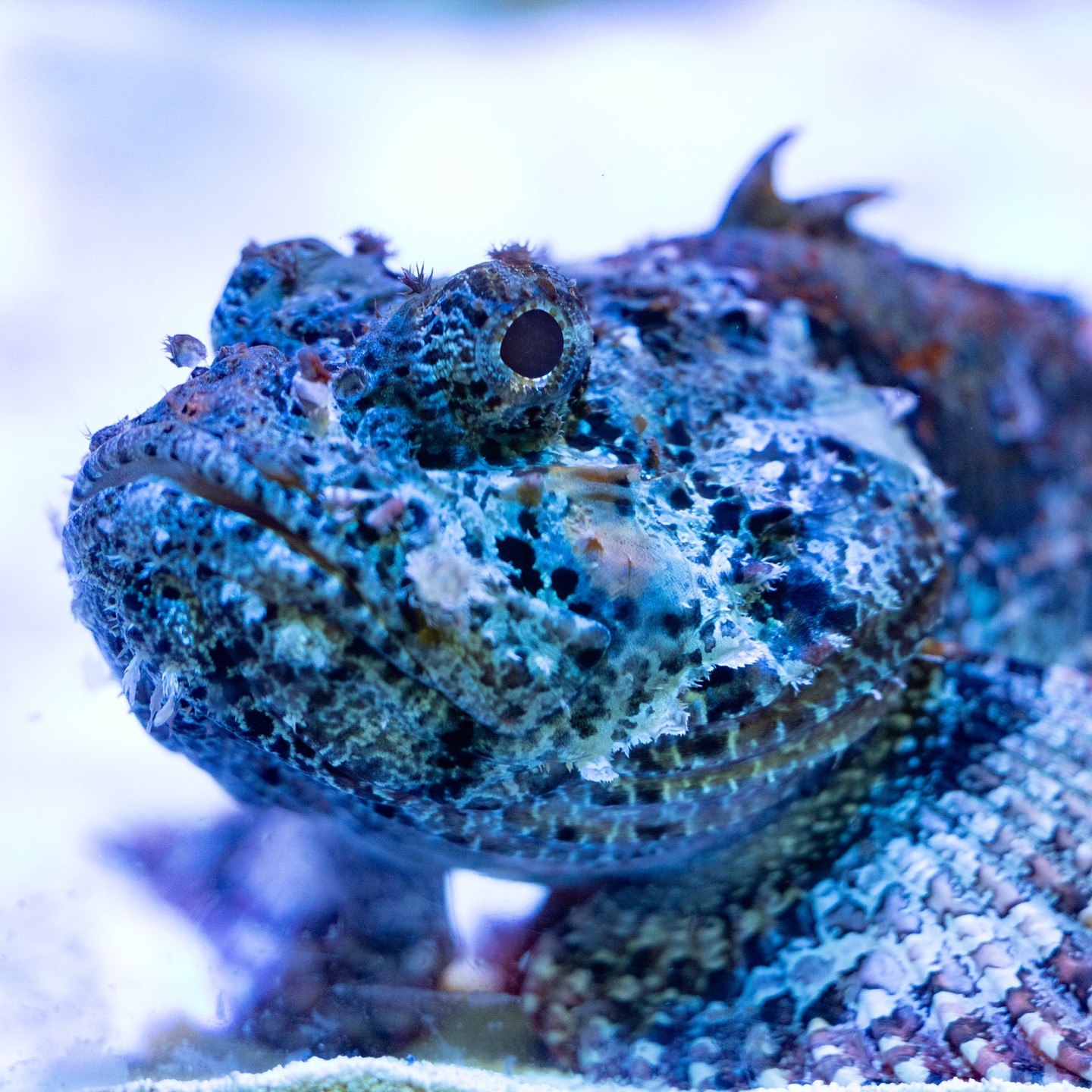
- Adaptations of the Spotted Scorpionfish for Ambush Predation.
- Camouflage and Habitat in Coral Reefs.
- Defensive Mechanisms: Venomous Spines.
- Behavior and Feeding Strategies.
- Conservation and Ecological Significance.
Adaptations of the Spotted Scorpionfish for Ambush Predation
The spotted scorpionfish, scientifically known as Scorpaena plumieri, exemplifies exceptional adaptations as an ambush predator. Equipped with intricate patterns and textures, their skin serves not only as camouflage but as a testament to evolutionary ingenuity. These fish lie motionless on the ocean floor, blending seamlessly into their surroundings. This cryptic mode of life allows them to capture prey with remarkable efficiency. The fish’s impeccable camouflage, combined with their ability to remain immobile for extended periods, facilitates effective surprise attacks on unsuspecting prey.
This natural strategy of ambush predation is a direct result of millions of years of evolution. Unlike active hunters, the spotted scorpionfish conserves energy and minimizes risk by waiting for prey to come within striking distance. Their remarkable burst of speed during capture underscores their efficiency. The scorpionfish’s ability to expand its mouth suddenly creates a vacuum, pulling prey in almost instantaneously. Each anatomical feature supports this lifestyle, showcasing the fish’s role as an adept predator in marine ecosystems.
Camouflage and Habitat in Coral Reefs
The mottled, colorful skin of the spotted scorpionfish is a marvel of aquatic adaptation. This species inhabits the coral reefs of the Atlantic and Caribbean, thriving in environments rich with color and texture. The intricate patterns on their bodies mimic the complex visuals of the reef, effectively rendering them invisible to both predators and prey. This camouflage is essential for their survival, as it prevents detection and allows them direct access to potential food sources without exposing themselves to danger.
Apart from visual deception, their physical presence contributes significantly to reef ecology. By occupying specific niches within the reef, they help maintain the balance of the ecosystem. Coral reefs are renowned for their biodiversity, and the presence of scorpionfish adds to the intricate web of life that characterizes these underwater habitats. Their role supports the dynamic balance between predator and prey, ensuring a stable environment for numerous marine species.
Defensive Mechanisms: Venomous Spines
A formidable aspect of the spotted scorpionfish’s defense is its venomous spines. These spines, found along the dorsal, pelvic, and anal fins, serve as an efficient deterrent against potential threats. If threatened, the fish can raise these spines, delivering a painful venom to would-be predators. This defense mechanism is crucial for their survival, offering protection in the diverse and competitive environment of the coral reef.
The venom comprises various proteins and enzymes that can cause pain, swelling, and, in more severe cases, systemic effects in predators or unwary divers. While generally not fatal to humans, stings from these fish should be treated with caution due to potential allergic reactions and complications. The presence of venomous spines not only shields the scorpionfish but also preserves their role in the ecosystem by helping maintain predator-prey dynamics.
Behavior and Feeding Strategies
Beyond their physical adaptations, the spotted scorpionfish is an intriguing study in behavioral strategies. Their feeding behavior is defined by patience and precision. Observing the underwater world with acute visual and sensory systems, they can detect slight movements, allowing them to target prey with uncanny accuracy. Their diet typically includes smaller fish and crustaceans, which are abundant in their habitats.
The use of suction feeding is another remarkable adaptation. By rapidly expanding their buccal cavity, they create a near-vacuum, engulfing prey swiftly. This method is efficient and avoids scattering potential prey, preserving their ambush strategy. Their nocturnal activity also reduces competition with diurnal species and minimizes predation threats, allowing them to hunt more effectively under the cover of darkness.
Conservation and Ecological Significance
In the context of conservation and biological significance, the spotted scorpionfish plays an invaluable role in marine ecosystems. Though not currently listed as endangered, coral reef degradation poses a significant threat to their habitats. The health of coral reefs directly impacts their survival, as it affects the availability of resources and suitable shelter.
Conservation efforts targeting coral reefs inadvertently support scorpionfish populations. Protecting reef environments through the reduction of pollutants, mitigating climate change impacts, and designing marine protected areas ensures the persistence of this species. Moreover, their presence is indicative of a healthy reef system, serving as a bioindicator for marine scientists.
The conservation of scorpionfish extends beyond their intrinsic value. As top predators within their niche, they help control populations of smaller reef fish and invertebrates, thus contributing to the biodiversity equilibrium. Education and awareness are key to their preservation, helping bridge the gap between human activity and marine conservation. By understanding the role and requirements of species like the spotted scorpionfish, we can foster more sustainable interactions with our oceans.
*****
Source Description
Macro Monday: a hidden hunter. Spotted scorpionfish (Scorpaena plumieri) are ambush predators with mottled, colorful skin that allows them to blend in with their coral reef habitats in the Atlantic and Caribbean. They also possess venomous spines that help protect them from predators.
Photo Description: Close up shot of a spotted scorpionfish in our Cold Water Gallery.
