
- Importance of primate conservation and management in zoos
- Insight into the life and behavior of gibbons
- Maddie’s role in promoting wildlife education
- Challenges facing primates in the wild
- The role of zoos in fostering conservation efforts
Primate conservation is a pressing concern worldwide. Zoos have evolved in recent decades to become significant players in the conservation field. They focus on preserving species, providing education, and facilitating research. Within this framework, the gibbon family at ZooTampa offers a compelling case study. Not only are these primates captivating, but they also require informed management to thrive in captivity and in the wild.
Gibbons are small to medium-sized primates known for their remarkable speed and agility in trees. They belong to the family Hylobatidae and are native to the tropical forests of Southeast Asia. Gibbons are usually monogamous, which is notable among primates. They live in family groups, often consisting of a mated pair and their offspring. This social structure plays a pivotal role in their survival and social behaviors, such as grooming and vocalizations. Their long arms and prehensile hands enable them to swing gracefully from branch to branch, a movement known as brachiation. This natural lifestyle is vital for their mental and physical well-being.
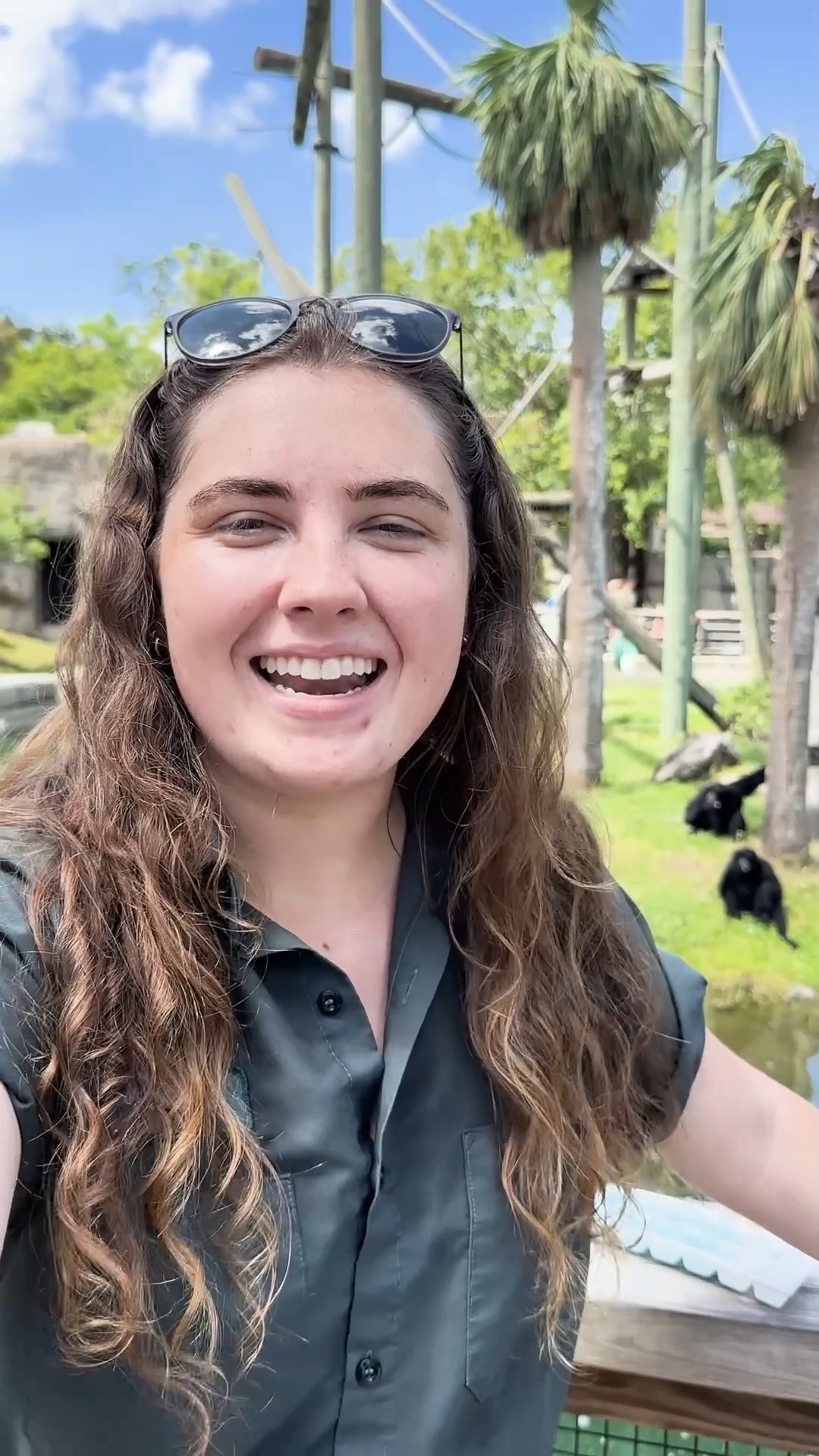
Among those actively promoting primate conservation is Maddie, a dedicated member of the ZooTampa team. Maddie’s role extends beyond the basic care of the gibbons. She contributes to initiatives aimed at fostering a deeper understanding of these fascinating creatures. Her insights spotlight moments of joy, connection, and learning that occur daily within the zoo. She often engages visitors through educational programs that illustrate the importance of preserving gibbon habitats and understanding their behaviors.
The emotional bonds that gibbons form within family units are crucial for their well-being. In the wild, they rely on collaborative efforts to find food, protect their territory, and nurture their young. Maddie observes these interactions daily and uses her experiences to craft educational content. The role of family provides gibbons with the social structure necessary for psychological health. It also paves the way for behaviors such as vocalization, which is particularly striking among gibbons. Their songs can carry over vast distances, and each species has its unique vocal pattern. This form of communication not only strengthens social bonds but also serves as a means to establish territory.
The gibbon family dynamics at ZooTampa exemplify these behaviors. Visitors can witness how the gibbons engage in playful activities while also caring for their young. Maddie emphasizes that these displays are not just entertainment but teaching moments. They illustrate how animals adapt to their environments while maintaining familial connections.
Yet, the plight of primates is a significant concern, particularly for those living in the wild. Habitat destruction due to deforestation poses an urgent threat. The loss of trees means the loss of homes, food sources, and social structures that are essential for their survival. Maddie often discusses these challenges with visitors. She uses anecdotes to illustrate the consequences of habitat loss. When trees are cleared, gibbons can become isolated. This fragmentation of their habitats can lead to decreased genetic diversity and increased vulnerability to disease.
Another critical issue impacting gibbons and other primates includes the illegal pet trade. Many of these animals are captured and sold, often resulting in distressing outcomes for both the individuals and the species as a whole. Conservation efforts are crucial in combating this illegal activity. Maddie explains the role zoos play in protecting species through breeding programs. These initiatives are designed to maintain genetic diversity and provide a safety net for endangered populations.
ZooTampa collaborates with various conservation organizations to enhance these efforts. Education is at the core of their mission. Maddie’s work helps ensure that the community understands how they can contribute to conservation efforts. From supporting sustainable practices to advocating for policies that protect wildlife, community engagement is vital.
Scientific research also contributes significantly to the understanding of gibbon behavior and conservation needs. Studies focus on understanding social structures, mating habits, and environmental adaptations. Such research aids zoo management in creating appropriate care and enrichment programs for gibbons in captivity. This knowledge transfer allows zookeepers like Maddie to apply best practices, ensuring the animals’ needs are met effectively.
The education offered at ZooTampa goes beyond just facts. Maddie makes it relatable and applicable. She encourages visitors to think critically about their impact on the environment and the steps they can take to help. Engaging storytelling and informative sessions can cultivate a sense of responsibility towards wildlife conservation.
The role of zoos in conservation cannot be understated. They act as breeding sanctuaries for endangered species and can serve as a crucial link between the public and the wild. Maddie’s passion and knowledge resonate in her interactions. Her stories humanize the challenges that gibbons face, transforming facts into a narrative that stirs empathy. As a voice for the gibbons, she highlights their beauty and intelligence while underscoring the urgent need for action.
ZooTampa serves as a model for wildlife conservation through education and community involvement. By focusing on species like gibbons, the zoo emphasizes the importance of biodiversity. Maddie’s reflections bring to light not only the joy in studying and caring for these primates but also their vulnerability.
As visitors engage with the gibbon family and listen to Maddie’s insights, they gain a greater appreciation for the role of each species in our ecosystem. Understanding how gibbons contribute to their environment can inspire action.
The collaborative efforts of zoos, conservation organizations, and passionate individuals like Maddie aim to promote a sustainable future for primates. Through education, advocacy, and research, they tackle immediate threats to wildlife. The commitment reflects a changing perspective on wildlife conservation.
With proper education and engagement, each person can be an ambassador for the wildlife in their communities. Maddie’s work exemplifies how individuals can influence attitudes and behaviors regarding wildlife and conservation. Her reflections not only celebrate the gibbon family but also reaffirm the importance of preserving their worldwide habitats.
ZooTampa continues to promote wildlife education and conserve species through innovative programs. The gibbon family is more than an attraction; they symbolize a movement towards greater awareness and action. One visit can spark a lifelong passion for conservation.
In a world undeniably impacted by urbanization and climate change, the stories told by those like Maddie become essential. They inform and inspire individuals to take an active role in conservation efforts. The gibbons are a reminder that every species is pivotal in maintaining ecological balance.
Each small effort counts. By choosing to support conservation, educate communities, and share stories, we can contribute to a future where gibbons—and all wildlife—can thrive. Conservation is a shared responsibility. The future lies in collective action.
*****
Source Description
Maddie and the gibbon family from @ZooTampa wish all a happy Listen to Maddie’s insights as she reflects on her favorites parts of being a primate
