
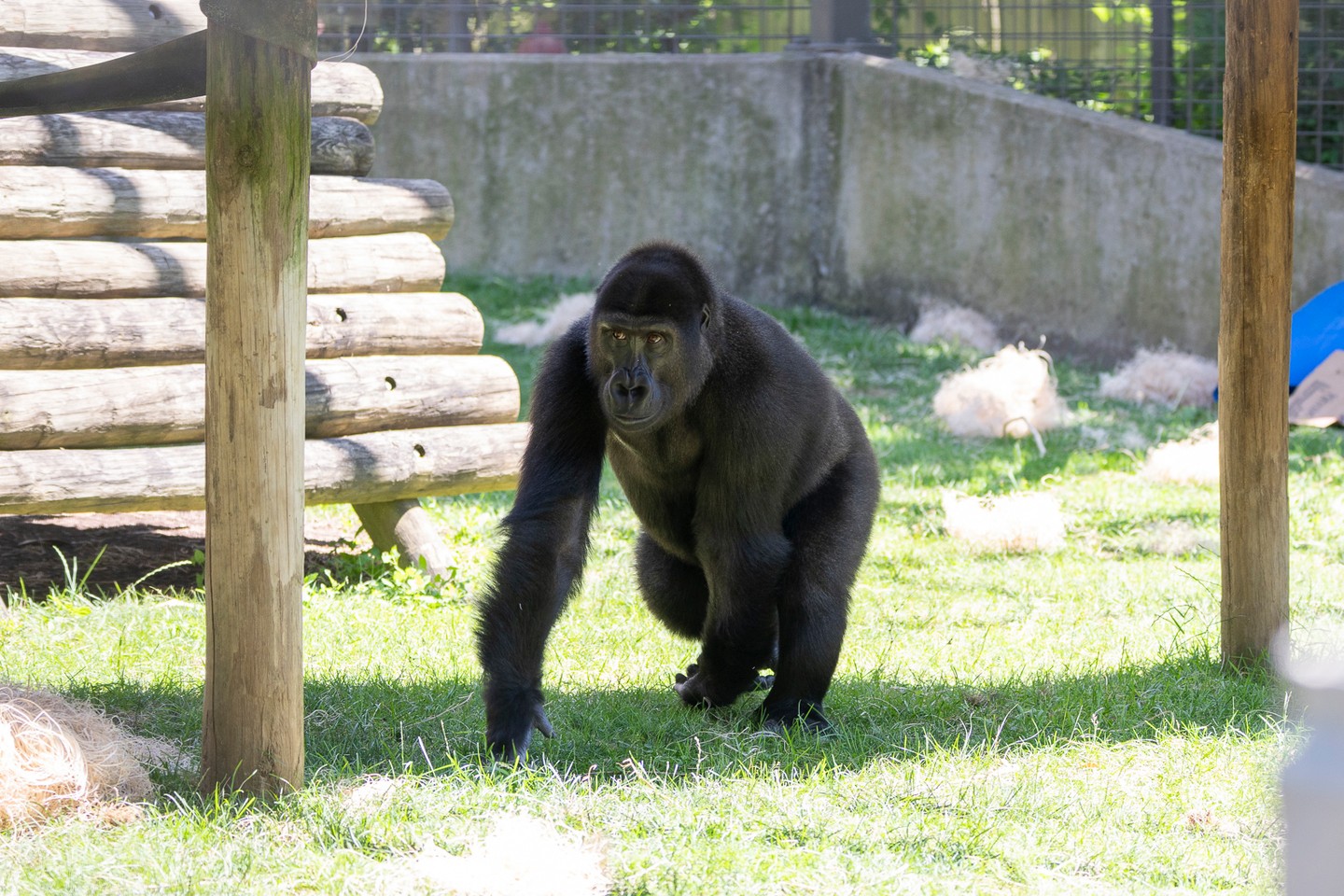
- The significance of relocating JJ and Kamoli for their developmental journey.
- The role of specialized teams in animal welfare and transportation.
- Insights into gorilla social structures and the concept of bachelor troops.
- The importance of quarantine periods in animal management.
- Ongoing efforts in wildlife conservation and the responsibilities of accredited zoos.
As JJ, the 9-year-old gorilla, and Kamoli, the 12-year-old gorilla, embark on their journey to Omaha, Nebraska, their displacement reflects critical practices in gorilla management and animal welfare. This move coincides with necessary renovations at the Columbus Zoo. Such relocations are not random but are part of a harmonious plan aimed at ensuring the well-being and development of young primates.
To facilitate this journey, a specialized team from the Columbus Zoo accompanied the gorillas. The team consisted of a curator, assistant curator, a keeper from the Congo Expedition region, a member of the maintenance staff, and a veterinarian. Their presence underscores the collaborative efforts needed for the transport of animals, particularly those as complex as gorillas.
Transporting gorillas requires extensive planning and preparation. Each member of the team plays a role in safeguarding the animals during transportation. The curator oversees the entire process, ensuring that all protocols are adhered to and that the animals remain comfortable. The presence of a veterinarian ensures immediate care if needed. The keeper’s knowledge about JJ and Kamoli’s habits aids in reducing stress during the transition.
Understanding the social structures of gorillas enhances our comprehension of their needs. Gorilla social dynamics play a pivotal role in their behavior and psychology. Male gorillas, like JJ and Kamoli, often form bachelor troops—a natural grouping of young males who may not yet have established their own harems. During this phase, they learn essential skills for future leadership and social interaction.
The bachelor troop structure is not merely a convenient label; it signifies an important phase in gorilla development. It allows males to socialize with peers while honing their physical and behavioral skills. By interacting with each other, these young gorillas prepare for future challenges, including competing for leadership roles within their herds. This developmental phase is crucial as these individuals transition into adulthood.
Upon arrival at the Omaha Zoo, JJ and Kamoli will undergo a standard quarantine period. This process is integral to the health management of zoo animals. Quarantine safeguards both the newcomers and the resident animals from potential diseases. The procedure often involves various health assessments to ensure that JJ and Kamoli are fit for interaction in a new environment.
Quarantine periods vary in length, usually lasting around 30 days but adaptable based on health indicators. During this time, JJ and Kamoli will remain viewable to guests in a designated habitat, allowing a level of engagement while maintaining biosecurity measures. This practice exemplifies responsible management strategies that accredited zoos follow to prioritize animal health.
Amid challenges such as habitat destruction and poaching, accredited zoos play a vital role in wildlife conservation. Organizations like the Association of Zoos and Aquariums (AZA) emphasize high standards of animal husbandry and conservation. Accredited zoos work collaboratively with organizations focusing on gorilla conservation, studying their natural habitats, and contributing to species survival plans.
The ongoing efforts in gorilla conservation extend beyond physical relocations. Many accredited zoos are involved in educational programs aimed at raising awareness about the challenges faced by gorillas in the wild. Through public engagement, they highlight the significance of preserving habitats and emphasize the need for sustainable practices.
Moreover, educational programs enhance understanding of gorilla behavior, ecology, and social structures. By sharing this knowledge with the public, zoos like the Columbus Zoo and Omaha Zoo foster a sense of stewardship among visitors. This awareness can lead to increased support for conservation initiatives and funding for habitat protection projects.
As JJ and Kamoli prepare for their stay in Omaha, their journey serves as a reminder of the broader mission of zoos to promote conservation. Their upcoming return to Columbus will be a significant milestone in their growth. Integration back into the bachelor troop at the Columbus Zoo will continue to offer opportunities for social development.
In summary, the relocation of JJ and Kamoli to Omaha Zoo is more than just a physical move; it reflects strategic planning within the field of zoology and animal management. The involvement of trained professionals and adherence to protocols ensures the welfare of the animals throughout the process. Likewise, understanding gorilla social structures and the importance of quarantine periods enriches our appreciation for these animals and the work done in accredited zoos.
The broader context of conservation embodies the ultimate goal of these efforts. It is essential for fostering the survival of gorilla populations and ensuring their habitats are preserved. Initiatives within accredited zoos are crucial for raising public awareness and educating future generations about wildlife conservation practices. As JJ and Kamoli begin this new chapter, they serve as ambassadors for their species—highlighting both the beauty and fragility of gorillas in the wild.
*****
Source Description
Male gorillas JJ (9) and Kamoli (12) are off on their next adventure and have safely made the journey to Omaha, Nebraska! To ensure the gorillas did well throughout the move, they traveled with a dedicated team from the Columbus Zoo, including the curator, assistant curator, and a keeper from our Congo Expedition region, as well as a member of our maintenance team and one of our staff veterinarians.
While we complete some renovations in our off-view gorilla facility, JJ and Kamoli have been temporarily relocated to @theomahazoo, an accredited member of @zoos_aquariums. As bachelor troop members, they will not be introduced to the gorillas currently residing in Omaha, but they will be viewable to guests in their own habitat following a standard quarantine period.
Here at the Columbus Zoo, our other two gorilla family groups will remain in the main gorilla building and will continue to be viewable to guests.
Once construction is complete, JJ and Kamoli will return to Columbus to continue their journey as a bachelor troop — an important natural step before becoming silverbacks that will lead troops of their own.
We can’t wait to welcome them home again in about a year, so stay tuned for other “ape-ic” update along the way!
