
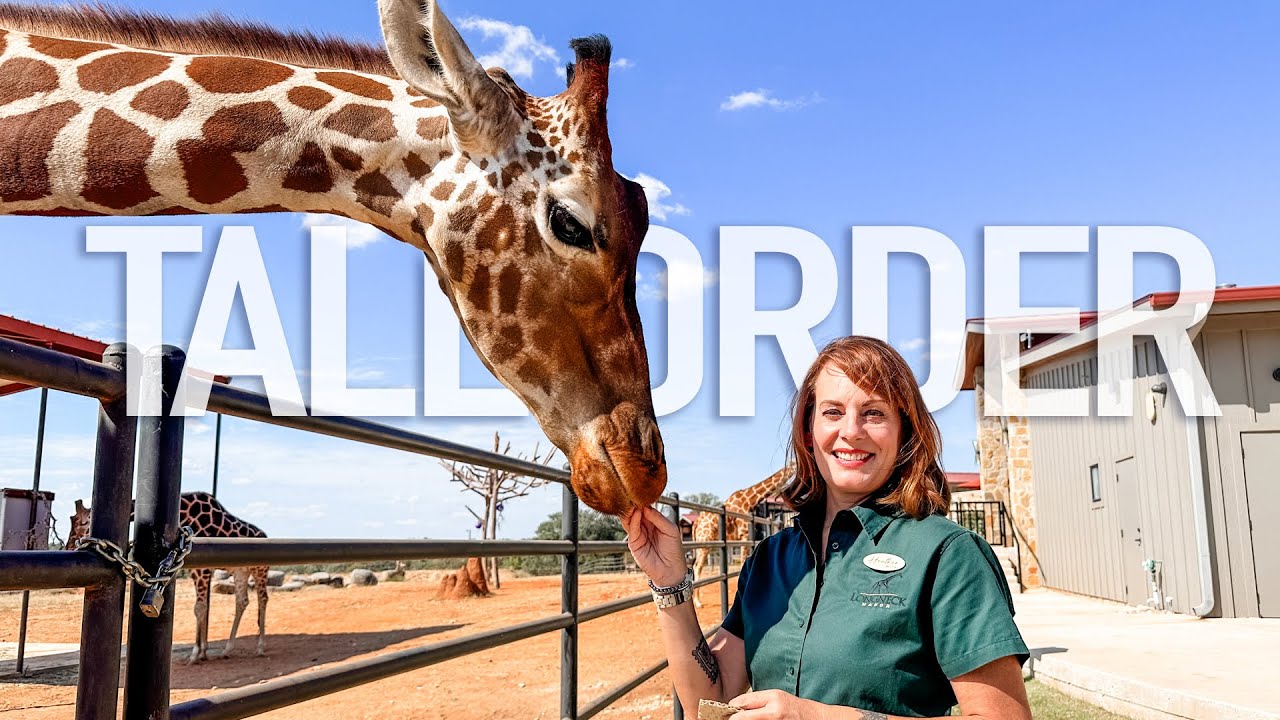
- The importance of Longneck Manor in wildlife conservation and animal care
- Management strategies for successful zoo operations
- The role of public engagement in fostering conservation awareness
- The responsibility of zoos in species survival and habitat preservation
- Best practices and innovations in zoological education
Running Longneck Manor is a tall order. This facility embodies the intersection of wildlife conservation, educational outreach, and effective zoo management. The commitment to animal care shapes every aspect of its operations, ensuring that the creatures residing within its walls not only survive but thrive. Understanding the importance of Longneck Manor involves examining its contributions to conservation, management techniques, community engagement, species preservation, and educational practices.
The importance of Longneck Manor in wildlife conservation and animal care cannot be overstated. Longneck Manor is not just a place for entertainment; rather, it serves as a sanctuary for various species facing threats in the wild. A prime objective of this zoo is to educate visitors about the delicate balance of ecosystems and the challenges that wildlife faces, including habitat loss, poaching, and climate change. Providing a safe and enriched environment for species such as the giraffe aids in breeding programs designed to boost declining populations.
Animal welfare is a cornerstone of the operation at Longneck Manor. Every animal under care receives careful attention. This includes a structured environment that mimics their natural habitat as closely as possible. Factors such as diet, socialization, and environmental enrichment are taken into account. Nutritionists work alongside veterinarians to create species-specific diets that promote optimal health. Regular health check-ups and screenings help prevent diseases and monitor the overall well-being of the animals. The dedication to animal health not only enhances the quality of life for the residents of Longneck Manor but also provides vital data for research and conservation efforts.
Management strategies for successful zoo operations play a crucial role in achieving these objectives. Longneck Manor employs a multifaceted approach to ensure effective daily functioning. This includes strategic planning, staffing, and resource allocation. Training staff members in animal care, guest interaction, and emergency preparedness is essential. The success of Longneck Manor hinges on a cohesive team that operates seamlessly to create an efficient and welcoming environment.
The organization also emphasizes collaborations with other institutions. This partnership network spans conservation organizations, universities, and research facilities. By sharing knowledge, resources, and best practices, Longneck Manor enhances its operational capabilities. These collaborations can lead to joint research initiatives, allowing for studies that benefit wildlife conservation on many fronts.
Stable financing is another component of managing a successful zoo. Longneck Manor adopts a mixed revenue model that combines ticket sales, memberships, donations, and grants. This financial diversity helps ensure that funds are available for animal care, facility maintenance, staff training, and conservation projects. Being financially stable allows the zoo to plan for the future, ensuring long-term sustainability and growth.
Public engagement in fostering conservation awareness is pivotal for Longneck Manor. It’s essential for visitors to connect with the animals and understand the broader implications of wildlife conservation. Engaging programs designed for families, schools, and community groups turn the zoo experience into a learning opportunity. Interactive exhibits and presentations facilitate deeper connections to the animals and the pressing issues they face. These educational initiatives create ambassadors for conservation within the community.
Guided tours, workshops, and special events encourage discussion about animal behavior, conservation methods, and environmental stewardship. Moreover, digital engagement through social media platforms and virtual tours extends the zoo’s reach beyond physical boundaries. Online content showcasing behind-the-scenes operations, animal profiles, and conservation events captures attention and fosters public interest in wildlife welfare.
The responsibility of zoos, such as Longneck Manor, in species survival and habitat preservation reflects a commitment to biodiversity. As many species face extinction, zoological institutions play a key role in maintaining genetic diversity through breeding programs. Longneck Manor participates in species survival plans, ensuring that populations are managed responsibly. When animals are successfully bred in captivity, they can sometimes be reintroduced into their natural habitats, aiding in restoring ecosystems.
Furthermore, habitat preservation efforts often extend beyond the zoo. Longneck Manor invests in conservation projects that protect critical habitats. By funding research initiatives and community education in areas where endangered species reside, the zoo broadens its impact. Collaborating with local stakeholders ensures that conservation strategies are respectful of cultural practices and economic challenges faced by communities.
Best practices in zoological education are continuously evolving, reflecting advancements in science and technology. Longneck Manor places a strong emphasis on research-driven educational programs. Such initiatives align with educational standards and encourage scientific inquiry among visitors. Interactive learning experiences complement traditional educational methods, fostering curiosity about wildlife and conservation.
Innovations in technology also enhance educational practices. Virtual reality experiences allow visitors to engage with wildlife in an immersive environment. Webinars conducted by experts make conservation topics accessible to a broader audience. Continuous assessment of educational programs helps staff improve methods of engagement to meet the diverse needs of visitors.
Conservation messaging forms the backbone of educational efforts at Longneck Manor. Informative signage, guided talks, and workshops convey essential information about species, ecosystems, and threats. Highlighting success stories of conservation initiatives globally inspires audiences to take action. Awareness campaigns prompt individuals to participate in everyday conservation practices, such as reducing plastic use and supporting sustainable practices.
Behavioral training for animals is another significant aspect of animal care at Longneck Manor. By utilizing positive reinforcement techniques, caregivers can teach animals to participate in their own health care routines. For instance, giraffes can be trained to present their legs for examination, making procedures easier for both the animals and the veterinarians. Such training not only enhances animal welfare but also allows for more detailed monitoring of health.
Ensuring a well-rounded approach to animal care, public engagement, and educational outreach establishes Longneck Manor as a leading institution in wildlife conservation. Managing the intricacies of animal welfare principles, zoo operations, educational outreach, and community involvement is indeed a tall order. The commitment of Longneck Manor to these principles paves the way for sustainable conservation efforts while inspiring future generations to appreciate and protect the biodiversity of our planet.
Through engaging programs and responsible management, Longneck Manor continues to be a vital player in wildlife conservation. This dedication to animal welfare, species survival, and public education ensures that the challenges facing wildlife today are met with informed and passionate responses. Longneck Manor not only serves as a refuge for vulnerable species but also stands as a beacon for environmental stewardship in a rapidly changing world.
*****
Source Description
Meet Heather Crocker, Director at Longneck Manor. With a philosophy of quality over quantity, Heather keeps her eyes on the details and her heart on the mission.
Learn more at https://longneckmanor.com/
Book an Animal encounter Tour at https://longneckmanor.com/animal-encounter-tours/
See our luxurious accommodations at https://longneckmanor.com/longneck-manor-accomodations/
