
- The significance of flamingos in ecology and culture.
- The challenges faced by the Chilean flamingo population.
- The rehabilitation journey of Mar Chiquita, the flamingo chick.
- Breeding season dynamics for Chilean flamingos in captivity.
- The role of zookeepers and veterinarians in wildlife conservation.
The Chilean flamingo, known for its striking pink plumage and graceful stature, plays a vital role in ecosystems and human culture alike. These birds primarily inhabit alkaline and saline lakes in South America. Their feeding habits contribute to the maintenance of these vital wetland ecosystems, allowing for a balanced environment. They consume small crustaceans and algae, which also gives them their distinctive coloration. This connection to both ecology and culture makes flamingos important symbols for conservation efforts worldwide.
Despite their symbolic status, Chilean flamingos face various challenges that threaten their populations. Habitat loss due to industrial development, pollution, and climate change plays a significant role in declining numbers. Additionally, disturbances during migration and breeding seasons can result in decreased reproductive success. These threats call for active efforts in conservation and habitat protection, ensuring that these elegant creatures continue to thrive in their natural environments. Understanding the factors contributing to their decline is crucial for developing effective strategies for their preservation.
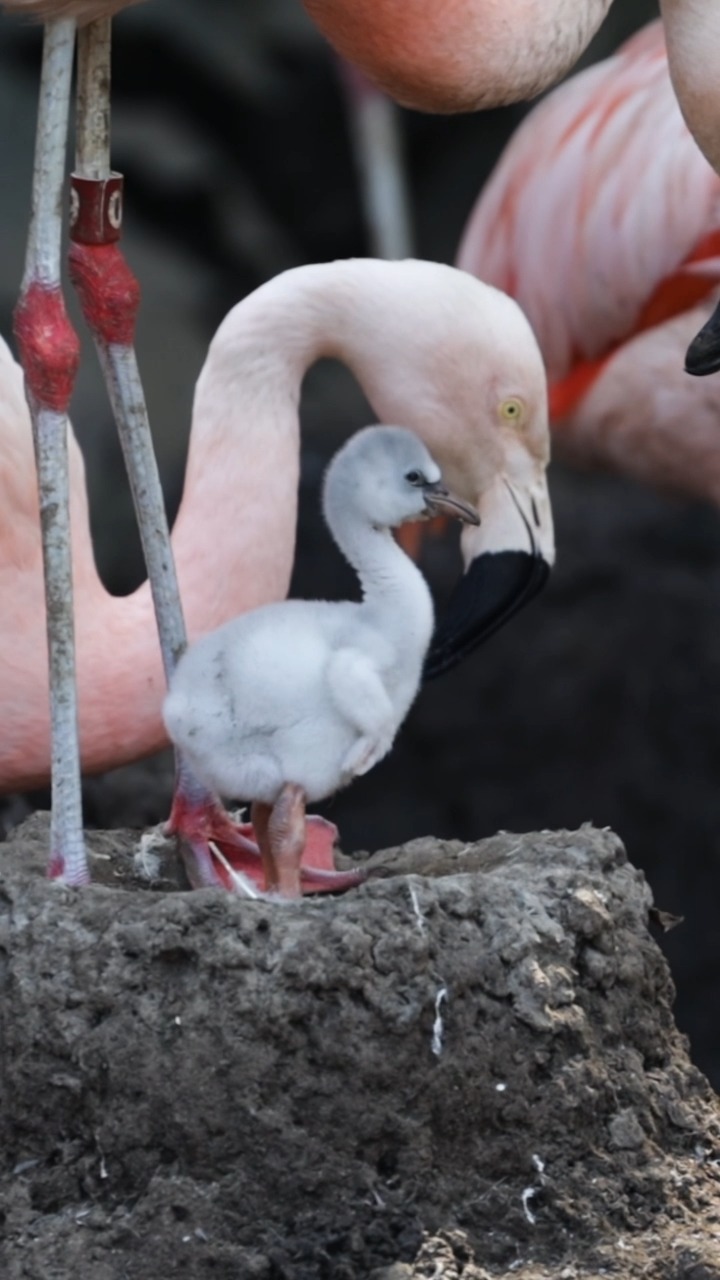
One inspiring story in the fight for flamingo conservation involves a chick affectionately named Mar Chiquita. The young flamingo made headlines at the zoo following her remarkable recovery after being hospitalized due to health issues. Her journey underscores the critical role of zookeepers and veterinarians in wildlife rehabilitation. From her initial hospitalization to her eventual return to the flamingo yard, Mar Chiquita’s story is as educational as it is uplifting.
During the breeding season, Chilean flamingos engage in fascinating courtship behaviors, such as synchronized group displays. Zookeepers closely monitor these interactions, as they impact the success of breeding programs in captivity. This season typically occurs during the warmer months when conditions are suitable for nesting. The zoo plays a pivotal role in providing a safe environment, allowing flamingos to breed and raise their young effectively.
Effective breeding and rehabilitation programs can help support declining flamingo populations. Mar Chiquita’s recovery serves as an excellent example of this. After being hospitalized, she received care from veterinarians specializing in avian health. The collaborative efforts of the zoo staff were instrumental in her treatment and rehabilitation. Thanks to their dedication, she regained her strength and returned to her flock, embodying hope for the future of her species.
The role of zookeepers and veterinarians extends far beyond individual cases like Mar Chiquita’s. They are involved in conservation programs aimed at understanding the broader issues facing flamingos. By collecting data on diet, health, and breeding behaviors, these professionals contribute to research that informs conservation strategies nationally and internationally. Their insights additionally influence policies related to habitat protection and public awareness campaigns.
Mar Chiquita’s successful return to the flamingo yard also brings attention to the educational efforts at zoos. As caretakers of wildlife, zookeepers strive to raise public awareness about flamingos and their ecological importance. Education programs feature information about habitat preservation, the ecological roles of flamingos, and the challenges facing them. Engaging the public can foster a sense of responsibility towards wildlife conservation and inspire stewardship of natural habitats.
Flamingo conservation efforts are strengthened through collaborative partnerships. Organizations working toward protecting wetlands and advanced research initiatives often team up with zoos. By pooling resources, knowledge, and expertise, these partnerships yield comprehensive strategies for the preservation of flamingo populations. They foster innovation and adaptability in response to the challenges posed by environmental changes.
In addition to conservation, understanding the health needs of flamingos is vital for successful breeding and rehabilitation. Routine medical checks are implemented to monitor the well-being of the flamingo population at zoos. These health assessments can detect potential issues early, allowing for prompt interventions when necessary. By prioritizing health care, zoos contribute significantly to the survival and thriving of flamingos under their care.
Public engagement is equally important in the fight for flamingo preservation. Each time someone visits a zoo or learns about flamingo conservation efforts, they become part of the solution. Educational outreach initiatives can connect communities to congregations of flamingos in their natural habitats. By fostering emotional and educational connections to these remarkable birds, zoos empower individuals to support conservation efforts actively.
Flamingo breeding programs in captivity play an essential role in bolstering numbers. Zoos provide a safe environment for nesting and raising young, with careful observation of breeding pairs. This attention to detail ensures that genetic diversity is maintained, an important factor in the long-term viability of the species. Cross-fostering Flamingo chicks between institutions can enhance genetic diversity and improve genetic health across populations.
As efforts for conservation progress, additional observations contribute to our understanding of flamingo behavior and needs. Research encompasses habitat management, feeding ecology, and migration patterns. The data collected can guide efforts to improve habitat conditions, ensuring that flamingos have a secure and sustainable future both in zoos and in the wild.
The journey of Mar Chiquita is a testament to the dedication of zookeepers and veterinarians committed to wildlife conservation. Her recovery highlights the importance of compassion and scientific understanding in managing avian health. The collaboration between these professionals has paved the way for a better approach to animal welfare and species preservation.
Community involvement remains crucial in expanding conservation efforts. Educational programs targeting both young and adult audiences can spark interest in flamingo conservation. Virtual platforms, like the zoo’s latest full-length YouTube video featuring Mar Chiquita, engage broader audiences and highlight the importance of individual contributions to wildlife conservation. Digital storytelling makes complex topics accessible, allowing for greater awareness and involvement.
Through numerous initiatives, zoos are not simply places of entertainment but essential centers for conservation and education. They foster species recovery while emphasizing the interconnectedness of all life. By investing in public education, zoos cultivate a sense of responsibility toward biodiversity.
Mar Chiquita is more than just a remarkable individual; she symbolizes resilience in the face of adversity. Her story showcases how dedicated professionals can change the trajectory of a species’ survival. As communities come together to learn and take action, the hope for flamingos is renewed.
The comeback of Mar Chiquita serves as an anchor around which future conservation strategies can be structured. Through continued collaborative efforts, research, and community engagement, we can lay the groundwork for lasting meaningful changes. Celebrating stories like hers not only inspires hope but emphasizes the necessity of ongoing work to safeguard these exceptional birds.
As we learn from every success and challenge, contributions from researchers, zookeepers, and the public collectively ensure that both the Chilean flamingo and other wildlife species can thrive for generations to come. The future of flamingos and their natural habitats will depend on our collective commitment to conservation efforts, habitat protection, and public education. Every interaction can make a difference, reminding us that the responsibility to protect these birds does not lie solely with scientists but is a shared endeavor for everyone.
*****
Source Description
Mar Chiquita the Chilean flamingo made a marvelous comeback! 🩺🙌🦩
Learn about flamingo breeding season at the Zoo and how a hospitalized flamingo chick we call “Mar Chiquita” made her way back to the flamingo yard thanks to the collaborative efforts of our zookeepers and veterinarians. Check out our latest full-length YouTube video now!
To watch the full video, see the link in our bio!
Alt-text: A clip from our latest YouTube video featuring Zoological Manager Liz Beem and Chilean flamingo chick Mar Chiquita.
