
- The natural habitat and distribution of California mountain kingsnakes.
- Physical characteristics and behaviors that define this species.
- Feeding habits, predation, and significance in the ecosystem.
- Conservation status and threats to California mountain kingsnakes.
- Best practices for observation and interaction in the wild.
California mountain kingsnakes (Lampropeltis zonata) inhabit the diverse ecosystems of California, extending through various regions such as coastal scrub, oak woodlands, and mountain ranges. They are primarily found in areas with rocky outcrops and plenty of cover, including underbrush and fallen logs. This adaptability contributes to their survival and distribution, making them a common sight in both urban and rural environments. Their presence is vital as they often indicate a healthy ecosystem, reflecting the biodiversity of their surroundings.
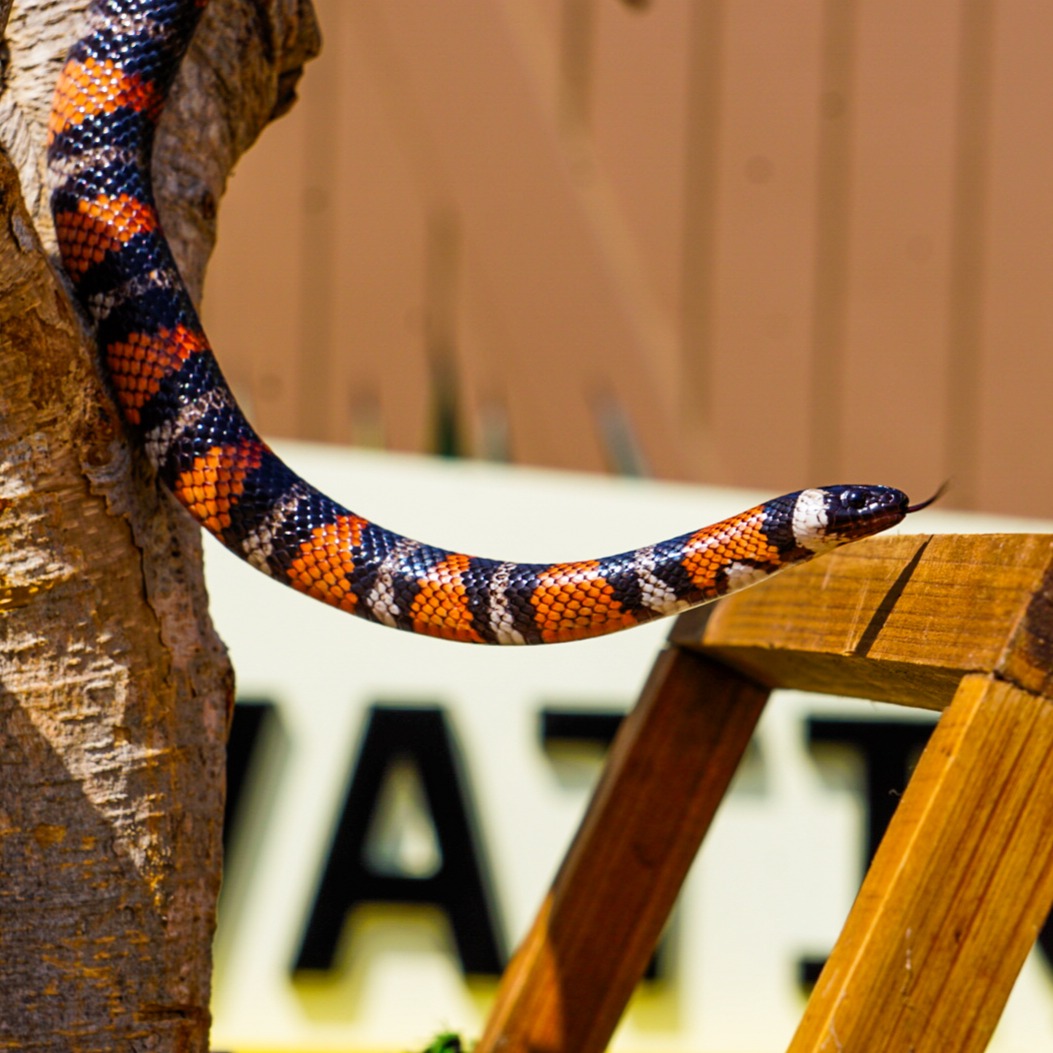
Measuring from 18 to 50 inches in length, California mountain kingsnakes showcase a striking appearance characterized by bands of red, black, and white. This coloration serves a dual purpose: it offers camouflage among the leaves and dirt while also mimicking the warning signals of venomous species like the coral snake. This form of mimicry provides an advantage in evading potential predators. Their scales are smooth and glossy, helping them glide easily through their natural habitat, a behavior likened to “sliding through the week with regal ease.” Their impressive mobility allows them to traverse various terrains, contributing to the perception of them as the “king of snakes.”
In terms of behavior, California mountain kingsnakes are non-venomous constrictors. They employ a fascinating hunting method; rather than relying on venom to subdue prey, they wrap their bodies around their target to suffocate it. Their diet primarily consists of small mammals, lizards, and, interestingly, other snakes. They are known to consume rattlesnakes, showcasing their role as both predator and prey in the food chain. This dietary flexibility reinforces their place as dominant predators in their environment, feeding on a range of animals that may be harmful to other species.
Understanding the conservation status of California mountain kingsnakes is crucial due to various threats. Habitat destruction, primarily driven by urban development and agriculture, significantly impacts their populations. Moreover, illegal collection for the pet trade raises concerns about their sustainability in the wild. While not currently listed as endangered, their habitats are at risk, making conservation efforts vital. Programs aimed at habitat restoration and public awareness can aid in reducing the pressures on their populations.
When observing these snakes in the wild, it is essential to respect their space. If hikers encounter a California mountain kingsnake, admiring from a distance is the most responsible approach. While they are generally docile and non-aggressive, approaching or attempting to handle them can stress the snake and lead to potential harm for both the observer and the animal. Educating others about their ecological role can foster a greater appreciation for these serpents and lead to more robust conservation efforts.
California mountain kingsnakes exhibit a fascinating blend of adaptability and ecological importance. Their vibrant appearances and predatory behaviors cement their status in the natural world. Moreover, they serve as indicators of environmental health, embodying the intricate balance necessary for thriving ecosystems. By supporting efforts to protect their habitats and advocating for public education, we can contribute to the preservation of these remarkable snakes for future generations to appreciate.
*****
Source Description
Sliding through the week with regal ease like the California mountain kingsnake! 😮💨👑🐍
The California mountain kingsnake gets its moniker as “the king of snakes” as it’s known to sometimes eat other snakes, including venomous rattlesnakes!
While California mountain kingsnakes themselves are not venomous, we implore you to admire but not touch these kingly danger noodles should you encounter them on a hike in the beautiful California backcountry they call home!
📸: Keeper Ariel
Alt-text: Pictures of a California mountain kingsnake during an animal encounter at the Zoo. In the first, the red, black, and white snake nimbly stretches onto a wooden perch. Next, we see the same snake stick out its forked tongue as it peeks around a branch. Finally, we see it rest on a rock in the last picture.
