
- Maverick the Sea Turtle’s Journey: Overview of the relocation process to NCA Pine Knoll Shores.
- Conservation Efforts in Marine Biology: Importance of such transfers for species preservation.
- Zoo Management and Animal Welfare: Best practices for transporting marine wildlife.
- Education and Engagement: Role in fostering public awareness and support.
- Environmental Impacts: Understanding the broader implications for ecosystems and biodiversity.
Maverick the sea turtle has recently embarked on a significant journey to the North Carolina Aquarium (NCA) at Pine Knoll Shores. This transfer highlights critical aspects of wildlife management, conservation, and public education. Wildlife transfers, particularly involving marine animals like sea turtles, are essential for fostering biodiversity and maintaining genetic diversity among populations. This article delves into the multifaceted aspects of Maverick’s relocation.
Maverick’s journey is more than just a transition from one habitat to another; it encapsulates various objectives in wildlife conservation and zoo management. Moving Maverick to NCA Pine Knoll Shores is a carefully planned initiative aiming to enhance genetic diversity within managed populations. Such efforts are vital for species at risk, aiding in the protection and recovery of these charismatic marine creatures.
The conservation of marine life plays a fundamental role in maintaining ocean health. The relocation of individuals like Maverick often serves as a strategic move in broader conservation programs. These transfers provide opportunities to study behavioral patterns, health, and adaptation to new environments, offering invaluable data for scientists and conservationists. By analyzing Maverick’s acclimation, researchers can optimize conservation strategies, enhancing the long-term survival of the species.
Another critical element of such transfers is zoo management and animal welfare. Moving a sea turtle requires meticulous planning and coordination. Expertise in animal behavior, health assessments, and logistical planning is necessary to minimize stress and ensure the well-being of the animal. The transport process involves specialized equipment to maintain appropriate temperature and humidity levels, reflecting rigorous industry standards. This process is emblematic of best practices in zoo management, highlighting the importance of animal welfare at every stage.
Increasing public engagement is an essential aspect of wildlife conservation. Institutions like NCA Pine Knoll Shores play a crucial role in education and outreach, making Maverick’s journey an opportunity to inspire and inform. By engaging the public through interactive exhibits and educational programs, aquariums can raise awareness about marine conservation issues and foster a connection between visitors and wildlife. Such initiatives are pivotal not only for educational purposes but also for garnering public support for conservation policies.
Understanding the environmental impacts of these relocations can offer insights into broader ecological dynamics. The movement of marine species like Maverick affects multiple facets of the ecosystem. Sea turtles contribute to marine and terrestrial ecosystems by maintaining healthy seagrass beds and coral reefs. Recognizing these roles emphasizes the significance of individual species and their conservation status. Effective conservation ultimately leads to healthier ecosystems, supporting both marine and terrestrial biodiversity.
Transferring animals like Maverick to facilities such as NCA Pine Knoll Shores provides a critical resource for ongoing conservation research. These endeavors not only elevate the institution’s conservation efforts but also place them at the forefront of marine biology research. Collaboration among aquariums, universities, and wildlife organizations drives these initiatives forward, embedding collaboration at every level of conservation work.
Maverick’s departure highlights how marine animal transfers facilitate a multifaceted approach to conservation. While the primary focus is on preserving species, the broader goals include advancing scientific knowledge, promoting public understanding, and influencing environmental policy. This journey represents a model for future wildlife conservation efforts, demonstrating a commitment to preserving marine life through innovative practices and public involvement.
Such movements underscore the responsibility of institutions to aid in global conservation. Transferring Maverick is a testament to proactive management and care for marine species that are globally threatened. Ultimately, these efforts represent significant investments in safeguarding biodiversity for future generations. The importance of understanding and supporting marine life conservation in the face of environmental change is more crucial than ever.
Through the lens of Maverick’s relocation, various dimensions of wildlife management and conservation shine brightly. By focusing on these key aspects, zoos and aquariums not only enhance their conservation impact but also educate and inspire a global audience. This journey stands as a vital reminder of our collective commitment to the natural world and our responsibilities as stewards of the environment.
*****
Source Description
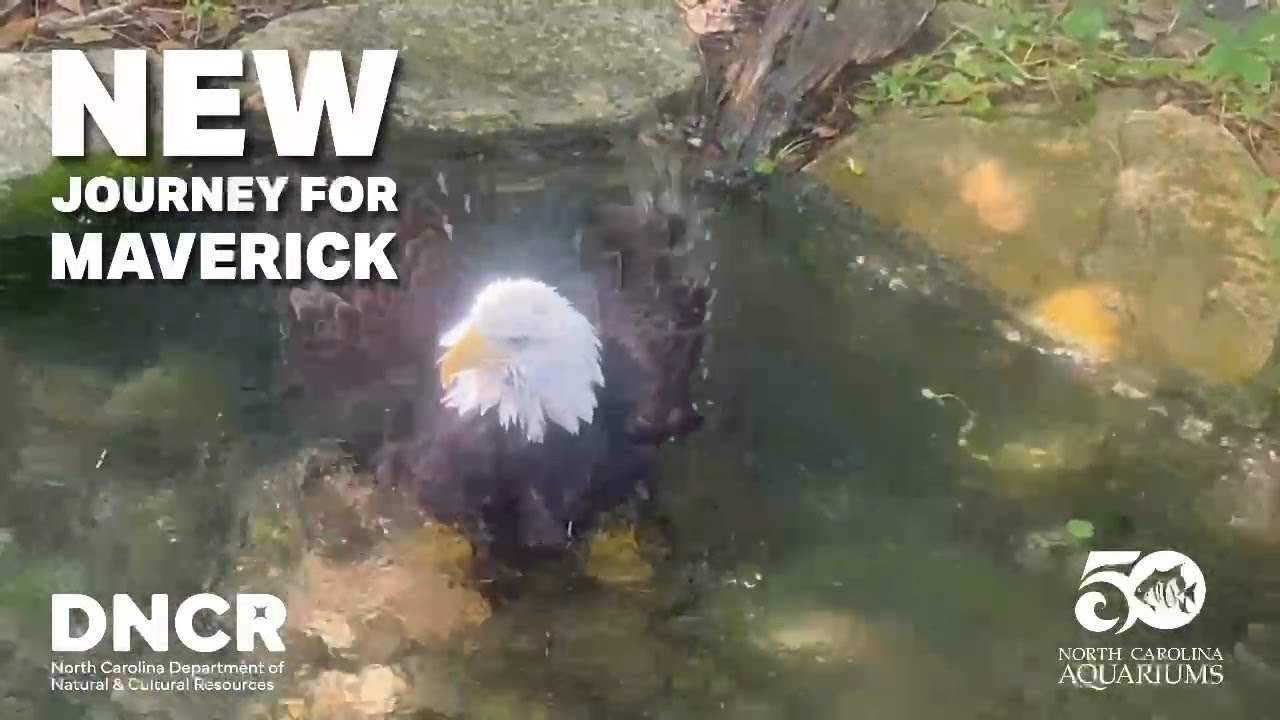
🦅 Maverick is now at the NC Aquarium at Pine Knoll Shores — his temporary home away from the construction noise while we are closed. 🚧
He’s definitely a favorite and is missed. We are heartened knowing that he is in very good hands. ❤️
