
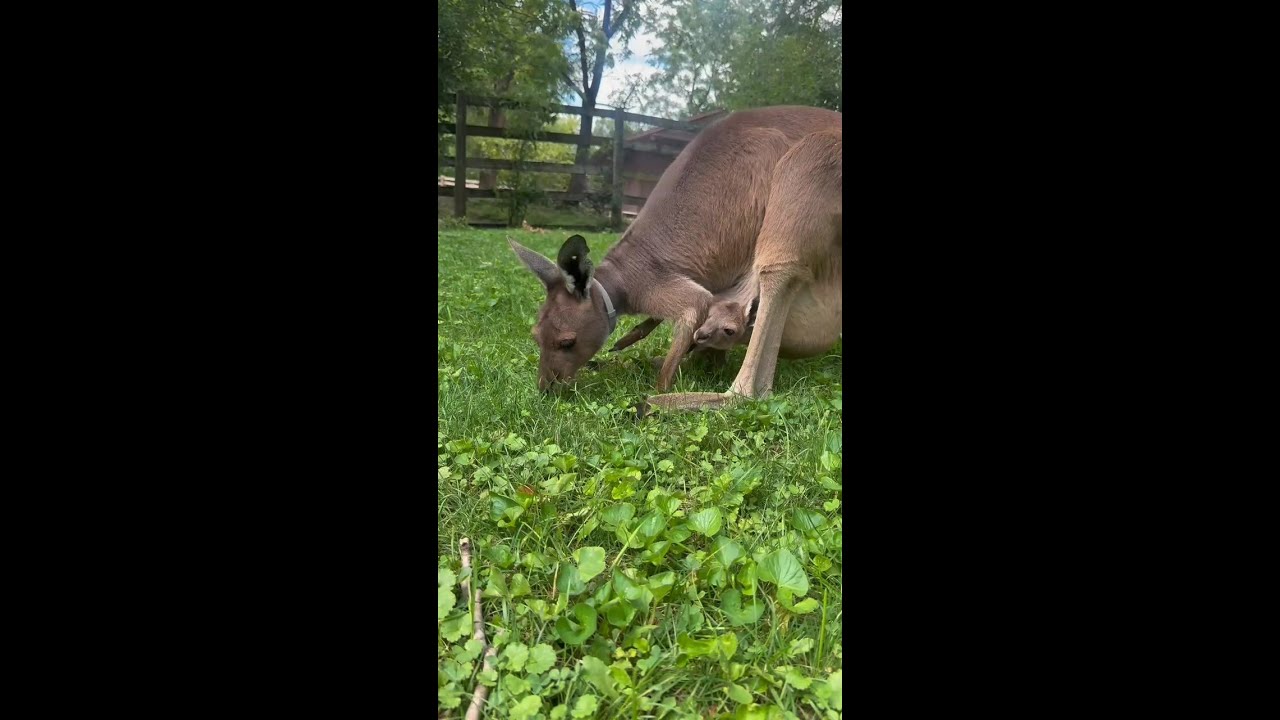
- The social structure and behavior of kangaroos during mealtime.
- The significance of maternal care in kangaroo life.
- Insights into kangaroo diets and feeding patterns.
- The effects of habitat and conservation efforts on kangaroo populations.
- How wildlife interactions can be beneficial for education and conservation.
Kangaroos are emblematic of Australia, marked not only for their distinctive hopping but also for their complex social behaviors. These remarkable animals are often seen snuggled close to their mothers during mealtime. This behavior is not only endearing but is crucial for the development and survival of young joeys. Understanding the social structure of kangaroos during feeding times offers insights into their habitat, care for their young, and the broader ecology they inhabit.
Social behavior plays a significant role in the dynamics of kangaroo groups, often referred to as mobs. A mob typically consists of females and their offspring. Males often have a protective role but may also establish dominance hierarchies. During mealtime, the presence of mothers with their young is vital. Mothers encourage a sense of security, necessary for joeys to feed alongside their peers. This social structure ensures that joeys learn crucial survival skills, including foraging and recognizing predators from observing their mothers’ actions.
Maternal care is of paramount importance in the life cycle of a kangaroo. Female kangaroos carry their young in a pouch, allowing for continued maternal investment long after birth. The bond between a mother and her joey is deep. During feeding, the joey will often emerge from the pouch and nuzzle close to its mother for both comfort and sustenance. This nurturing relationship is essential for the joey’s growth and emotional development. The mother’s milk is rich in fat and protein, tailored to the growing needs of the joey. As the joey matures, it begins to graze alongside its mother, further solidifying their bond.
Diet is another critical factor in the life of kangaroos, directly influencing their behavior and social interactions during mealtime. Kangaroos primarily consume grasses, but their diet can vary based on the seasonal availability of food. They possess specialized dentition that allows them to effectively graze on tough, fibrous plant materials. This diet plays a role in shaping their social structures. When grazing, kangaroo mobs will often segregate into smaller groups, allowing for optimal feeding opportunities without excessive competition. The presence of a mother with her joey can enhance the feeding experience, as the joey learns from her foraging techniques.
Habitat has a direct impact on kangaroo populations. As herbivores, kangaroos are significantly influenced by the ecosystems in which they reside. Changes to their environment, whether due to urbanization, agriculture, or climate change, can alter food sources and social structures. The decline of suitable habitats can lead to increased competition among kangaroo mobs, affecting their social dynamics during feeding. Conservation efforts are critical in ensuring sustainable habitats for kangaroo populations. Initiatives aimed at restoring natural environments include reforestation and managing water sources.
Conservation programs not only focus on habitats but also on raising awareness about kangaroos and their significance in Australian ecosystems. Engaging the public through educational initiatives fosters an appreciation for wildlife. When individuals witness kangaroos in their natural habitats, they become more invested in conservation efforts. Snuggling up with mom during mealtime symbolizes a moment of tranquility that faces uncertainty in the wild. By emphasizing these intimate behaviors, wildlife organizations can highlight the fragile balance of kangaroo populations and rally support for conservation programs.
Kangaroos represent a significant portion of Australia’s wildlife heritage. The connections they form during mealtime, particularly between mothers and their joeys, exemplify the intricate relationships in their ecosystems. These interactions highlight the importance of protecting their habitats and understanding their behavior. Each feeding moment offers educational opportunities to reflect on broader ecological themes, from biodiversity to wildlife conservation.
Kangaroos play essential roles in their ecosystems. Their grazing habits contribute to the maintenance of grasslands, promoting nutrient cycling. Monitoring kangaroo populations and their feeding behaviors provides valuable data for wildlife management. Engaging with these animals in a respectful manner inspires public discourse surrounding conservation and animal welfare.
Wildlife interactions can serve a dual purpose. Not only do they foster emotional connections between humans and animals, but they also enhance educational outreach. Creating opportunities for people to observe kangaroos in natural settings allows for firsthand experience of their behaviors. This engagement inspires a sense of responsibility toward wildlife conservation.
The presence of mothers and their joeys during meal times serves as a poignant reminder of the fragility of life in the wild. Efforts to conserve these iconic animals depend on a combination of habitat protection, education, and public involvement. As kangaroos navigate the challenges posed by their environments, their social behaviors continue to captivate and educate those who take the time to watch.
Research shows that healthy kangaroo populations contribute to ecological balance. Their ability to adapt to changing landscapes is limited, making conservation efforts essential. By protecting their habitats, we preserve not just their existence but the intricate webs of life that depend on these remarkable creatures.
Inviting local communities to engage with kangaroo conservation proficiencies amplifies awareness. Educational programs can highlight the interactions between mother kangaroos and their young. By fostering understanding, we create a foundation for long-term support for wildlife initiatives.
Promoting sustainable practices in agriculture and land-use planning is crucial for the welfare of kangaroo populations. The more we recognize the interdependence of ecosystems, the better equipped we become for effective conservation. Each action taken can influence kangaroo survival rates and habitat preservation.
Maintaining the dialogue around kangaroos during educational outreach can help build bridges between conservationists, scientists, and the public. The narrative of mothers and joeys during mealtime reflects a broader commitment to wildlife conservation. Every meal is more than just an essential act of survival; it encapsulates a lifetime of lessons learned and shared experiences between a mother and her joey.
By respecting the natural rhythms of kangaroos and supporting their populations, we forge a path toward a balanced coexistence. Focusing on understanding their behaviors, particularly around mealtime, furthers a commitment to responsible wildlife stewardship. The bonds formed during these moments can resonate beyond individual species, emphasizing the importance of safeguarding biodiversity for generations to come.
Human connections with wildlife need to be built on mutual respect and education. Observing the intimate flow of kangaroo life teaches us about larger ecological principles. Caring for kangaroos should reflect a broader commitment to preserving the delicate balance of ecosystems that sustain their lives and ours.
Encouraging young minds to engage with wildlife can nurture a future generation that values conservation. Educational programs focused on the behavioral intricacies of kangaroos during mealtime inspire inquisitiveness. By sparking interest in the animal kingdom, we pave the way for future conservationists and educators.
Visual resources, such as documentaries featuring mother kangaroos and their joeys, enhance understanding. Seeing these interactions fosters empathy. It connects viewers to the larger narrative of wildlife struggles and triumphs in a captivating way.
Fostering community involvement in local conservation initiatives can enhance the health of kangaroo populations. Public events that educate about kangaroo habits during mealtime can attract attention and support. From lectures at local nature centers to volunteer opportunities in habitat restoration, community members play a crucial role.
Financial support for conservation efforts, driven by informed communities, enhances protection for kangaroos. Understanding their significance in the ecosystem can inspire donations and civic engagement. By investing in wildlife conservation, we reassert our commitment to the natural world.
Kangaroo mothers and their joeys during mealtime present poignant lessons about nurturing, community, and survival. These reflections guide our understanding of wildlife management, emphasizing the need for active participation in conservation efforts. Highlighting behaviors allows us to appreciate the complexity of animal interactions through a lens of respect and care. Such insights underpin our journey toward sustainable practices and shared understanding. As we observe these interactions, we come to recognize our responsibility in preserving ecological diversity for the generations to come.
*****
Source Description
One of the kangaroo joeys is grabbing a snack while staying snug in mom’s pouch! Western gray kangaroos are herbivores, munching mostly on grasses and shrubs.
