
- Meet Batari: Introduction to Our New Female Malayan Tiger
- The Malayan Tiger: Species Overview
- The Importance of the Species Survival Plan (SSP)
- Batari’s Journey from Tulsa Zoo to Our Exhibit
- Conservation Efforts and What You Can Do
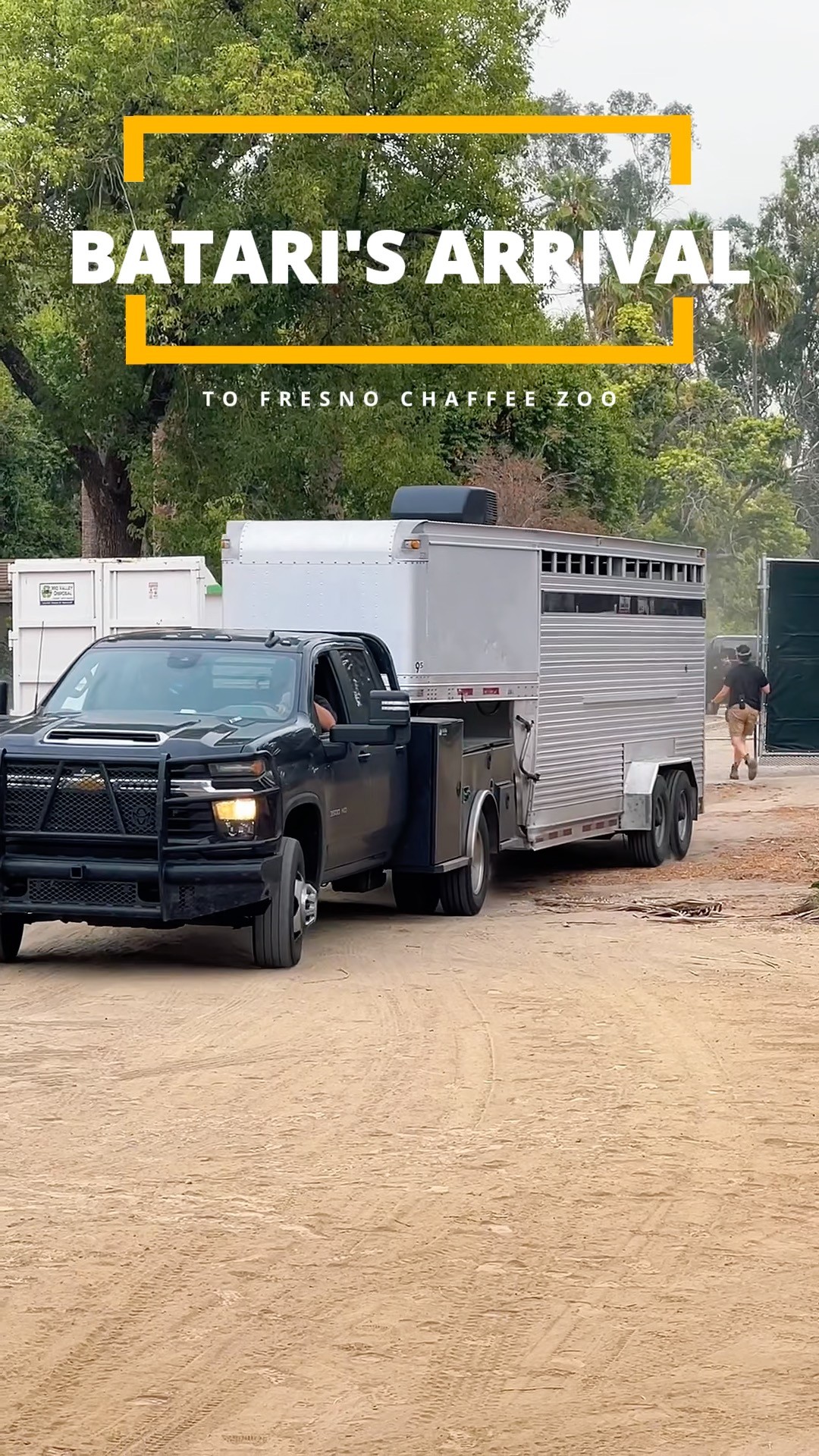
Meet Batari, our new female Malayan tiger, arriving from the Tulsa Zoo as part of a collaborative effort in wildlife conservation. Batari is more than just a new resident; she embodies the challenges faced by her species. You will find her daily in the tiger stream exhibit, eagerly awaiting your visit. It is crucial to give her a warm welcome as we celebrate the addition of this magnificent animal to our facility.
The Malayan Tiger: Species Overview
The Malayan tiger (Panthera tigris jacksoni) is a distinct subspecies of tiger endemic to the tropical forests of Malaysia and southern Thailand. Unlike its larger cousins, the Malayan tiger is smaller in size and possesses unique physical features, such as a darker coat with closer-set stripes. This adaptation aids in camouflage within the dense vegetation of their natural habitats.
Population estimates indicate that the Malayan tiger population is critically endangered. Current data suggests there are as few as 250 individuals left in the wild. The primary threats to their survival include habitat loss due to agricultural expansion, illegal poaching, and the depletion of prey species. As a keystone species in their ecosystem, the loss of the Malayan tiger would have detrimental impacts on biodiversity and forest health. Conservation efforts focus on safeguarding their habitats while promoting ecotourism as a sustainable alternative to exploitative land-use practices.
The Importance of the Species Survival Plan (SSP)
The Species Survival Plan (SSP) is a vital program designed to manage and conserve endangered species within human care. Administered by the Association of Zoos and Aquariums (AZA), the SSP focuses on genetic diversity and the successful breeding of endangered animals. Batari’s transfer from the Tulsa Zoo to our facility is part of this coordinated effort, aiming to bolster the genetic diversity of the Malayan tiger population.
Through the SSP, zoos collaboratively work toward establishing sustainable breeding programs that ensure the longevity of the species. These efforts are backed by research in genetics, behavior, and health, allowing for informed decisions about breeding pairs. Every animal contributes to the overall genetic pool, making it crucial to maintain healthy populations.
As part of the SSP, Batari’s arrival helps fortify our commitment to the conservation of malayan tigers. By including her in our exhibit, we hope to raise awareness and educate visitors about the challenges her species faces. This creates a sense of urgency, motivating visitors to engage with and support wildlife conservation efforts.
Batari’s Journey from Tulsa Zoo to Our Exhibit
Batari’s journey to our zoo is a significant milestone in her life. The process of relocating an animal from one zoo to another requires rigorous planning and coordination. The staff at both zoos collaborate to ensure that every aspect of her transfer is well managed; this includes veterinary health checks, behavioral assessments, and transportation logistics.
Before Batari left Tulsa Zoo, she underwent a thorough health examination to guarantee her physical fitness for travel. The veterinary staff assessed her health, ensuring her vaccinations were up to date and that she was free from any diseases that could affect her wellbeing. This meticulous process is critical; it not only safeguards her health but also protects the animals already residing in our zoo.
Once Batari arrived, our animal care team had to carefully introduce her to her new exhibit. Prior to her arrival, modifications were made to the tiger stream to accommodate her needs. Secure fencing and naturalistic features were added to promote her well-being and stimulate her natural behaviors. The introduction process is gradual; it allows Batari to acclimate to her surroundings at her own pace, reducing the stress that can be associated with relocation.
By prioritizing Batari’s comfort and well-being, we hope to provide her with an enriching environment where she can thrive. Visitors are encouraged to observe her interaction with her habitat, providing insight into the behaviors of Malayan tigers in a natural setting.
Conservation Efforts and What You Can Do
The addition of Batari to our facility marks a pivotal moment for conservation efforts focused on the Malayan tiger. However, our responsibility extends beyond just housing and displaying her. Education is key. We aim to instill a deeper understanding of what is at stake for this subspecies. Programs and events are designed to foster a connection between visitors and the challenges faced by Malayan tigers.
Contributions from visitors play an important role in conservation initiatives. Whether through direct donations or participating in zoo-sponsored educational programs, each gesture supports the ongoing preservation of wildlife. Additionally, promoting awareness about sustainable practices can mitigate many of the threats facing the Malayan tiger’s natural habitat.
One effective way to support conservation is by participating in wildlife organizations that focus on habitat restoration and protection. These organizations work tirelessly to combat deforestation, manage ecological systems, and reduce wildlife trafficking. Each action taken at an individual level creates a ripple effect that contributes to larger conservation goals.
Moreover, advocating for policies that promote biosphere conservation can lead to comprehensive protective measures for the Malayan tiger’s habitat. By engaging with local and national representatives, individuals can push for laws that prioritize wildlife protections. Every voice counts in the fight against habitat destruction.
Your commitment to learning about Batari and her species can enhance conservation efforts in multifaceted ways. By visiting our zoo, observing Batari, and becoming educated about the issues facing the Malayan tiger, you become a part of the solution. Supporting Batari is about more than just admiring her; it cultivates a greater understanding and appreciation for wildlife, fostered through each interaction.
In summary, Batari stands as a representative of her species, connecting us with the larger narrative of wildlife conservation. As an individual, you have the power to contribute to this important cause. Whether through direct support of conservation initiatives or by educating yourself and others, every effort counts in protecting endangered species like the Malayan tiger. Join us in embracing Batari’s journey and the mission behind her presence.
*****
Source Description
Meet Batari, our new female Malayan tiger. Batari is coming to us all the way from @tulsazoo, as part of the Malayan tiger Species Survival Plan (SSP). She can be seen daily in the tiger stream exhibit. Be sure to give her a warm welcome during your next visit!
