
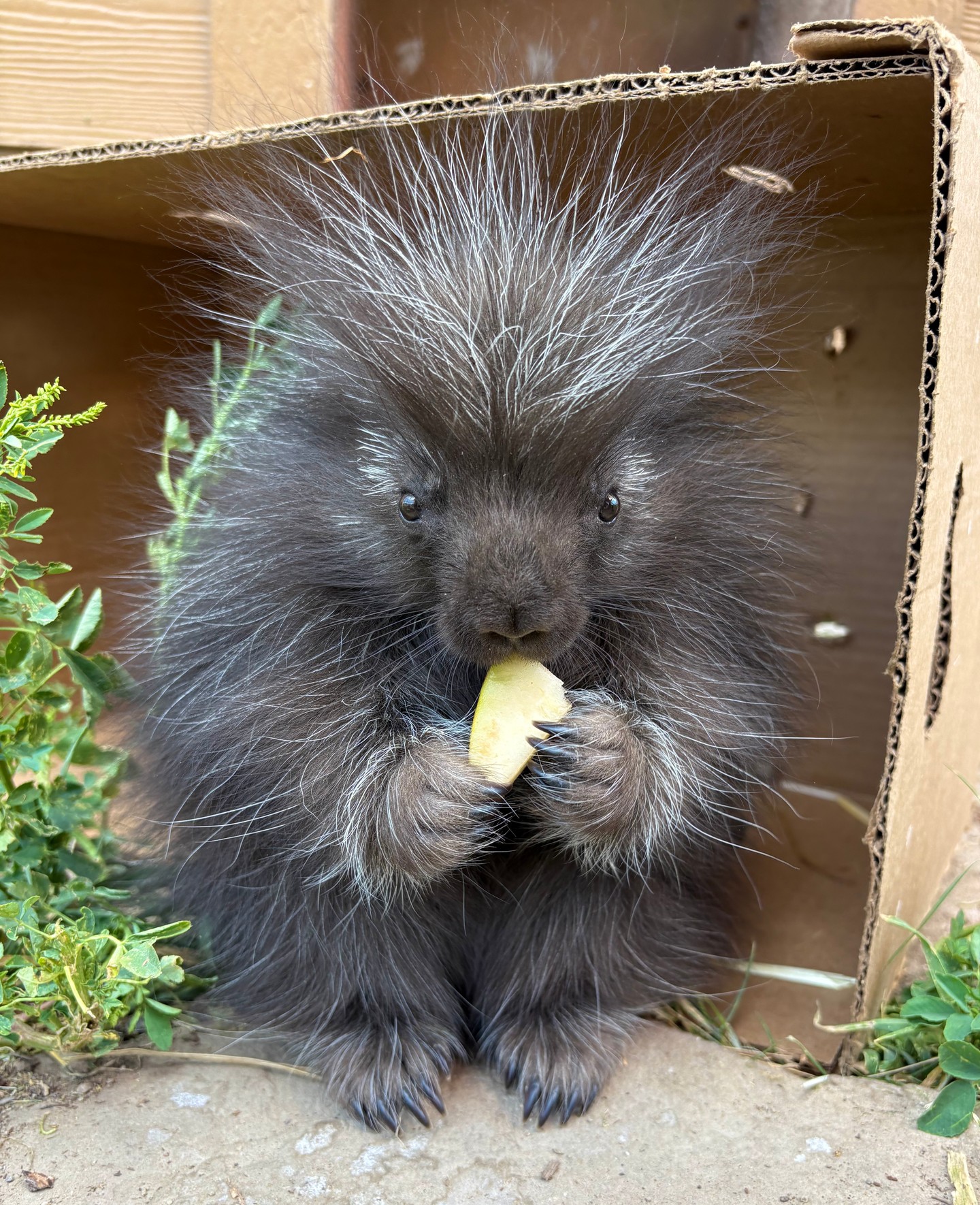
- Introduction to Blake, the newborn porcupette, and its importance in the zoo community.
- Understanding porcupine biology and characteristics.
- Insights into zoo management and care for young animals.
- The role of zoos in wildlife conservation and public education.
- Emotional and ethical considerations in naming and displaying zoo animals.
Blake, the newborn porcupette, is capturing hearts across the globe with its endearing appearance and charming character. This little porcupine is quickly becoming a mascot for wildlife enthusiasts and zoo visitors keen to learn more about these fascinating creatures. The excitement surrounding Blake’s introduction is not only about its cute and cuddly exterior but also an opportunity to delve into porcupine biology, the significance of zoo environments, and the broader implications for conservation efforts.
Porcupines are rodents, known for their distinctive quills or spines that provide defense against predators. These quills are essentially modified hairs coated with thick plates of keratin, which can be released when the animal feels threatened. Despite a common misconception, porcupines cannot shoot their quills; instead, they detach easily on contact.
The North American porcupine, to which Blake belongs, is one of the largest rodents in North America, featuring around 30,000 quills on its body. Porcupines are primarily nocturnal herbivores, and they possess a unique dental structure suited to gnawing through tough vegetation, including bark and wood. This adaptability allows them to thrive in diverse environments, from forests to rocky outcrops.
Caring for a young porcupine like Blake requires specialized knowledge in zoo management. From ensuring the right dietary needs are met to monitoring its social development, the zoo staff must meticulously handle these tasks. Blake’s care involves a balanced diet rich in minerals and vitamins to support its growth. Moreover, creating an enriched habitat that simulates a natural environment is key to its physical and behavioral health.
Zoos play a pivotal role in wildlife conservation and education. They serve as guardians for endangered species, contributing to breeding programs that aim to preserve biodiversity. For species like porcupines, which face habitat loss and hunting pressures, zoos offer a sanctuary where they can thrive without such threats. Additionally, zoos are instrumental in raising public awareness about wildlife conservation. Through educational programs and engaging exhibits, they facilitate a deeper understanding and appreciation of animal life.
The announcement of a name like Blake highlights both emotional and ethical considerations. It’s important to balance the human tendency to anthropomorphize animals with respect for their natural behaviors and characteristics. Naming can foster a connection between zoo visitors and the animal, encouraging support for conservation efforts. However, it also raises questions about the roles of zoos in wildlife representation and the potential impacts on animal welfare.
Blake’s story is a reminder of the intricate balance between conservation, education, and entertainment that zoos strive to maintain. While visitors flock to see the delightful porcupette, behind the scenes, dedicated zoologists and conservationists work tirelessly to promote a sustainable future for wildlife. In doing so, they inspire a new generation of environmental stewards, educated and impassioned to protect the natural world.
*****
Source Description
The porcupette has a name—and we hope you’re emotionally prepared. Meet Blake! 🦔💛
Warning: Looking at this photo of Blake may cause uncontrollable squealing, excessive smiling, and immediate plans to visit the zoo.
