
- The importance of understanding rabbit care needs
- Characteristics of Callie and Sandy, our ambassador rabbits
- The significance of breed knowledge in rabbit adoption
- Essential facts about rabbit-proofing homes
- The social nature of rabbits and the importance of companionship
Rabbits are often acquired as pets during special occasions like holidays. Many people, however, are unaware of their specific needs. This oversight can lead to unfortunate outcomes for the rabbits. Understanding the required conditions for their care is critical.
Rabbits need ample space to exercise and forage. They are naturally active and curious. They rely on their physical environment to stay healthy and engaged. This requires a large, designated area that allows them to hop freely and explore. More than just a confined space, a suitable environment should include tunnels and hideouts to stimulate their curiosity.
Rabbit-proofing your home is another essential part of care. Rabbits are notorious for chewing. They can easily destroy anything within reach, including electrical cords, wooden furniture, and other household items. To safeguard both your belongings and the rabbit, covering cords and removing chewable materials from their environment is crucial. Pet owners must invest time in assessing their surroundings.
A balanced diet is fundamental for rabbit health. Rabbits require a constant supply of fresh hay, which helps with their digestion and dental health. Additionally, they benefit from a variety of vegetables. While many people think of carrots as a staple, greens such as kale and endive are actually healthier options. Kale and endive provide essential nutrients and hydration, making these leafy greens favorites among our ambassador rabbits, Callie and Sandy.
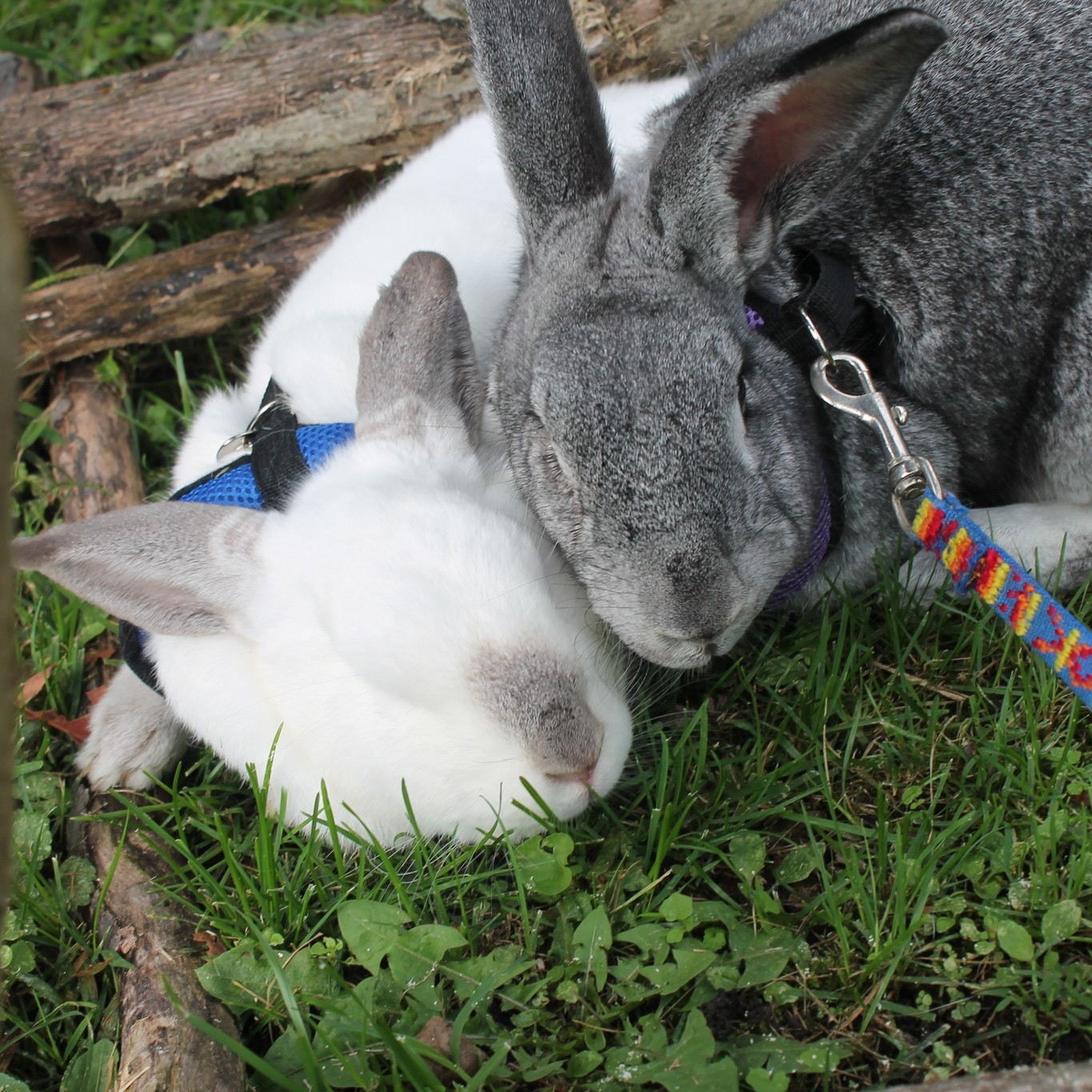
Callie, the white Californian rabbit, and Sandy, the grey American Chinchilla rabbit, showcase the beauty of different rabbit breeds. Each breed has unique characteristics and requirements. Websites like The Livestock Conservancy provide valuable insights into these breeds. For prospective rabbit owners, understanding these differences is vital. Not all rabbits share the same care needs.
In addition to space, diet, and a safe environment, companionship is critical for rabbits. They are inherently social animals that thrive on interaction. Adopting more than one rabbit—preferably of the same gender—is highly recommended. This helps to mitigate loneliness and boredom, enhancing their quality of life. The companionship of another rabbit can lead to healthier social behaviors and reduce stress.
A rabbit-savvy veterinarian is an invaluable resource for any rabbit owner. Not every vet has the experience necessary to treat rabbits effectively. Finding a veterinarian who understands the specific health needs of rabbits can make a significant difference in their well-being. Regular check-ups and preventive care, including vaccinations and dental checks, are essential.
Understanding the exact breed characteristics is particularly important when adopting rabbits. Different breeds vary in size, temperament, and care requirements. For instance, some breeds can grow to be quite large, such as the Flemish Giant, while others remain smaller. Knowing these details helps potential owners prepare adequately for their new pets.
Callie and Sandy serve as excellent ambassadors for educating the public about rabbit care. As members of a bunny rescue prior to joining us, they have experience in interacting with people. Their friendly demeanor and playful nature make them well-suited for community education.
Photos of Callie and Sandy enjoying the last bits of summer weather highlight their joyful existence. It’s important to provide them with an environment that encourages natural behaviors and movement. Observing them can remind potential pet owners of the responsibility they take on when adopting a rabbit.
Involving oneself in rabbit advocacy and awareness can create a ripple effect. When community members understand the needs of these animals, they are more likely to adopt responsibly. This includes following guidelines for care and connecting with local rescues. Promoting rabbit welfare will ultimately lead to healthier, happier bunnies in homes everywhere.
Adopting a rabbit comes with responsibilities comparable to those of dogs or cats. Ensuring one is prepared for the long-term commitment is vital. Learning to anticipate their needs fosters a better relationship between owner and pet. This bond is crucial, as understanding your rabbit’s emotions and preferences cultivates a nurturing environment.
Rabbit care extends beyond mere physical necessitates. Additionally, mental health plays a significant role in their overall well-being. Providing toys, like tunnels and chew items, engages their minds and helps alleviate boredom. Mental stimulation is equally vital as physical exercise, making it essential to maintain a varied environment.
Rabbits have strong personalities. Some may be adventurous, while others are more cautious and reserved. Understanding these traits can facilitate a better owner-rabbit relationship. Being patient and observing their behaviors will foster trust, allowing for a more interactive dynamic.
Hygiene is another consideration. Regular grooming helps maintain coat health, particularly in long-haired breeds. It also provides an opportunity for bonding between the rabbit and owner. This routine allows for the early detection of potential health issues, ensuring rabbits remain in prime condition.
Creating a stable environment significantly contributes to a healthier pet. Changes in routine or environment can cause stress for rabbits. Maintaining consistency with feeding times, handling, and play areas will reduce anxiety. Acknowledge the signs of stress, which can manifest in various behaviors such as hiding or aggression.
Training rabbits, though less common, can be a rewarding experience. They can learn basic commands and tricks, responding positively to positive reinforcement. Training sessions can offer mental engagement. They will appreciate the time spent interacting with their human companions.
Engaging with local groups and forums provides valuable peer support. Many rabbit owners are eager to share insights and experiences. Through community engagement, one can gather practical advice and meet others who share the same passion for rabbit care.
As ambassadors, Callie and Sandy embody the commitment to educate others on proper rabbit care. They inspire a more enlightened approach towards pet ownership. Their personalities showcase the joys of rabbit companionship while emphasizing the importance of responsible adoption practices.
Continuous education about rabbit care can spark broader awareness. Informative workshops or events can draw in curious pet seekers. Offering materials focusing on rabbit needs further supports informed decision-making. Tackling misconceptions about rabbit care fosters empathy and responsibility in potential adopters.
Empowering communities to be more rabbit-savvy ultimately benefits everyone, including the rabbits themselves. Fostering an understanding of the challenges involved in care is essential. Advocacy efforts should center around creating environments where rabbits can thrive. This commitment requires recognizing and rectifying common pitfalls faced by new owners.
In summary, Callie and Sandy are ambassadors for all rabbits, emphasizing the need for responsible ownership. Their presence highlights the importance of understanding their requirements, from appropriate diets to social needs. By prioritizing proper education and community awareness, we promote a compassionate approach to rabbit care. This journey leads to a happier life for rabbits and their owners alike.
*****
Source Description
Say 👋 to Callie and Sandy, our two ambassador rabbits! They came from a bunny rescue, where they used to be ambassadors as well. Many rabbits are acquired as pets for holidays, such as Easter, but then the owners don’t fully understand what goes into their care like:
▶️Lots of room to exercise & forage
▶️Rabbit-proofed home (they can, and will, chew through cords, wooden furniture, and pretty much anything within reach)
▶️Constant supply of fresh hay and a variety of vegetables in their diet, not just carrots 🥕 (our girls love their leafy greens, especially kale and endive!)
▶️Friends! Rabbits are very social, so adopting more than one of the same gender is advised
▶️Rabbit-savvy vet! Not all local vet offices treat rabbits
Rabbits, just like cats and dogs, come in a variety of breeds, with some that can be 1 foot long or even larger (like Flemish giants), so it’s important to learn about the details of a breed you might be adopting, as they have their own wants and needs.
Callie, the white rabbit, is a Californian rabbit, and Sandy, the grey rabbit, is an American Chinchilla rabbit. Sites like The Livestock Conservancy have a lot of information about the various breeds of many species.
☀️Enjoy these photos of them savoring the last bits of summer weather. We hope you are too!
