
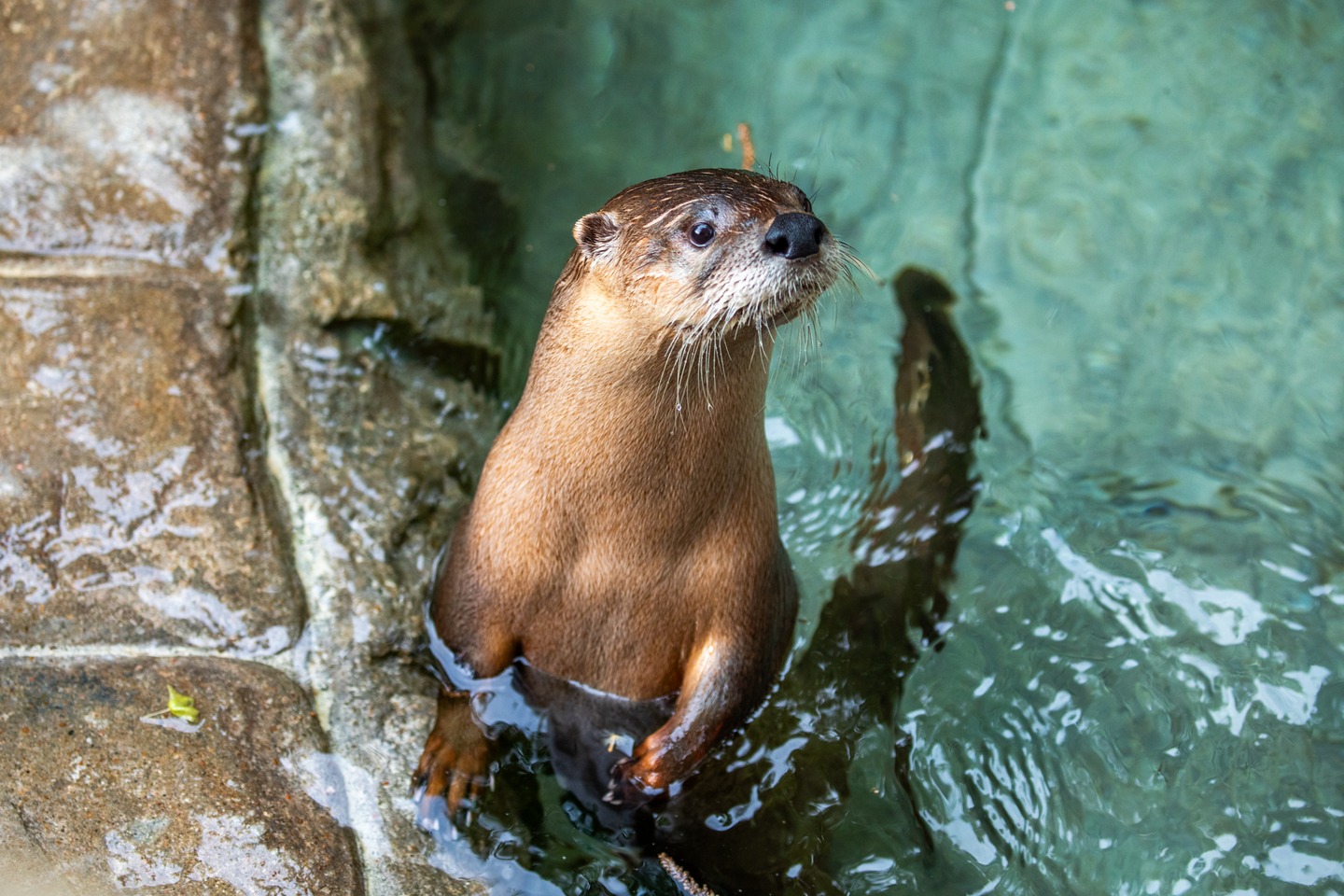
- Introduction to Flotsam the river otter and her new home at the Tulsa Zoo
- Biological characteristics and behavioral traits of North American river otters
- The significance of zoo habitats in wildlife conservation
- Educational opportunities and visitor engagement at the Children’s Zoo
- Conservation efforts for North American river otters
Flotsam, affectionately known as Flo, is the newest inhabitant of the otter habitat at the Tulsa Zoo’s Children’s Zoo. This female North American river otter has quickly settled into her new environment, enchanting visitors and staff alike. Her presence not only adds to the zoo’s diverse array of species but also serves as an educational catalyst for discussing the importance of conservation and wildlife management.
North American river otters, known scientifically as Lontra canadensis, are semi-aquatic mammals recognized for their playful nature and adaptability. They possess streamlined bodies, webbed feet, and muscular tails, which make them adept swimmers. These otters are proficient hunters, feeding predominantly on fish, amphibians, and small aquatic creatures. Their whiskers enable sensitivity to vibrations in the water, assisting in locating prey.
Behaviorally, river otters are social animals, often seen frolicking in groups or pairs. This social behavior mirrors in Flo’s interactions with the environment, providing valuable enrichment. In their natural habitats, otters play a crucial role in maintaining aquatic ecosystems. By preying on fish and other organisms, they help control populations and balance the ecosystem. Observing Flo can offer visitors insights into these dynamics.
The otter habitat at the Tulsa Zoo is designed with great attention to detail, replicating the natural environment river otters thrive in. Allowing Flo to express natural behaviors ensures her physical and mental well-being. By providing an enriching space with water bodies, vegetation, and plenty of opportunities for exploration, the zoo promotes a high standard of care. This setting also enables the public to witness firsthand how these animals interact with their environment.
Zoos like Tulsa Zoo play a critical role in wildlife conservation. The presence of animals like Flotsam allows for the preservation of species that might face challenges in the wild due to habitat loss or pollution. By educating the public on these issues, zoos raise awareness and inspire conservation actions. Zoos collaborate with conservation organizations to participate in breeding programs, genetic diversity preservation, and reintroduction strategies.
The Children’s Zoo provides an engaging platform for visitors to learn more about different species, emphasizing hands-on educational opportunities. Programs offered at the zoo help visitors grasp the complexities of animal behaviors and environmental challenges, fostering a deeper connection to wildlife. Through interactive displays, guided tours, and educational materials, guests are encouraged to understand and appreciate the intricacies of conservation efforts.
Conservation efforts for North American river otters have seen success due to protective legislation and initiatives focused on habitat restoration. By maintaining clean rivers and wetlands, otters have begun to regain numbers in areas where they were once scarce. The efforts made by the Tulsa Zoo echo these broader conservation strategies, reinforcing the importance of habitat protection and sustainable practices.
Visitors to the Tulsa Zoo have the opportunity to see Flotsam in her element, gaining insight into the life of North American river otters. By observing Flo, individuals can develop an appreciation for these charismatic creatures and become ambassadors for their conservation. Each encounter with Flo is a reminder of the beauty of wildlife and the need to protect our natural world for future generations.
Flo’s introduction to the zoo illustrates the significant role zoos play in animal conservation, education, and public engagement. The presence of Flotsam at the Tulsa Zoo offers a unique opportunity for visitors to connect with nature and foster a commitment to preserving biodiversity. Through continued education and conservation efforts, we can work towards a more sustainable coexistence with the natural world.
*****
Source Description
We’ve got an otterly amazing update! Everyone, meet Flotsam, affectionately known as Flo! 🦦 This female North American river otter can be spotted in the otter habitat at the Children’s Zoo. She’s been settling in well, and we’re thrilled to welcome her to our Tulsa Zoo family!
If you don’t see her right away during your visit, she may be resting behind the scenes, so be sure to check back later. Say hi to Flo next time you’re here!
