
- Overview of Ring-Tailed Lemurs and Their Characteristics
- Introduction to Kato and Kellan: The New Residents
- Social Structure and Behavior of Ring-Tailed Lemurs
- Conservation Status and Efforts in the Wild
- Importance of Public Engagement and Education
Ring-tailed lemurs (Lemur catta) are among the most recognizable and charismatic members of the lemur family, renowned for their distinctive long black-and-white striped tails and expressive faces. Native to Madagascar, these primates exhibit a wide range of social behaviors and adaptations that have evolved to navigate their unique habitat. They mainly inhabit the dry forests and scrubland of Madagascar, where they play a vital role in the ecosystem.
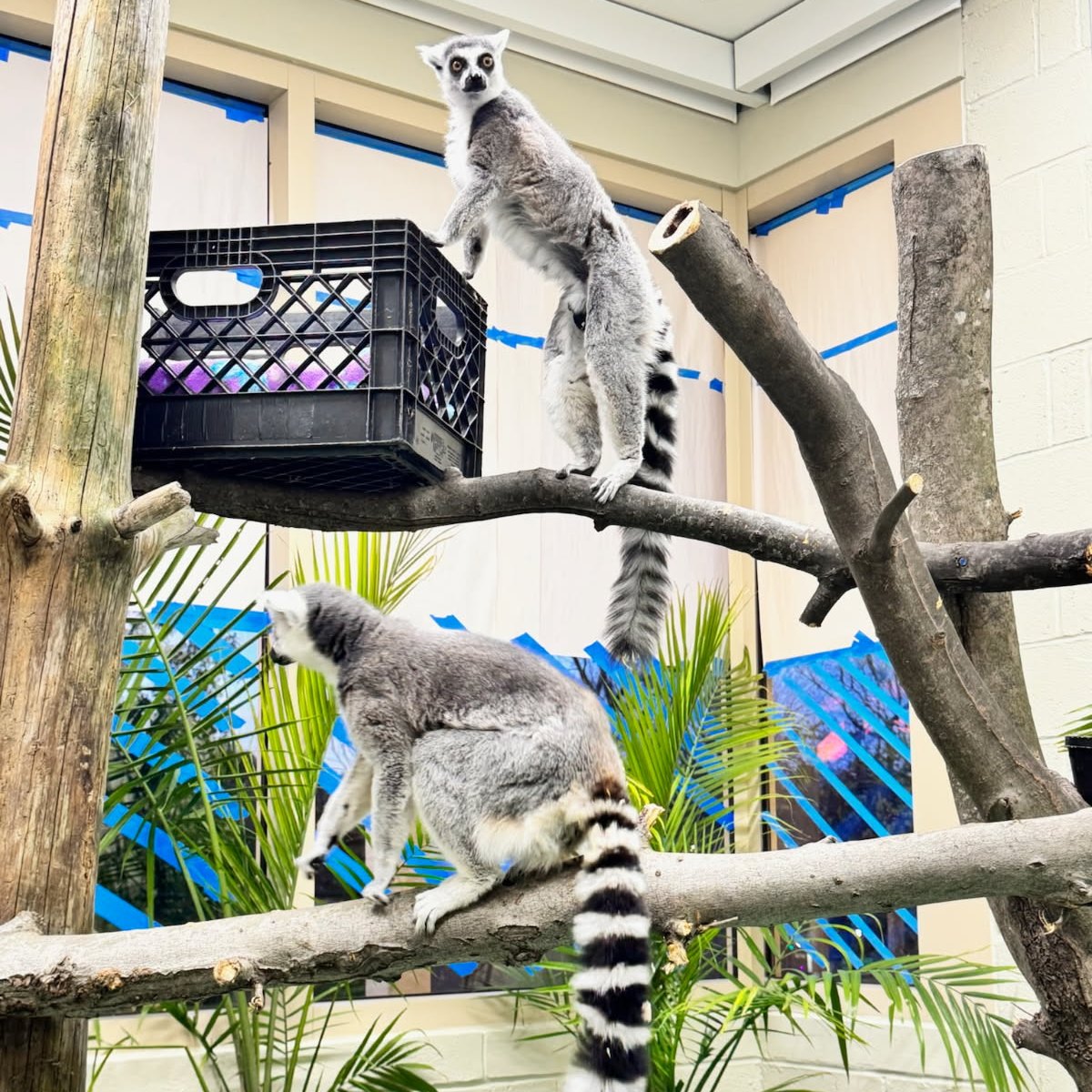
Kato and Kellan, our two new ring-tailed lemurs, have recently joined the Animal Wellness Center. They were welcomed with great enthusiasm. These two individuals will not only become an attraction for visitors but also serve as ambassadors for their species, raising awareness about the challenges faced by ring-tailed lemurs in their natural habitats.
Kato and Kellan are striking examples of the characteristics that define their species. Adult ring-tailed lemurs are approximately 17 to 24 inches in length, not including their tails, which can be equally long. Their fur is primarily grey with white patches on their hands, face, and legs, and their eyes are often described as large and expressive, enabling them to see well in low light conditions. This adaptation is crucial for their foraging behavior, allowing them to find food during early mornings and late afternoons.
Ring-tailed lemurs are diurnal, meaning they are active during the day. They primarily feed on a diet of fruits, leaves, and flowers, which they forage for in their living environment. This dietary preference plays a crucial role in their survival and impacts the health of Madagascar’s forests, as it helps in seed dispersal. Kato and Kellan’s dietary needs in the Animal Wellness Center are met with a carefully curated diet that mimics what they would find in their natural habitat, complemented with a variety of fresh fruits and vitamins, ensuring they remain healthy and engaged.
Understanding the social structure of ring-tailed lemurs adds a layer of depth to their fascinating lives. They live in social groups called troops, which usually consist of 5 to 30 individuals. Female dominance is a notable feature of their society. Females are typically larger than males and play a leading role in decision-making within the troop. This matriarchal society has fascinated researchers who study how differences in gender roles evolve in varying ecological contexts.
Within the troop, relationships are complex but essential for survival. Social bonds are reinforced through grooming and vocalizations, which play crucial roles in maintaining group cohesion. Kato and Kellan will likely exhibit these behaviors, providing visitors with insight into the everyday dynamics of ring-tailed lemurs. Grooming not only aids in maintaining hygiene but also serves as a social activity, strengthening relationships between individuals.
Another fascinating aspect of ring-tailed lemurs is their method of communication. They use a variety of vocalizations, from loud calls to express danger, to softer sounds for close-range communication. This vocal versatility plays an essential role in coordinating group movements and activities. Visitors to the Animal Wellness Center can anticipate observing Kato and Kellan participating in various vocal exchanges that are typical of their species.
Conservation issues are critical to the future of ring-tailed lemurs. Habitat destruction is their main threat. Deforestation, largely driven by agricultural expansion and logging, has significantly reduced their habitat. Additionally, climate change poses further challenges to their survival, altering the delicate balance of their ecosystem. Currently, ring-tailed lemurs are classified as critically endangered by the International Union for Conservation of Nature (IUCN). This alarming status emphasizes the need for active conservation efforts.
Organizations dedicated to wildlife conservation are working tirelessly to protect ring-tailed lemurs and their habitats. They focus not only on habitat preservation but also on community engagement and education. Such efforts promote sustainable practices among local populations, helping to mitigate the environmental impacts of agriculture and logging. By fostering a sense of stewardship, these organizations aim to create lasting change in Madagascar.
Public engagement with animals like Kato and Kellan is pivotal for increasing awareness of wildlife conservation. Zoos and animal wellness centers serve as conduits through which people can learn about endangered species and the environmental issues they face. Educational programs can inform visitors about the critical challenges surrounding ring-tailed lemurs while making connections between their lives and the conservation efforts needed to protect them.
The Animal Wellness Center plays a vital role in this context, acting as a space not only for care and rehabilitation but also for education and communication. Visitors can learn about the life history and status of Kato and Kellan, fostering a deeper understanding of the significance of the species. Engaging exhibits can spark interest and inspire future generations to become involved in wildlife conservation.
Through initiatives like Kato and Kellan’s exhibit, visitors can grasp the resilience and adaptability of ring-tailed lemurs while recognizing the pressing need for their protection. Exhibits can inform the public about the steps being taken to support species recovery, making the topic of wildlife conservation more relatable and attainable.
Kato and Kellan are not just two new attractions; they represent the larger story of ring-tailed lemurs struggling for survival in a rapidly changing world. As visitors observe their behaviors, share in their lives, and learn about the challenges their species faces, a greater sense of connection emerges. This emotional engagement can motivate people to support conservation efforts, both locally and globally.
Research involving ring-tailed lemurs has increased significantly over the last few decades, contributing vital information to understanding their ecology, behavior, and health needs. Insights gleaned from studying Kato, Kellan, and others can inform best practices for captive care, which can ultimately aid in breeding programs aimed to secure the endangered population. By integrating research findings into management strategies, zoos and animal wellness centers can contribute to a broader conservation strategy that spans fieldwork and captive breeding.
Understanding the biology and ecology of ring-tailed lemurs is not only fascinating but essential for the survival of the species. Their reproductive habits also provide insight into the population dynamics of this critically endangered species. Tunnel vision on the short-term aspects of conservation can detract from appreciating long-term strategies crucial for their persistence.
The spotlight on Kato and Kellan provides a unique opportunity to educate the public. Engaging storytelling, informative signage, and interactive exhibits can spark curiosity and compassion, resulting in meaningful conservation action. Their new environment will not merely serve as a habitat; it will be a platform to galvanize support for ring-tailed lemurs and the broader ecological context in which they thrive.
By observing and understanding Kato and Kellan, visitors have the potential to influence positive change. Education serves as the backbone of conservation efforts. Knowledge empowers individuals to act. Whether through advocating for sustainable practices, supporting conservation organizations, or simply raising awareness among peers, every action counts.
Kato and Kellan exemplify the spirit of ring-tailed lemurs, capturing the imagination of visitors while putting a spotlight on the urgent need for wildlife conservation. By harnessing their story, centers like ours can inspire people not only to appreciate these extraordinary animals but to take action to preserve their natural habitats.
Through continued education, community engagement, and effective conservation strategies, we can aim to create a future where Kato, Kellan, and their fellow ring-tailed lemurs thrive both in captivity and in their natural habitats. The ongoing journey of these remarkable animals serves as a reminder of our shared responsibility to protect biodiversity for future generations.
*****
Source Description
Leaping lemurs, who’s that? Kato and Kellan, two of our new ring-tailed lemurs, are currently on view at our Animal Wellness Center!
