
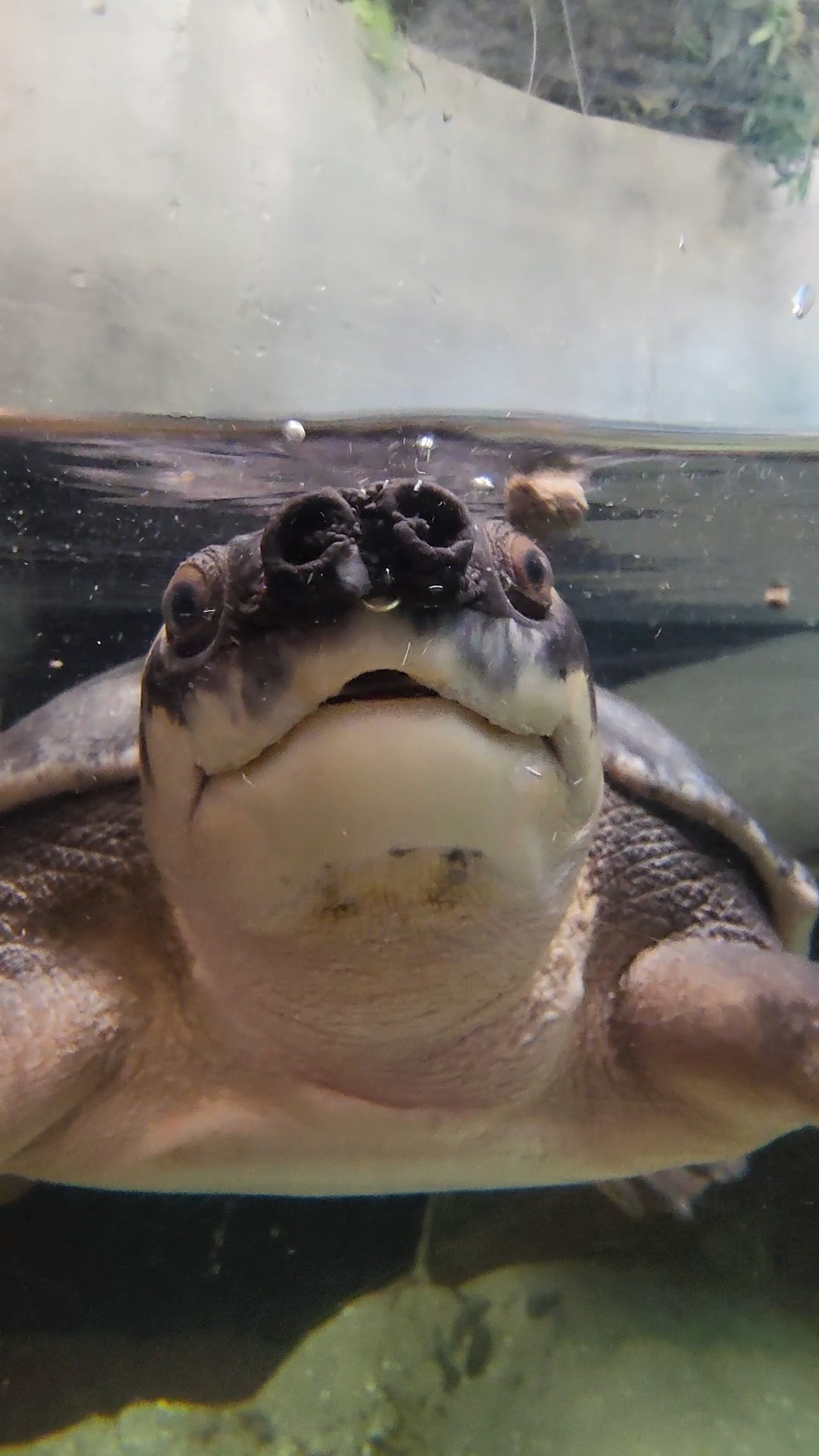
- The significance of animal companions in enhancing our lives.
- Understanding the dietary needs of pets, focusing on turtle biscuits.
- The role of social media in promoting animal welfare.
- Animal behavior and the importance of interaction.
- Insights into zoology and conservation through pet ownership.
The significance of animal companions in enhancing our lives goes well beyond mere companionship. Pets have been shown to provide mental, emotional, and even physiological benefits to their owners. They motivate us to be active, offer non-judgmental support, and enhance our social interactions. Scientific studies indicate that the presence of pets can lead to lower levels of anxiety and depression. When we take a break from our busy lives to say hi to a pet, like Meatball reveling in his delicious turtle biscuits, we engage in an act that improves both our mood and our pet’s well-being.
Meatball’s enjoyment of turtle biscuits provides a perfect opportunity to explore the dietary needs of pets. It is critical to ensure that the foods we offer our animal companions meet their specific health requirements. Turtle biscuits, often formulated to provide balanced nutrition for reptiles, contain essential vitamins and minerals that mimic the nutrients turtles would find in the wild. Understanding these dietary components is a cornerstone of responsible pet ownership. For instance, a well-balanced diet for a turtle typically includes calcium and vitamin D, which are crucial for maintaining healthy shells and bones. This not only affects the animal’s health but also its behavior and longevity.
In recent years, social media has emerged as a powerful platform for raising awareness about animal welfare. Pet profiles, videos, and interactions can capture the hearts of millions, making it easier for organizations to promote rescue animals and conservation efforts. Content that evokes an emotional response—like Meatball enjoying his turtle biscuits—often goes viral, motivating followers to learn more about specific species, their needs, and how to care for them. This digital engagement serves as an element of outreach that traditional methods may lack. By interacting with our pets and sharing those moments online, we also encourage others to recognize the intrinsic value of animal welfare.
Examining the behavior of animals leads to insights about the importance of interaction. Pets communicate non-verbally, and understanding these signals can make owners more attuned to their needs. For instance, when Meatball is happily munching on his biscuits, his body language speaks volumes about contentment and security. Such interactions are critical for building a bond between humans and animals. Regular engagement, based on an understanding of species-specific behaviors, can reduce stress for both the animal and the owner. It promotes socialization, mental stimulation, and healthy habits that enrich the lives of both parties.
Knowledge of zoology and conservation can also flourish through the prism of pet ownership. Engaging with animals, whether it be our own pets or species we encounter in the wild, can deepen our understanding of biodiversity and ecosystems. Owning a turtle, for instance, calls for a commitment to meet specific habitat and nutritional needs that reflect their natural environment. This care reinforces a broader understanding of wildlife conservation. Those who invest in caring for their pets may become more motivated to support efforts aimed at preserving their wild counterparts. Education, therefore, extends from individual pets to species preservation as a whole.
Meatball’s delightful moments, whether spent savoring turtle biscuits or interacting with his owner, are important reminders about the interconnectedness of pet care, animal welfare, and conservation. Through thoughtful dietary choices, engaging social media practices, and informed behavioral interactions, pet owners can contribute significantly to sustainable practices and enrich their lives in the process. The modern landscape of pet ownership is evolving rapidly, enriched by discoveries about animal behavior and the role of social media in raising awareness for animal rights and preservation efforts.
An essential component of Meatball’s enjoyment of his meal lies in the nutritional content and how it affects his overall health. Pet owners must have a clear understanding of what goes into commercial products like turtle biscuits. Most reputable brands formulate their products to mimic the natural diet of turtles, including protein sources, fiber, and necessary minerals. It is paramount for any owner to read labels and consult with veterinarians to ensure the diet aligns with the specific requirements of their pet’s species. This diligence lays the groundwork for optimal health, longevity, and contentment.
Social media platforms have changed how we interact with pets, providing unlimited avenues for sharing experiences. Videos like Meatball luxuriously enjoying his turtle biscuits not only entertain but also educate others about these fascinating animals. Hashtags and dedicated animal welfare communities create networks where information can flow freely, encouraging discussions on best practices for pet care. As more people become active in these channels, they also amplify the voices advocating for humane treatment and conservation efforts, fostering a culture that values animal life.
The emotional bond created during these interactions can lead to significantly improved mental health for owners too. Pets often serve as emotional support, offering companionship in trying times. In turn, this relationship encourages responsible pet ownership, as owners become more mindful of their pets’ needs—both physical and emotional. The act of saying hi to Meatball as he munches on his turtle biscuits brings a moment of joy and connection that resonates on multiple levels. Therefore, knowing just how much our animal companions contribute to our lives enhances our understanding of their care.
Animal behavior studies serve as an enlightening lens through which we can evaluate our pets’ needs. Contentment, like that of Meatball when snacking, is marked by behaviors such as relaxed body posture, lack of defensive responses, and even purring or soft vocalizations. These cues reflect an animal’s well-being. Recognizing and responding to these signals can deepen the human-animal bond and foster an atmosphere of safety and trust. Observing and interpreting animal behavior is not merely a skill for trainers; it is an essential aspect of pet ownership that can yield rich interactions.
Pet ownership serves as a moral primer, teaching fundamental lessons about responsibility, empathy, and stewardship towards all living things. As owners engage in caring for animals like Meatball, they often begin to consider broader issues. An individual dedicated to nurturing a pet may find themselves asking how they can contribute to animal welfare in their community or globally. This shift from personal care to a desire for conservation reflects a growing awareness of the obligations humans have to both domesticated and wild animals.
Moreover, educational initiatives and community programs can also tap into the enthusiasm generated by pet ownership. Workshops focusing on the dietary needs and behavioral understanding of pets can bridge gaps in knowledge while reinforcing the importance of humane treatment of animals. These efforts can inspire the next generation of zoologists and conservationists, affirming the role pets play in guiding us toward better environmental practices and understanding of animal behavior.
The moments we share with our pets, whether it be saying hi to Meatball as he enjoys his special turtle biscuits or engaging in play, are rich with opportunity for learning and growth. They serve as gateways to a deeper understanding of animal ecology, nutrition, and conservation. Engaging with animals on both a personal and community level fosters a profound respect for biodiversity, encouraging people not only to care for their pets but to become advocates for animal welfare and conservation at large.
The journey of responsible pet ownership opens doors to greater understanding and appreciation of animal life. This is more than simple companionship; it is a commitment to nurturing life, advocating for animal welfare, and contributing to conservation efforts. By engaging with Meatball as he indulges in his delightful turtle biscuits, we are not merely enjoying a moment; we are partaking in a broader dialogue about ethics, care, and stewardship of the planet’s diverse life forms. Each bite of that turtle biscuit symbolizes not just sustenance but a connection to nature, responsibility, and the future of wildlife conservation.
*****
Source Description
✋😡 STOP scrolling and say hi to Meatball right now while he’s enjoying his turtle biscuits!
