
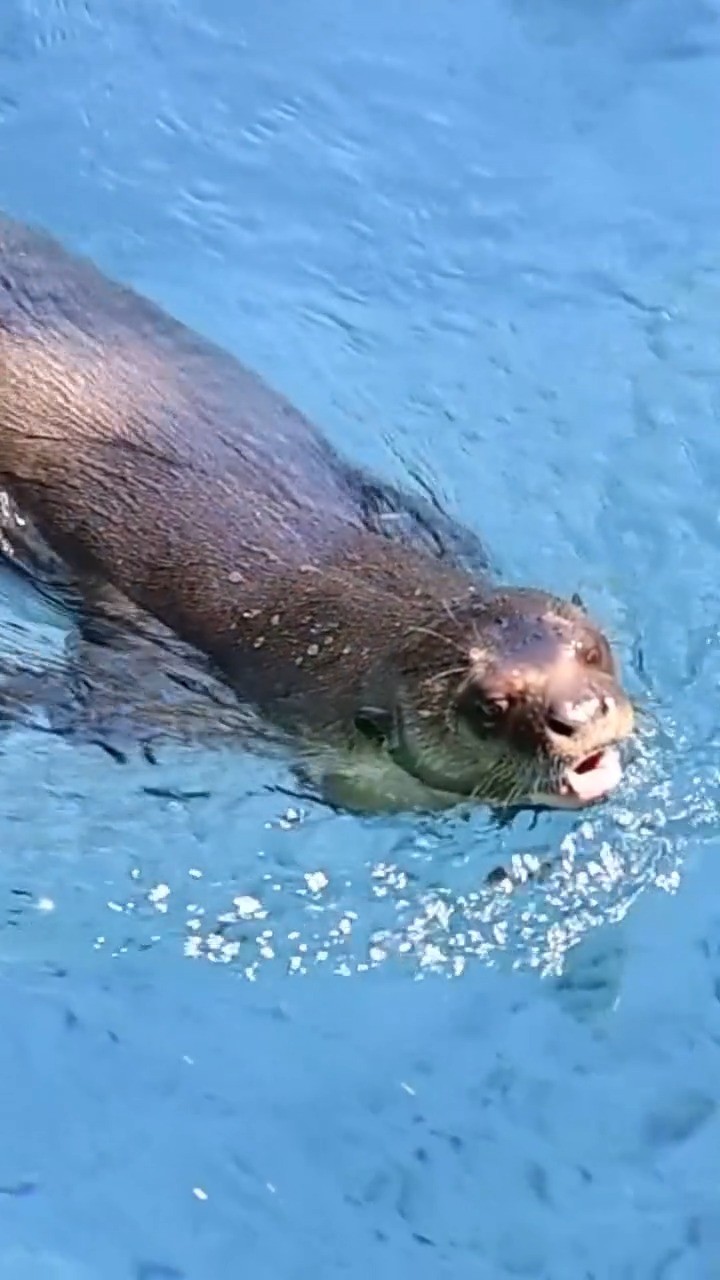
- Giant otters: biology, habitat, and family dynamics
- Conservation challenges and threats to giant otters
- The role of L.A. Zoo in otter conservation and care
- Visitor engagement and education at the L.A. Zoo
- The importance of global conservation efforts
Giant otters, known as the largest otter species, are captivating creatures that spark curiosity with their social structures and playful behavior. These animals grow up to six feet long and are native to the riverine systems of South America, particularly the Orinoco, Amazon, and La Plata rivers. Often called the “wolves of the river,” they live in tight-knit family units, usually comprising a breeding pair and their offspring, and display remarkable teamwork, particularly in hunting fish. The communal living structure of giant otters plays a crucial role in their survival, enhancing cooperation and protection within their groups.
The habitat of giant otters includes diverse aquatic environments like rivers, lakes, and swamps. They build dens along riverbanks, creating secure spaces to raise their young. A typical day in the life of a giant otter involves hunting, grooming, and social interactions that strengthen family bonds. Vocal communication is particularly vital for these animals, helping them coordinate during hunts and maintain group cohesion.
Despite their fascinating biology and social interactions, giant otters face significant conservation challenges. They are classified as endangered, primarily due to human activities. Poaching, driven by the demand for their sought-after pelts, has drastically affected their populations. Additionally, habitat loss from deforestation and agriculture disrupts their natural environment. Pollution further degrades the quality of their aquatic habitats, threatening their food sources and health.
The conservation challenges facing giant otters demand concerted international efforts. Governments, NGOs, and local communities must collaborate to curb poaching, implement habitat restoration projects, and enforce laws protecting these animals. The role of environmental education is equally critical, fostering awareness about the significance of preserving these ecosystems for future generations.
The Los Angeles Zoo plays a pivotal role in giant otter conservation, blending expert husbandry with educational outreach to protect these remarkable animals. With a commitment to high standards of care, the zoo provides a habitat that mirrors the otters’ natural environment, enabling Misty and Mia, the zoo’s playful pair, to thrive. The zoo engages in breeding programs aimed at bolstering genetic diversity and increasing the population of this endangered species.
At the L.A. Zoo, Misty and Mia are not just ambassadors for their species but also a source of inspiration for visitors. Guests are treated to the sight of these charismatic animals frolicking in their pools, snacking on fish, or snoozing together. The zoo’s interactive exhibits and talks are designed to educate the public on the importance of wildlife conservation and the unique attributes of giant otters.
The zoo’s efforts extend beyond showcasing these creatures; they focus on providing visitors with insights into the broader environmental issues impacting giant otters. Educational programs emphasize the human-driven threats these animals face and how individual actions can contribute to broader conservation goals. By visiting the zoo, guests directly support conservation initiatives, aiding in the global effort to safeguard the future of giant otters.
The importance of global conservation efforts cannot be understated. As threats to wildlife increase worldwide, the need for sustainable practices and robust conservation strategies becomes even more pressing. The collective efforts of zoos, educators, scientists, and policymakers are essential in creating and maintaining healthy environments for endangered species. In the case of giant otters, such cooperation is crucial for reversing their decline and ensuring these fascinating animals continue to play their role in the ecosystem.
Overall, giant otters like Misty and Mia serve as both entertainers and educators, bridging the gap between humans and the natural world. Their story is a powerful reminder of the interconnectedness of life and the responsibility we share in preserving it. By understanding and supporting the conservation of species like the giant otter, we contribute to a more biologically diverse and balanced world.
*****
Source Description
🦦 Happy from Misty and Mia, the L.A. Zoo’s playful pair of giant otters! Whether they’re swimming, snacking, snoozing, or squeaking, these charismatic cuties capture hearts and create unforgettable moments for Zoo guests. Giant otters are the largest otter species, growing up to six feet long. Native to the Orinoco, Amazon, and La Plata river systems in South America, they live in family groups along rivers, lakes, and swamps—earning them the nickname “wolves of the river” for their teamwork while hunting fish. 🐺
Sadly, giant otters are endangered due to poaching, habitat loss, and pollution. But your visit to the L.A. Zoo helps protect them. We’re proud to continue our long tradition of caring for and supporting giant otters through expert husbandry and conservation efforts. 💚
