
- Understanding the Role of Badgers in Ecosystems
- Behavior and Social Structure of Badgers
- The Importance of Habitat Conservation
- The Impact of Human Activities on Badger Populations
- Ways to Support Badger Conservation Efforts
Badgers are small, burrowing mammals belonging to the family Mustelidae, which includes other species like otters and weasels. One of the most recognized species is the European badger (Meles meles), known for its distinctive black and white facial markings. Understanding the ecological role of badgers is crucial to grasp the intricate connections they maintain within various ecosystems. They are key species that contribute significantly to soil health and biodiversity.
Badgers play an essential role in maintaining the balance of the ecosystems they inhabit. As omnivores, they consume a varied diet of earthworms, insects, fruits, and small vertebrates. Their foraging behavior aids in pest control, which is beneficial for agriculture and human interests. Additionally, when badgers dig their burrows, they aerate the soil, leading to improved nutrient circulation and, consequently, healthier plant life. This kind of interaction illustrates how their presence enriches the ecological community.
Examining their social structure can deepen your understanding of badger behavior. Badgers often live in clans, which can consist of several adults and their offspring. They are nocturnal, primarily active at night, which helps them avoid human disturbances and potential predators. Their burrows, called setts, can be extensive, often comprising multiple entrances and a network of tunnels. This structure not only serves as a home for the badgers but can also provide shelter for other animals, highlighting their role in fostering biodiversity.
Habitat conservation is vital for badgers and numerous other species dependent on stable ecosystems. Badgers primarily thrive in grasslands, woodlands, and mixed agriculture areas. However, urban development and agriculture often lead to habitat fragmentation. The destruction of their natural environments can drastically affect their populations. Conservation efforts often focus on habitat restoration and protection. Preserving migratory pathways enables badgers to locate mates and access vital resources, promoting population stability.
Human activities have a significant impact on badger populations. Road construction and vehicular traffic pose lethal threats. Highways can effectively isolate badger populations, restricting gene flow and endangering their long-term survival. Furthermore, badgers are often victims of agricultural practices, such as the use of rodenticides, meant to control other pest species. These chemicals can inadvertently harm non-target species like badgers, leading to population decline.
Public engagement is critical for effective badger conservation. Increasing awareness about their role in ecosystems can foster a more empathetic attitude toward these creatures. Initiatives may include local programs that focus on habitat preservation or even citizen science projects where volunteers assist in monitoring badger populations. Engaging communities can make a vital difference, both financially and socially, in furthering conservation goals.
Researchers and conservationists also emphasize the importance of responsible wildlife management. This incorporates policies that prioritize the well-being of badger populations, ensuring they thrive alongside human development. Safeguarding their habitats can be a straightforward yet impactful goal. Implementing measures such as wildlife corridors can significantly mitigate the dangers presented by roadways.
Education is another powerful tool in enhancing public understanding of badgers. Schools and community organizations can host educational events that highlight the significance of badgers in local ecosystems. By fostering curiosity and respect for wildlife, communities can contribute positively to conservation efforts. Sharing knowledge not only prepares the next generation for environmental stewardship but also can convert attitudes toward proactive involvement in wildlife preservation.
Badgers are often misunderstood and face negative outcomes based on misconceptions. Public perception can lead to misguided management strategies that jeopardize their survival. As such, dispelling myths about their behavior, diet, and ecological significance is essential. Promoting factual information can help diminish unfounded fears and highlight their contributions to the ecosystem.
In Italy, extensive research has been conducted to study the impact of habitat fragmentation on badger populations. The findings highlight the importance of landscape connectivity and the need for ecological corridors that allow safe passage between habitats. By understanding these dynamics, conservation measures can be put in place to enhance the likelihood of long-term sustainability for badger populations across diverse regions.
The increasing prevalence of climate change poses additional challenges for badger conservation. Shifts in weather patterns can affect food availability, reproductive cycles, and habitat suitability. Badgers require specific conditions to thrive, and any disruption in these factors could lead to a decline in their numbers. Addressing climate change’s impact on wildlife populations is a pressing issue for conservationists worldwide.
Active participation in conservation efforts can foster stronger community ties. Citizens can organize local clean-up days or tree-planting initiatives aimed at restoring habitats. Collaborative efforts can result in not only the improvement of local ecosystems but also a greater appreciation for the wildlife that inhabits them, including badgers.
Additionally, partnerships between government agencies, nonprofit organizations, and community groups can amplify conservation efforts, pooling resources and expertise to address issues related to badger populations. By enabling collaborative endeavors, communities can work towards shared goals focused on habitat maintenance and sustainability.
To effectively advocate for badgers, support for local legislation aimed at protecting their habitats is paramount. Keeping informed about local and national policies can empower individuals to voice their concerns to decision-makers. Participating in discussions surrounding wildlife management and conservation policies can drive positive changes in how wildlife is regarded, especially in urban environments.
Individuals can also contribute by supporting wildlife organizations that specialize in badger conservation. Many organizations offer volunteering opportunities, educational resources, and donation vehicles dedicated to preserving critical habitats. Such contributions reinforce the essential message of coexistence and the importance of protecting the diverse wildlife that shares our planet.
The effort to raise awareness about the need for conservation cannot be overemphasized. Utilizing social media platforms to create campaigns can broaden the conversation about badgers and their ecological importance. Engaging stories and facts can inspire others, mobilizing a larger community focused on the preservation of these vital creatures.
Protecting badgers requires a multifaceted approach, combining education, public engagement, and collaborative efforts. Their role in ecosystems is significant, and a deeper understanding of their behavior, social structures, and habitats enhances our approach toward conservation. Combating the negative impacts of human activity is crucial to ensure that badger populations thrive in their natural environments.
The call for wildlife conservation is clear. By supporting habitat preservation, educating ourselves and others, and actively engaging in local initiatives, individuals can make a difference in badger conservation efforts. Our collective responsibility toward protecting these creatures is vital for maintaining biodiversity and promoting healthier ecosystems. Any effort made, no matter how small, contributes positively to the survival of badgers and the overall health of the environment in which we all coexist.
*****
Source Description
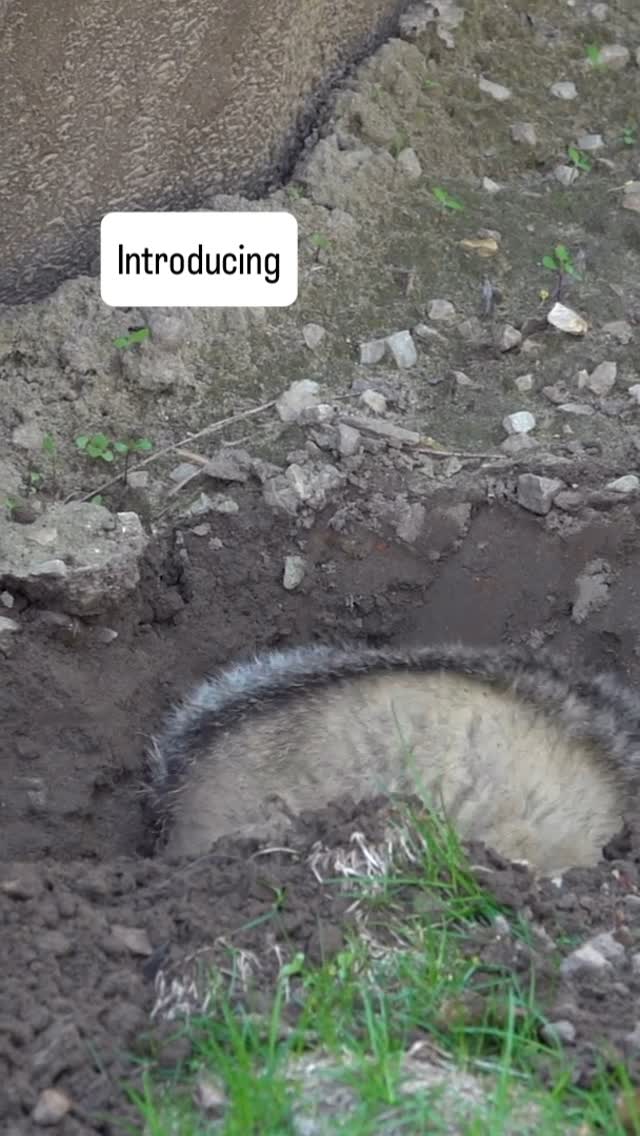
It is… Oscar the badger!
