
- The role of the Tropical Conservatory in butterfly conservation and education.
- The impact of severe weather on wildlife management practices.
- Responsibilities of entomologists in zoo settings and captive breeding programs.
- Collaborative efforts between different zoos for wildlife preservation.
- The educational and ecological significance of butterfly releases.
Butterflies play a critical role in ecosystems, acting as pollinators and contributing to biodiversity. The Tropical Conservatory’s recent introduction of butterflies from the St. Louis Zoo highlights important conservation strategies and educational initiatives. This event underscores the significance of creating environments that foster butterfly growth and development, serving both ecological and educational purposes. With its climate-controlled settings, the Tropical Conservatory ensures these insects find an ideal habitat, aiding their survival and promoting public awareness of their plight.
The transport and release of butterflies after severe weather demonstrate adaptive wildlife management practices. Sudden weather changes pose significant challenges, impacting both animal well-being and habitat stability. In response, zoos must employ strategies that protect creatures from environmental disruptions while maintaining their health. This involves preparedness for emergencies and collaborative efforts to remedy potential damage quickly and effectively.
In the zoo setting, entomologists like Tad are pivotal. Their expertise encompasses monitoring, assessing butterfly health, and ensuring genetic diversity within captive populations. Through captive breeding programs, these professionals work to sustain and enhance population numbers of threatened species. Their role is essential in conducting research, managing habitats, and educating the public, blending science with conservation advocacy.
Collaborative arrangements between zoos, such as the partnership between the St. Louis Zoo and the Tropical Conservatory, are vital for wildlife preservation. These collaborations facilitate genetic variety, support breeding initiatives, and provide new habitats that mimic natural environments, essential for species recovery. By pool resources and knowledge, zoos create opportunities for research and implement conservation techniques with broader reach and impact.
The educational aspect of butterfly releases is immense. By witnessing these creatures thrive and fly, the public gains insight into the delicate balance of ecosystems and the interdependence of species. Such initiatives inspire awareness and involvement in conservation efforts, highlighting the broader significance of protecting natural habitats. Butterfly releases also serve as a tangible representation of successful collaboration and dedication to wildlife conservation, engaging audiences in meaningful ways.
These initiatives underscore key zoological and conservation principles, inviting the wider community to engage with and contribute to biodiversity preservation efforts. The story of the butterflies’ journey from the St. Louis Zoo to taking flight in the Tropical Conservatory is a testament to resilience, collaboration, and education.
*****
Source Description
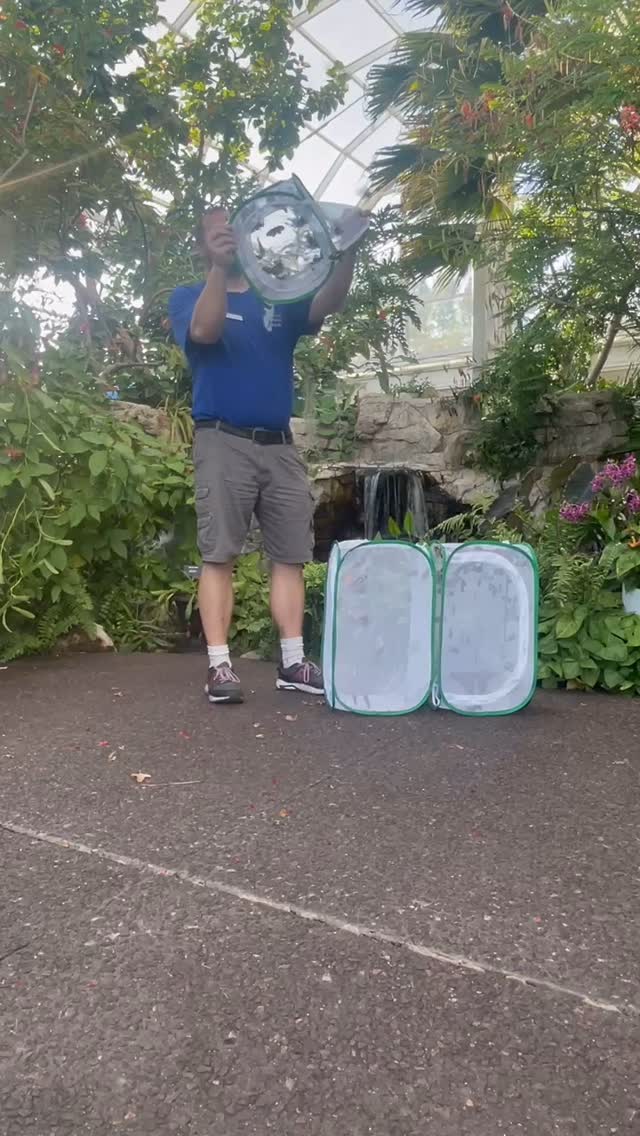
Check out our new butterfly friends, from the St. Louis Zoo, taking flight in our Tropical Conservatory. Senior Entomologist, Tad, transported and released them yesterday after severe weather moved through our area. 🦋 We wish our St. Louis Zoo friends a quick cleanup. 💙
