
- Introduction to World Parrot Day and its significance
- The diversity and conservation status of parrots
- Threats faced by parrot populations globally
- Considerations for keeping parrots as pets
- Conservation efforts and ways individuals can help
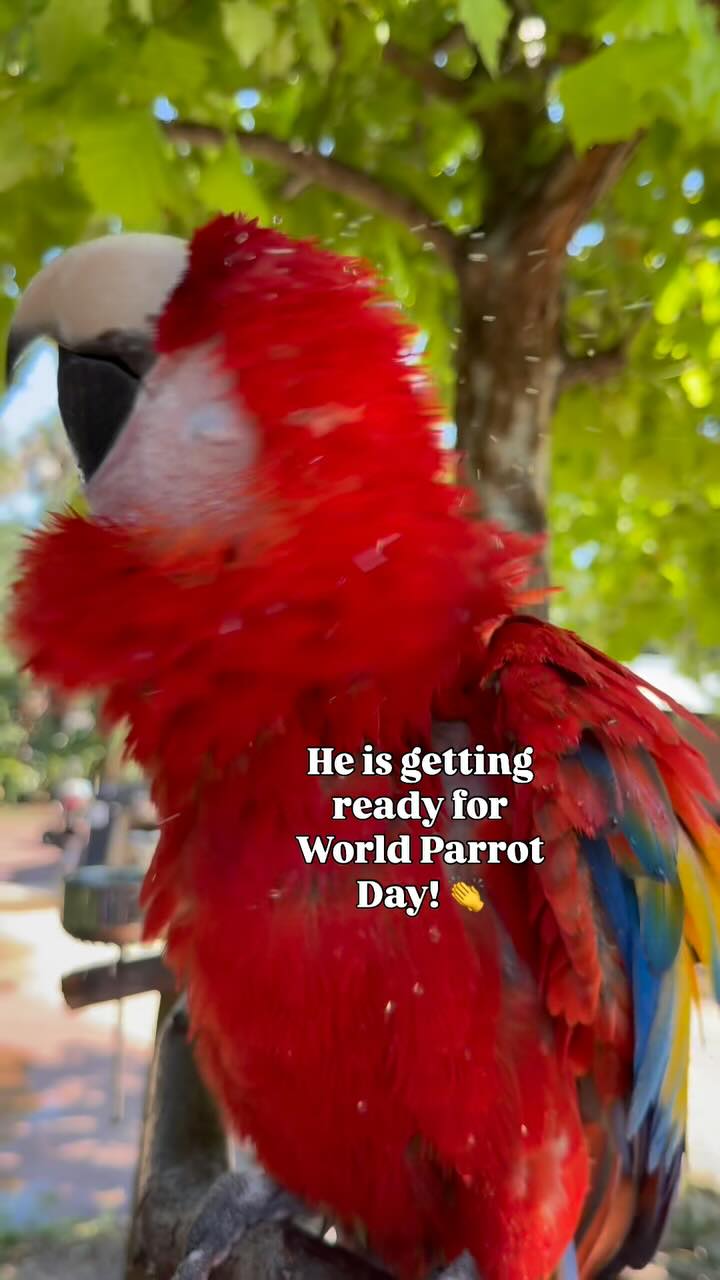
World Parrot Day, celebrated on Saturday, May 31st, is an important event dedicated to raising awareness about the incredible diversity and conservation needs of parrots and macaws. Ricky, our vibrant ambassador, is gearing up to participate in this celebration, highlighting the detailed challenges these captivating birds face and the significance of their conservation.
Parrots are one of the most diverse avian groups, with approximately 390 species divided among various families, including cockatoos, macaws, and parakeets. These birds are renowned for their vibrant plumage, intelligence, and ability to mimic human speech. Unfortunately, their beauty and intelligence have made them targets for the pet trade and poaching. A staggering 45% of parrot species are listed as Near Threatened or higher by the International Union for Conservation of Nature (IUCN). This concerning statistic underlines the urgent need for coordinated conservation efforts.
One of the primary threats to parrots is habitat loss. Rapid deforestation, driven by agricultural expansion, logging, and urbanization, destroys the tropical and subtropical forests parrots call home. Of particular concern is the farming of palm oil, which often involves clear-cutting techniques that devastate ecosystems and leave little room for wildlife, including parrots, to survive. These industrial-scale farming practices not only reduce the availability of suitable habitats but also isolate parrot populations, making it difficult for them to thrive.
Beyond habitat destruction, the illegal pet trade poses a significant threat. Parrots are often poached from the wild due to their striking appearance and vocal abilities. This illegal trade severely impacts their populations, with many young birds suffering from rough handling and inadequate care, leading to high mortality rates before reaching consumers. Reduced wild populations lead to weakened genetic diversity, making species more vulnerable to disease and environmental changes.
For those considering parrots as pets, it’s essential to be fully informed about their needs. Parrots are not just any pets—they are complex animals requiring extensive care. They can live for decades, necessitating a long-term commitment. These birds demand mental stimulation, social interaction, and specific dietary needs, which can make them challenging to keep. Their loud calls and tendency to create messes may not be suited for every household. Prospective owners must research thoroughly and prefer birds from reputable breeding programs rather than contributing to the demand for wild-caught parrots.
In light of these challenges, conservation efforts play a critical role in protecting parrot species. Organizations worldwide are working to rehabilitate habitats, combat illegal poaching, and implement breeding programs that enhance genetic diversity. Supporting such initiatives can be as simple as spreading awareness, donating to conservation groups, or choosing products that are sustainably sourced—such as avoiding those containing unsustainable palm oil.
On the community level, individuals can join local efforts or international campaigns to protect parrots and their habitats. Engaging in citizen science projects, adopting sustainable living practices, and advocating for stronger wildlife protection laws are tangible steps we can all take. Furthermore, educating others about the challenges parrots face and their ecological significance can foster a collective effort toward their preservation.
World Parrot Day serves as a global call to celebrate these extraordinary birds and acknowledge the importance of their conservation. Understanding the intricacies of their threats and the role we play in their survival is vital. By embracing our responsibility, we can contribute to a future where parrots continue to thrive in the wild, enriching the ecosystems they inhabit and inspiring generations to come.
*****
Source Description
Meet Ricky! He is getting ready for World Parrot Day! 💦
World Parrot Day is Saturday May 31st and we’re looking forward to celebrating them! 🦜 Did you know that there are about 390 different types of parrots and macaws. The IUCN* lists 189 species (45%!) as Near Threatened or higher.
🦜 Parrots are threatened for many different reasons. Some direct threats include poaching for their colorful feathers or for the pet trade. They face more threats like habitat loss, primarily due to unsustainable farming practices. Palm oil in particular is a product that is often farmed using clear-cutting techniques that destroy habitats for many animals.
🦜 Parrots may not be the best pet for everyone – they can live a long time, are loud, messy, expensive and have specialized diets and high social needs. You can take action to protect parrots by making sure a parrot is right for you before adopting it, and making sure it comes from a breeding program rather than from wild sources.
🦜 Follow the Parrot TAG on Facebook or Instagram @parrot_tag
*IUCN: International Union for Conservation of Nature.
