
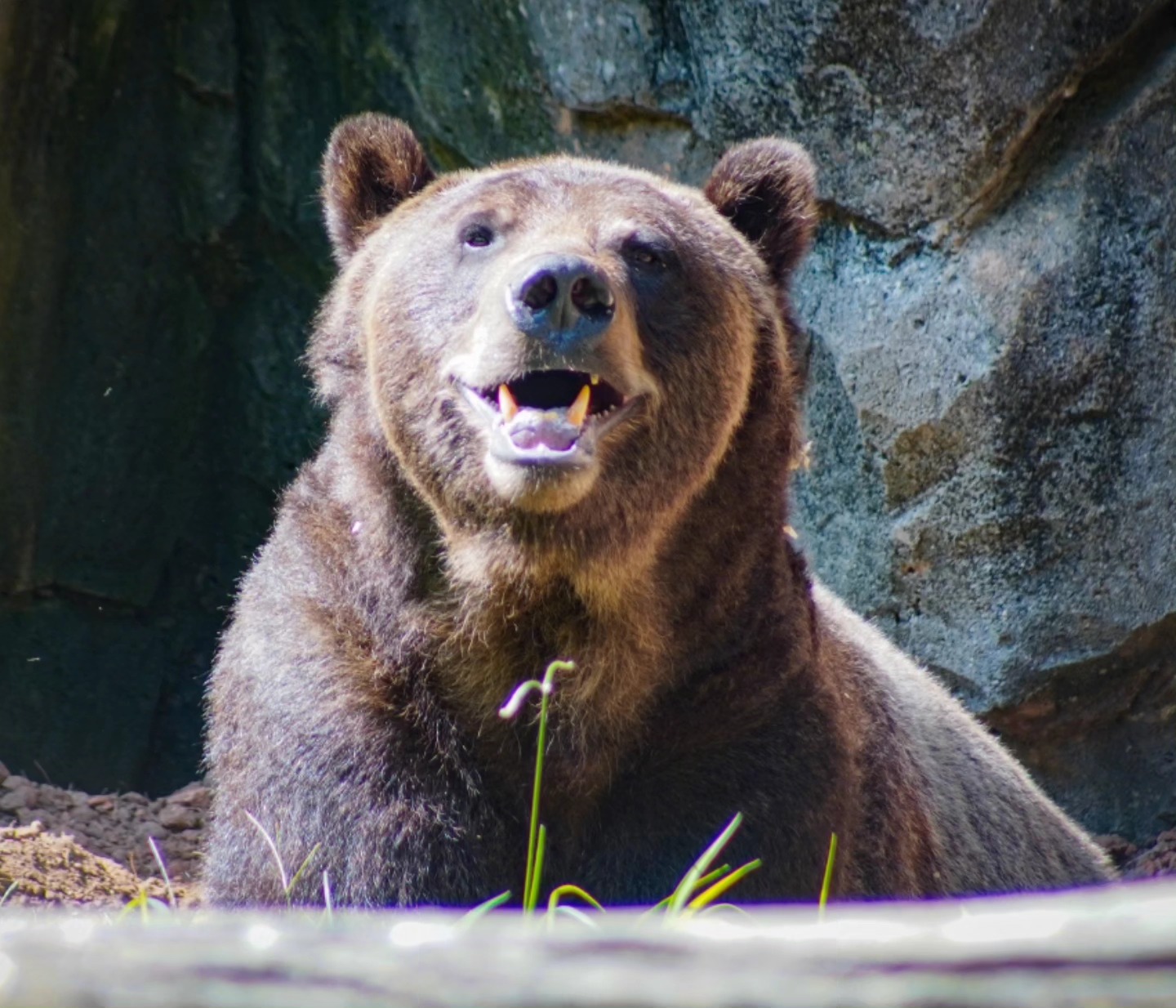
- Overview of Ronan, the Grizzly Bear: Habitat and Characteristics
- The Importance of Grizzly Bears in Ecosystems
- Conservation Efforts and Challenges Facing Grizzly Bears
- The Role of Zoos in Wildlife Preservation
- Engaging with Ronan at @nczoo: Educational Experiences and Visitor Impact
Ronan, the Grizzly Bear, serves as much more than an attraction at the North Carolina Zoo; he represents a vital thread in the tapestry of wildlife conservation and education. Understanding Ronan’s natural history helps illuminate not just his individual story but also the broader narrative of grizzly bears and their ecological significance. Grizzly bears (Ursus arctos) are remarkable creatures, renowned for their size, strength, and adaptability in various habitats.
Grizzly bears are typically found in North America, inhabiting areas from the Canadian Arctic to regions of the northern United States. They prefer environments that offer both forested regions and open meadows, which provide ample food sources and denning sites. Grizzly bears can weigh between 400 to 1,500 pounds and exhibit a range of colors from light brown to almost black, with a distinctive hump on their shoulders caused by large muscles that support their powerful forelimbs. Ronan, like his wild counterparts, exhibits an array of behaviors: foraging for food, denning in winter, and establishing social structures. Grizzlies are omnivorous, consuming a diet rich in fruits, nuts, fish, and small mammals.
Understanding these characteristics sets the stage for recognizing the pivotal role these animals play in their ecosystems. Grizzly bears are keystone species. Their foraging habits influence vegetation patterns, and their role as predators helps maintain the balance of various animal populations. For instance, when grizzlies hunt salmon during spawning seasons, they not only fulfill their nutritional needs but also contribute nutrients to the soil through waste. This process enriches the ecosystem, fostering growth among plants and other wildlife.
However, grizzly bears face numerous challenges in the wild. Habitat destruction due to human activities, climate change, and hunting pressures threaten their populations. Urban development encroaches upon their habitats, significantly reducing available land for foraging, mating, and denning. The rise in human populations near bear habitats leads to more frequent bear-human interactions, often resulting in negative outcomes for both parties. Such pressures necessitate active conservation efforts.
Conservation organizations and wildlife management groups focus on various strategies to secure the future of grizzly bears. Habitat preservation, legal protections, and education initiatives are vital tools. Protecting vast tracts of wilderness helps sustain ecosystems where grizzlies can thrive. Legislation like the Endangered Species Act has played a role in regulating hunting and protecting habitats. Additionally, educational outreach enables communities to understand the importance of grizzly bears and the ecological roles that they fill.
Zoos, such as the North Carolina Zoo, serve a crucial function in wildlife conservation, providing educational opportunities and promoting awareness about grizzly bears and other species. By housing animals like Ronan, zoos engage visitors in conversations about conservation challenges. They offer insights into animal behavior, diet, and habitat needs, making science accessible to the general public. Interactive displays, educational programs, and informative talks help visitors connect with wildlife on a personal level.
At the NC Zoo, visitors can witness Ronan’s daily activities—from feeding routines to enrichment exercises designed to challenge his cognitive capabilities. This engagement provides a window into the lives of grizzly bears, fostering empathy and understanding while highlighting the importance of preserving these animals in their natural settings. Events tailored around Ronan often include discussions on bear conservation, thus amplifying the message and elevating awareness among zoo-goers.
Moreover, zoos often partner with wildlife conservation programs to support field research and rehabilitation efforts. Through financial contributions and collaboration, they can enhance the survival chances of grizzly bears in the wild. This connection improves the broader narrative of conservation and demonstrates how zoos can positively impact animal populations globally.
Engaging with Ronan and his story encourages guests to contemplate their relationship with nature. By learning about the challenges faced by grizzly bears, individuals can become more informed advocates for wildlife conservation. Recognizing the beauty and intricacies of these animals inspires visitors to contribute positively, whether through advocacy, responsible tourism, or supporting local conservation organizations.
In this shared journey towards conservation awareness, grizzly bears—including Ronan—serve as symbols of hope. They challenge us to think critically about the environment and inspire collective action to safeguard wildlife. With the right initiatives and continued public engagement, we can create a future where grizzly bears and countless other species can thrive in harmony with humanity.
*****
Source Description
Here’s a reason to smile today😃
Ronan, the Grizzly Bear! | 📷 at the @nczoo
