
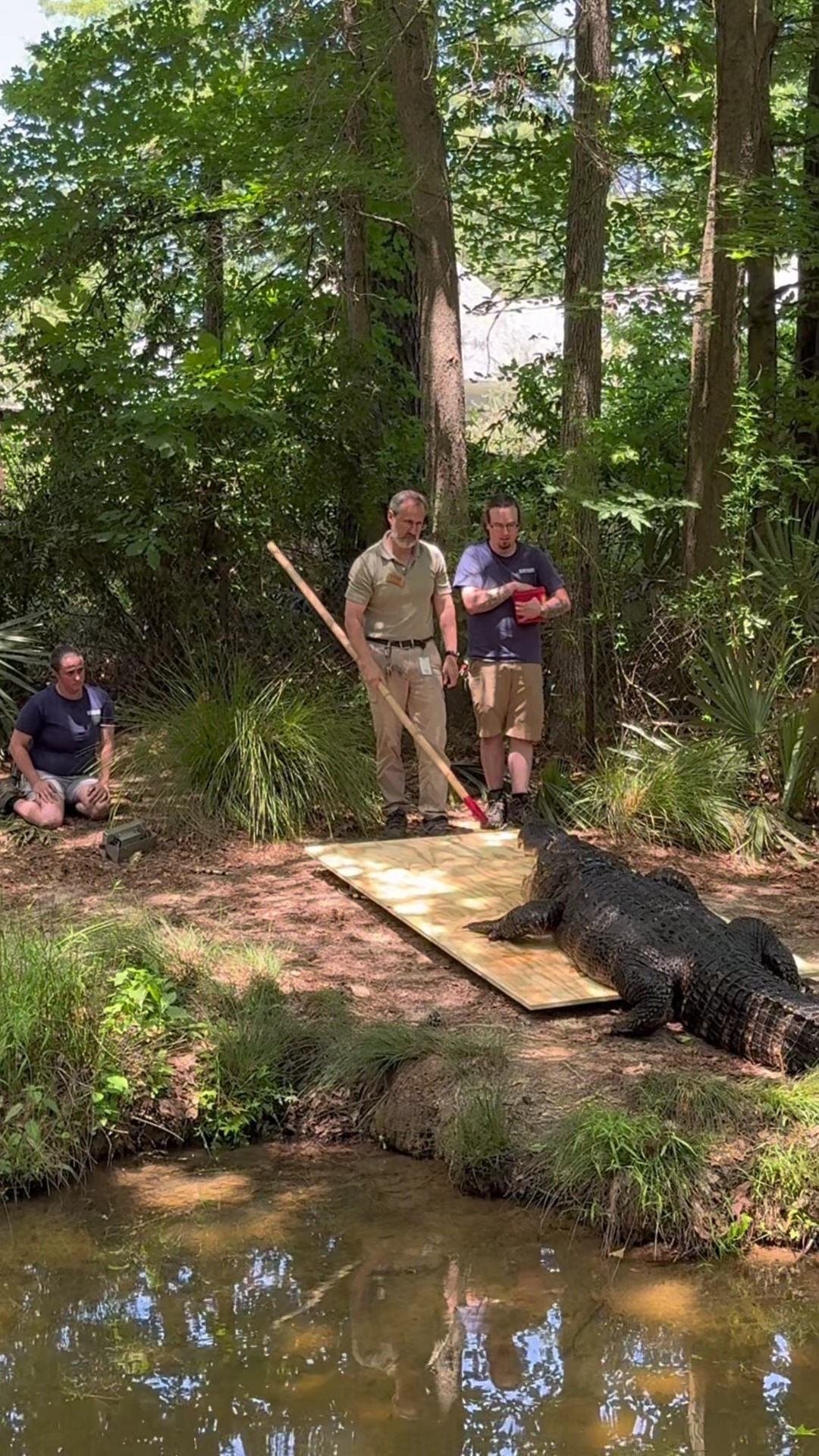
- Understanding Sean’s role as Curator of Herpetology
- Insights into American alligators and their habitat
- The significance of Little Boy as an ambassador for wildlife
- Conservation efforts for American alligators
- Engaging with herpetology through educational initiatives
Sean holds the position of Curator of Herpetology at Riverbanks Zoo. His responsibilities include overseeing the care of reptiles and amphibians, ensuring their well-being, and educating the public about these often-misunderstood creatures. Sean works closely with a dedicated team of herp keepers who assist in the daily care and management of these animals. Together, they monitor health, diet, and behavior of various species, enriching visitors’ experiences with informative presentations.
One of Sean’s notable projects involves Little Boy, a resident American alligator who recently reached an impressive weight of nearly 500 pounds. His name might suggest otherwise, but the sheer size of this alligator demonstrates the power of effective wildlife management. By weighing animals like Little Boy regularly, Sean and his team can keep track of their health and detect any changes that may indicate underlying issues.
American alligators, scientifically known as Alligator mississippiensis, are fascinating reptiles. They thrive in various aquatic environments, with a preference for freshwater bodies such as swamps, marshes, and rivers. Despite their adaptability, they can endure brief periods in brackish water, where salt and freshwater mix. Their habitat is crucial for food sources like fish, birds, and small mammals. Alligators play an essential role in these ecosystems, helping to control fish populations and maintain balanced food webs.
Understanding the characteristics of American alligators provides insight into their behavior and adaptation. They possess a powerful bite and strong jaws, allowing them to catch and restrain prey effectively. Adult males can grow up to 13 feet long, and while females generally don’t reach the same size, both exhibit remarkable adaptability. Alligators are also proficient swimmers, using their strong tails to propel themselves underwater. Initially, young alligators are more vulnerable, often falling prey to larger species. However, as they mature, their size affords them better protection.
Little Boy acts as an ambassador for wild alligators throughout South Carolina and the southeastern United States. By showcasing him at Riverbanks, visitors gain a firsthand look at this native species and its natural behaviors. Education plays a crucial role in changing public perception. Many people fear alligators, often leading to unwarranted hostility toward them. By fostering a greater understanding of their role in the ecosystem, Sean and the herpetology team demonstrate the importance of coexistence.
Conservation efforts for American alligators have evolved significantly over the years. Once deemed endangered due to habitat loss and hunting, these reptiles have made a remarkable recovery thanks to legislation aimed at protecting them. The Alligator Management Program has implemented regulations to maintain healthy populations, allowing for controlled harvesting during sustainable hunting seasons. Monitoring efforts enable conservationists to gather valuable data on alligator populations, aiding in the development of effective management strategies.
Sean and his team also emphasize the need for responsible interactions with wildlife. Public education is vital to ensuring that people understand how to respect animal habitats. Too often, people unknowingly encroach on alligator territory, leading to dangerous situations. Sean hosts workshops and discussions aimed at highlighting the importance of protecting wildlife habitats from urbanization and pollution. These efforts empower individuals with the knowledge to advocate for environmental preservation.
Moreover, engagement in herpetology can manifest in various ways. Many educational initiatives encourage students to explore the field. Programs designed for young naturalists enable them to conduct hands-on learning experiences while gaining a deeper appreciation for reptiles and amphibians. These activities not only cultivate a sense of curiosity but inspire future generations to pursue careers in wildlife conservation and zoology.
The role of herpetology extends beyond just the care of reptiles. Professionals in this field participate in critical research addressing issues such as climate change impacts on habitats and species. For instance, understanding how temperature fluctuations affect breeding cycles in alligators is vital. As climate patterns shift, knowledge gained through research will shape future conservation strategies. Sean’s expertise enables him to contribute to initiatives that track these changes, demonstrating herpetology’s relevance in broader ecological contexts.
Through his position, Sean is actively promoting public interest in herpetology. Riverbanks Zoo provides an opportunity to connect visitors with nature, bridging the gap between human activities and wildlife. This synergy enhances public awareness and fosters support for the ongoing protection of American alligators. As visitors witness Little Boy’s impressive size and unique behaviors, they are encouraged to appreciate these powerful reptiles as integral components of South Carolina’s natural heritage.
Additionally, social media plays an important role in outreach. Posts featuring Little Boy and updates on his care reach a broader audience, helping to demystify alligators. By engaging with followers, Sean cultivates an environment where conversations about wildlife are encouraged. These interactions also prompt discussions about the necessity of conservation efforts, ensuring that important messages are shared with diverse communities.
The future of American alligator conservation is promising, driven by the continued dedication of wildlife professionals like Sean and his team. Efforts to educate the public will foster understanding and inspire proactive behaviors toward maintaining healthy ecosystems. As urban spaces expand, the preservation of alligator habitats remains vital for the overall health of the environment.
Through proactive education and community involvement, the herpetology team at Riverbanks continues to identify and tackle challenges while promoting curiosity about reptiles. By learning from professionals like Sean, individuals are empowered to contribute to conservation efforts and actively participate in the stewardship of local wildlife. Ultimately, knowledge fortifies the connection between humans and nature, creating a lasting impact on future generations.
Little Boy is not just a resident alligator; he embodies the integrated efforts of conservation, public education, and wildlife management. As the Riverbanks Zoo invites visitors to engage with this majestic creature, they also provide an opportunity to learn about the broader implications of wildlife conservation. Sean’s commitment to herpetology extends beyond the immediate, leaving a legacy of awareness and action that resonates beyond the zoo’s boundaries.
The work of Sean and the herp keeper team goes beyond curating a collection of reptiles. It represents a commitment to fostering an understanding of the interconnectedness of wildlife and human activities. This comprehensive approach sets the groundwork for continued conservation and appreciation of American alligators, ultimately ensuring their presence in the natural world for years to come. Visitors are encouraged to take part in this journey, exploring the intricate relationships between alligators and their habitats while championing the importance of wildlife preservation.
Embracing the opportunity to witness Little Boy at Riverbanks Zoo is more than a simple wildlife experience; it’s an essential connection to the mission of conservation and environmental stewardship that everyone can support and participate in.
*****
Source Description
This is Sean and he’s our Curator of Herpetology. Sean and members of the herp keeper team recently weighed Little Boy 🐊, our resident American alligator.
Weighing in at nearly 500 pounds, we’d say he is anything but “little” these days!
Little Boy serves as an ambassador to his wild counterparts which can be spotted throughout South Carolina and the American southeast.
American alligators are found in many aquatic environments and typically prefer freshwater. They occasionally hang out in brackish water (saltwater and freshwater mix) but can only tolerate saltwater for brief periods of time.
Come get an up-close look at this amazing native species during your next visit to Riverbanks!
