
- The Flamboyant Flower Beetle: Physical Characteristics and Behavior
- Habitat and Geographic Distribution
- Ecological Role and Importance in Pollination
- Care and Conservation Efforts at Butterfly Pavilion
- Visitor Experience and Educational Opportunities
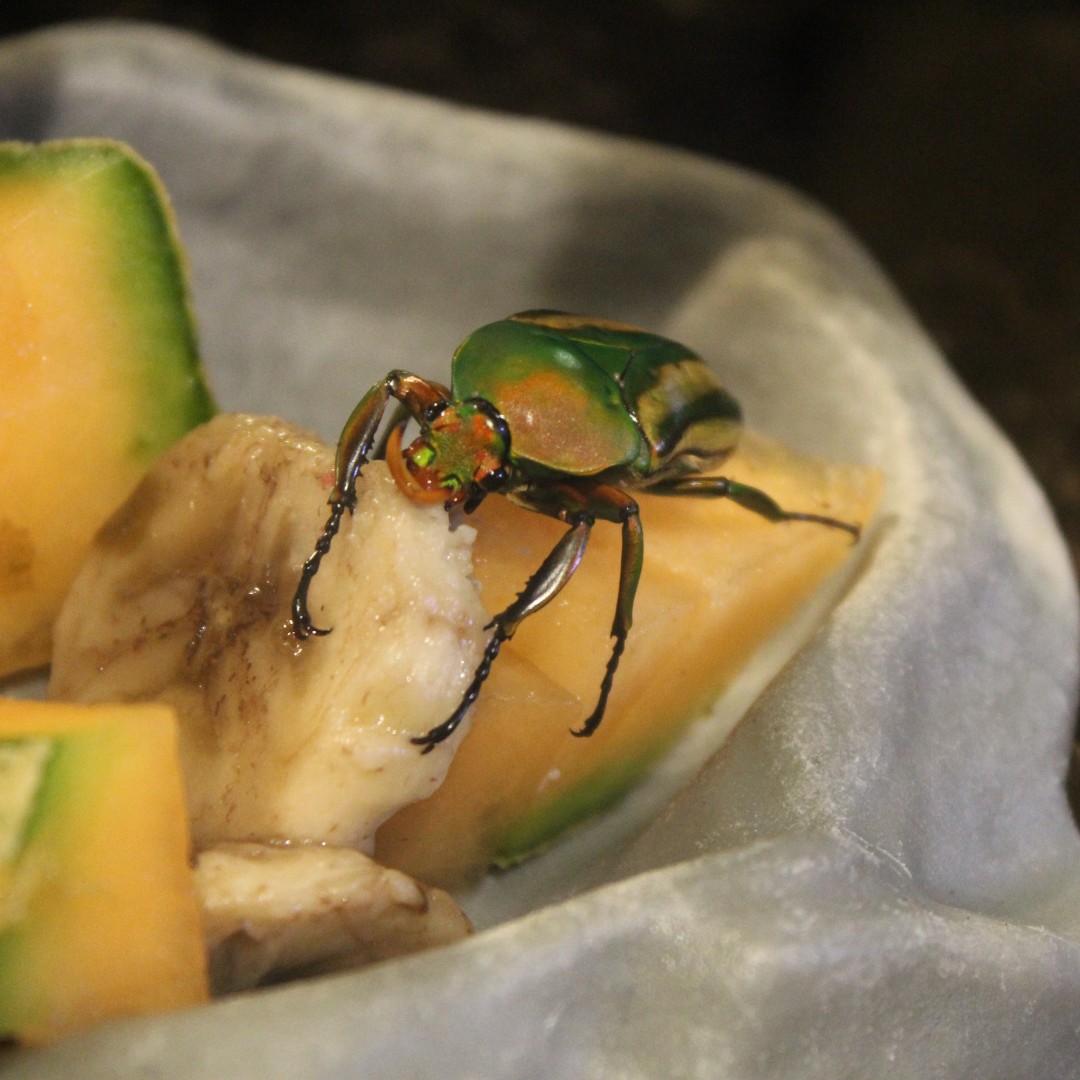
The Flamboyant Flower Beetle (Euphoria fulgida) showcases a striking appearance that captivates observers. Renowned for their vibrant coloration, these insects demonstrate sexual dimorphism, which is evident in their physical traits. Male flamboyant flower beetles possess Y-shaped horns protruding from their heads, while females feature a shovel-like tusk. These distinct characteristics not only assist in identifying the sexes but also play roles in mating strategies and competition among males. Observing these features can be a fun challenge for visitors—can you spot the differences?
This species thrives in the rainforests of Africa, primarily found in regions rich with diverse flora. The beetles predominantly inhabit rainforest canopies, where they can easily access a wide array of flowering plants. Their colorful exoskeletons allow them to blend in with the vibrant plant life, making them both a delightful sight and a fascinating aspect of their ecosystem.
In terms of behavior, female flamboyant flower beetles utilize their shovel-like tusks to dig into decaying wood or leaf litter, creating nests where they lay their eggs. Males, on the other hand, are often seen in flight, showcasing their impressive colors as they seek out females, defend territories, and engage in competition with other males.
The colorful Flamboyant Flower Beetle plays a critical role in pollination within their habitat. While foraging for nectar, they inadvertently transfer pollen from one flower to another, contributing to the reproductive processes of numerous plant species. Their activity supports biodiversity and helps maintain the balance of their ecosystem. The significance of pollinators cannot be overstated. As their populations decline globally, awareness surrounding these crucial insect species is essential for conservation efforts.
At the Butterfly Pavilion, dedicated care is given to the Flamboyant Flower Beetles. The team closely monitors their environment to ensure optimal living conditions. This attention includes regulating humidity, temperature, and diet. These beetles primarily feed on pollen and nectar, emphasizing the importance of maintaining a diverse range of flowering plants within their exhibit. Such efforts not only support the health of the beetles but also provide an opportunity for educational outreach.
Visitors at the Butterfly Pavilion are invited to observe these fascinating beetles at close range. Interactive displays and guided tours highlight the life cycle of the flamboyant flower beetle, along with their ecological roles. This format enriches the educational experience. Observers can learn about the critical relationship between pollinators and plants, fostering a greater appreciation for biodiversity. Engaging with the habitat and behavior of these beetles can spark a deeper interest in conservation issues.
Moreover, the Butterfly Pavilion also emphasizes the importance of community involvement in conservation efforts. Educational programs encourage visitors to take action. Whether it is creating butterfly gardens at home or participating in local habitat restoration projects, every effort counts in protecting these vital insects. The pavilion serves not just as a sanctuary for the flamboyant flower beetles, but as a hub of knowledge that inspires action and awareness.
The Flamboyant Flower Beetle’s presence at the Butterfly Pavilion showcases the vibrancy of life found in rainforests. By highlighting their unique traits and ecological roles, visitors can gain insights into the complex interdependencies of ecosystem dynamics. The combination of education and observation fosters an environment where individuals feel connected and empowered to support conservation efforts.
In summary, the Flamboyant Flower Beetle is not only a beautiful addition to the Butterfly Pavilion, but also a key player in its ecosystem. Understanding their physical characteristics, habitat, and role in pollination can elevate our appreciation for these creatures. Getting involved in conservation, starting with the knowledge gained from encounters with them, can lead to meaningful change. So, make your way to butterflies.org to learn more and see these alluring beetles in person.
*****
Source Description
Now on display at Butterfly Pavilion, meet our adorable Flamboyant Flower Beetles! Native to the rainforests of Africa, these colorful beetles are important pollinators for the flowers in their ecosystem. You can tell the males apart by their distinct Y-shaped horns, while females sport a shovel-like tusk. Can you spot which is which in these photos?
Come see them in person and learn more at butterflies.org!
