
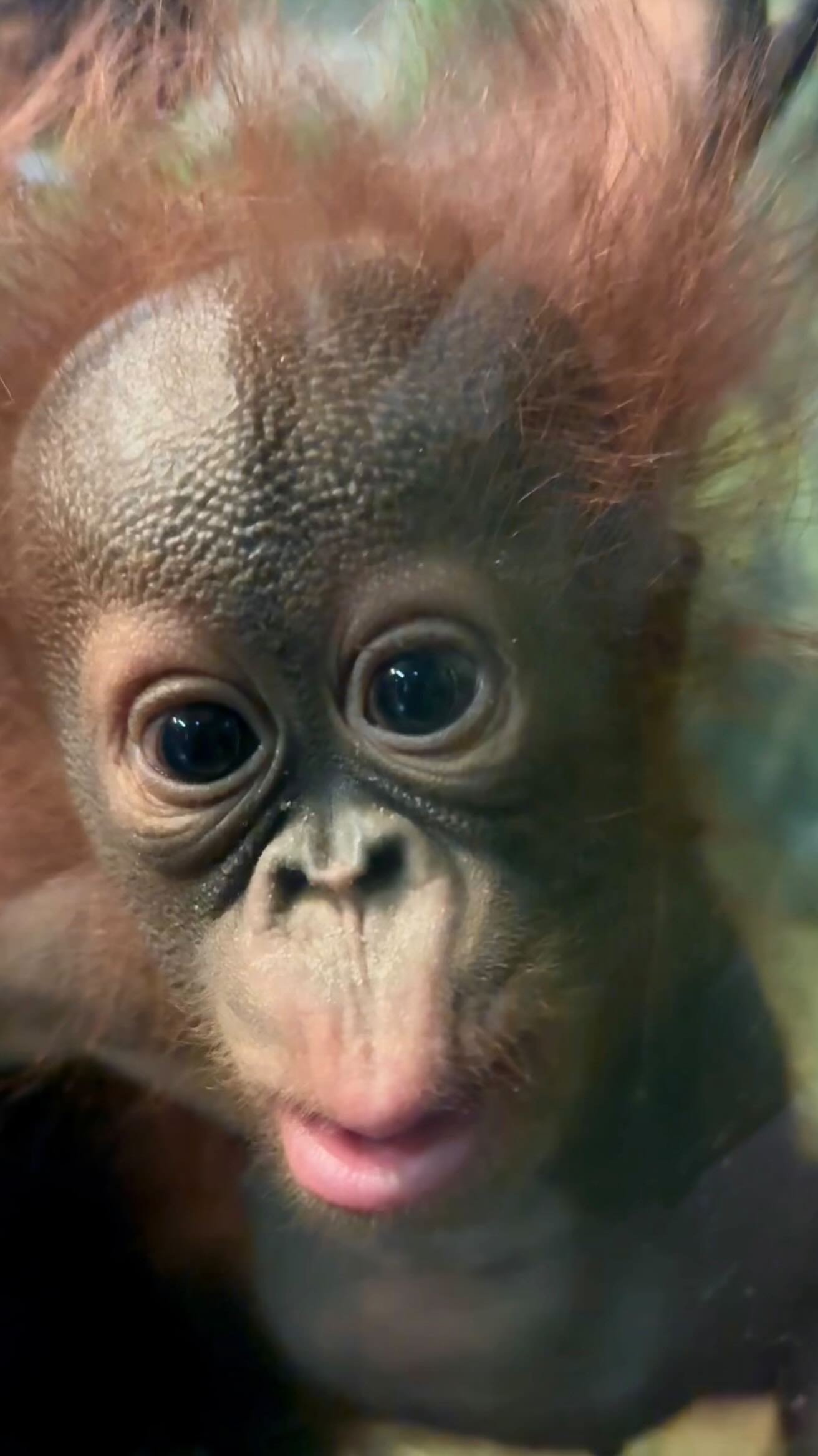
- The bond between animals enhances their well-being and contributes to their overall health.
- Observational learning among animals can be a critical aspect of their social development.
- The impact of regular human interaction on captive animals plays a significant role in their adaptive behaviors.
- Wildlife conservation efforts benefit from understanding animal interactions and friendships.
- Visitor engagement at zoos promotes awareness and support for wildlife conservation initiatives.
The bond between animals, particularly in a zoo setting, significantly influences their health and well-being. Animals like Weila and Acara, whether they are primates, mammals, or birds, thrive in environments where companionship is present. This bonding serves several functions, including social cohesion, mental stimulation, and even reduction of stress among individuals.
Social animals often rely on each other for comfort, play, and learning. In visiting Weila and Acara, one can notice how their interactions can affect behavior positively. For instance, regular contact with a companion may foster increased activity levels and a reduction in stereotypical behaviors, which are often signs of stress in captive animals. The relationship between Weila and Acara shows how these bonds can enhance their quality of life, often making them more resilient and adaptable to their environments.
Observational learning is crucial in animal development and social structures. Animals learn a significant amount through observation, especially with those close to them. Watching the dynamics between Weila and Acara reveals that their bond may facilitate processes where they learn from each other. This can include everything from foraging techniques to social signaling. For instance, if Acara learns to interact with a puzzle feeder effectively, Weila may observe and imitate the behavior, leading to dual enrichment for both individuals.
Regular positive interactions with humans can also shape captive animals’ behaviors. Consider how visits from guests may provide additional stimulation for Weila and Acara. Engaging with visitors can elicit natural behaviors, as animals often enjoy the attention and enrichment these interactions provide. Features in zoo design can further this aspect by incorporating areas where animals can feel safe to approach or retreat, allowing for a spectrum of interaction opportunities. For these animals, being accustomed to human presence can alleviate stress linked to unfamiliar visitors, which enhances their adaptability in various settings.
Conservation efforts benefit tremendously from understanding interpersonal relationships among animals in captivity. The knowledge gained from observing bonds like that of Weila and Acara feeds into broader conservation strategies. For example, knowing that animals often thrive in pairs or small groups can influence breeding programs aimed at reintroducing species to the wild. Animal friendships can also offer insights into effective social structures necessary for successful reintroduction of certain species into their native habitats.
Visitor engagement is another key element that significantly impacts wildlife conservation. Each time visitors come to the zoo to observe animals like Weila and Acara, they gain exposure to important conservation messages. Stories of animal friendship, like that of these two, can captivate audiences and inspire them to take action in support of wildlife causes. Educational efforts around these narratives can prompt more proactive engagement, such as supporting conservation initiatives or advocating for animal welfare.
Engagement is particularly vital as it fosters a connection between the public and wildlife. When individuals see and relate to friendships in the animal kingdom, it humanizes the issue and deepens awareness. Educational programs that highlight Weila and Acara’s bond can serve as a case study for emphasizing the significance of social structures in various species. These discussions can create a more informed public, better equipped to advocate for positive change within conservation practices.
Captive settings can often lead to complex challenges, but understanding animal relationships can provide insight into developmentally sound practices. Weila and Acara exhibit how companionship can buffer stress and encourage animals to engage in natural behaviors. By effectively studying these relationships, zoo management can implement policies that focus on enhancing animal welfare. This encompasses not only the dimensions of companionship but also enriched environments aligned with species-specific needs.
From a scientific perspective, examining these bonds plays a role in assessing populations in zoos. Monitoring the dynamics between animals like Weila and Acara can help determine the effectiveness of current management practices. Observations may lead to enriched environments that account for animal socialization. This approach ultimately supports broader wildlife management schemes that aim to replicate natural settings within captive environments.
If more facilities prioritize understanding animal friendship and its implications, we could see transformative changes in how captive animals are managed. Ethical considerations surrounding animal welfare include not just survival but quality of life. As visitors witness the bond between Weila and Acara, they are often moved to consider what contributes to joyful lives for various species. This empathy can translate into conservation efforts that take into account the social needs of wildlife.
Moreover, the physical environment in which animals like Weila and Acara are kept can significantly affect their interactions. Space, privacy, and habitat complexity are essential aspects of zoo design that facilitate animal bonding. These considerations lead to safer, more engaging environments that allow animals the freedom to develop and maintain friendships. When animal welfare is elevated to this level, the benefits can ripple through conservation efforts, ultimately helping to educate the public about the importance of preserving habitats.
Integrating insights from observing animal interactions can also serve as best practices for other institutions. When zoos and aquariums share their findings regarding companion behaviors and social learning, it serves as a resource for wildlife rehabilitators and conservationists alike. Understanding and implementing these insights can assist in reconstructing social structures that may have diminished due to habitat loss or other factors in wildlife populations.
This knowledge will play a pivotal part in ensuring that successful reintroduction programs prioritize social learning and bonding. Programs that take these elements seriously stand a better chance of maintaining stable populations post-release, as animals are better prepared for survival in the wild. As a direct consequence, the nurturing of relationships among captive species contributes to the overall health of ecosystems.
As we continue to expand our understanding of animal companionship, it will highlight the significance of maintaining these connections for conservation strategies. Weila and Acara exemplify a thriving pair, providing a unique window into the benefits of interspecies friendships. Their interactions not only showcase the importance of social bonds but also serve as a living lesson in animal welfare and conservation.
Visitors to the zoo should take note of the individual journeys of animals like Weila and Acara. Observing them can inspire a broader dialogue about how facilities can do more than house animals; they can be places of sanctuary where friendships blossom. As interest in wildlife conservation grows, the stories of these animals can resonate deeply, reminding us that each small moment counts in the broader narrative of wildlife stewardship. Celebrating these midweek moments is a powerful reminder of nature’s beauty and the connections that bind us all, human and animal alike.
*****
Source Description
Just a little midweek moment with this curious face🙈💛
Watching this duo’s bond grow stronger each week never gets old! What are some of your favorite moments from visiting Weila and Acara?
