
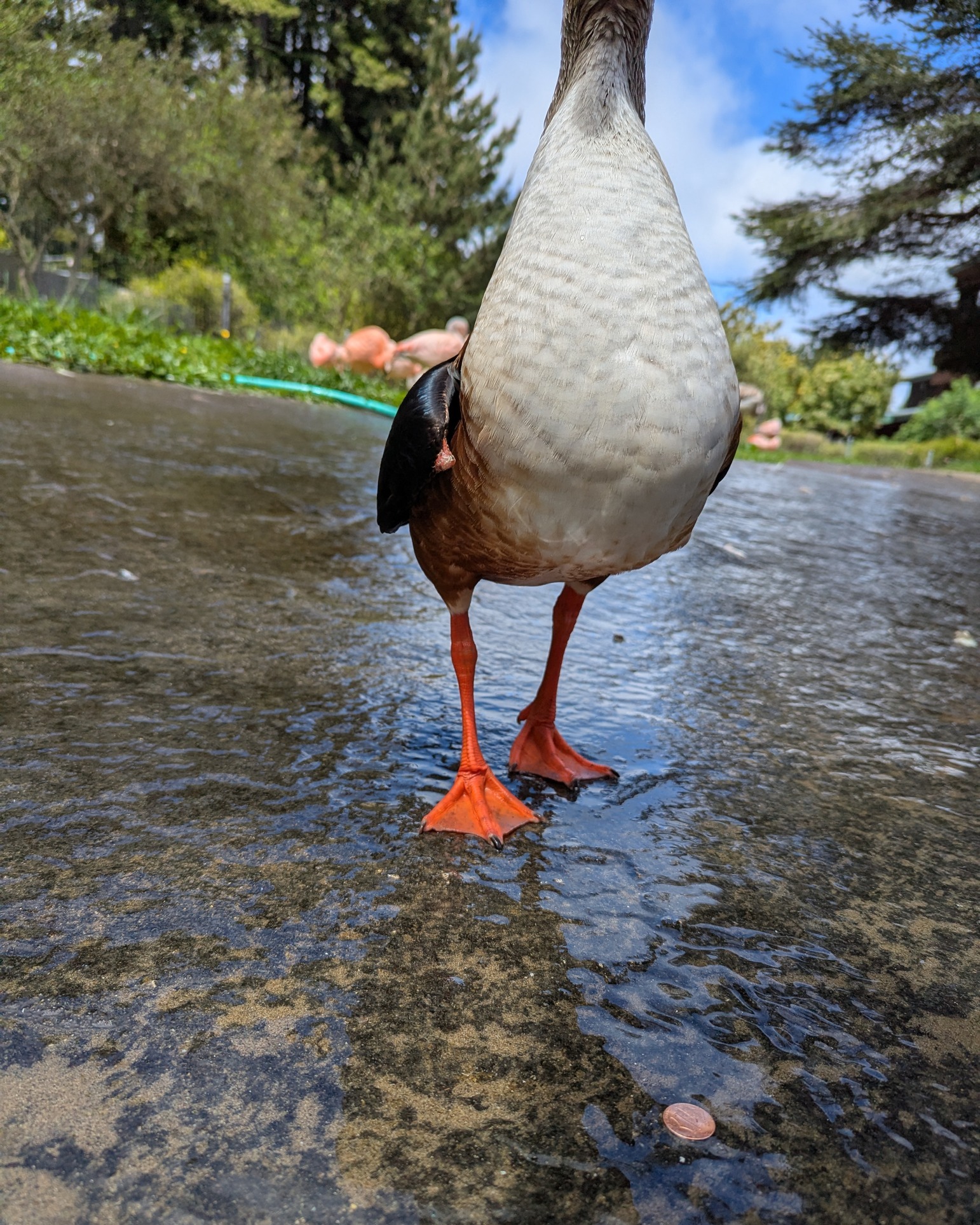
- The importance of being mindful when casting wishes at zoos and natural spaces
- Risks associated with coins and shiny objects near water bodies hosting animals
- Strategies for preventing accidental ingestion of litter by wildlife
- The ecological impact of litter and its relation to animal conservation
- Awareness initiatives and education efforts from zoos and conservation organizations
When visiting a zoo or a natural area, many people enjoy the tradition of casting a wish by tossing coins into water bodies. This act, while seemingly harmless, can have unintended consequences for animals in proximity to these water features. Visitors should be informed about the risks associated with tossing coins or shiny objects into water, especially if these items might be mistaken for food. Awareness of this issue is essential for ensuring the safety and well-being of wildlife both in captivity and in their natural habitats.
Coins can sometimes resemble food, particularly to animals that rely heavily on sight to identify their meals. Small mammals, birds, and even aquatic life may mistake a shiny coin for something edible. Unfortunately, ingesting foreign objects can lead to serious health issues for these animals. Their digestive systems are not equipped to handle these foreign materials, leading to blockages, internal injuries, and in some cases, death.
Thankfully, many zoos have implemented measures to educate visitors about the importance of proper waste management and the dangers it poses to animal life. While no incidents of accidental ingestion have been reported in certain facilities, the risks are well-known among zoological institutions and conservation groups. It is critical for individuals, especially families with children, to recognize the impact of their actions on animal welfare while enjoying their time in these environments.
To minimize risks when visiting a zoo, it is wise to develop strategies that prevent litter from entering animal habitats. One straightforward approach is to check pockets and bags before entering an exhibit area or water feature. Encouraging children to leave coins and other shiny objects at home can also help mitigate the risks associated with accidental ingestion. Zookeepers and education staff can further support families by providing information on the importance of maintaining a clean environment for wildlife.
The ecological consequences of litter extend far beyond individual incidents. Coins, plastics, and other debris contribute to pollution that affects entire ecosystems. In many cases, this pollution disrupts food chains, deprives animals of natural habitats, and affects the balance within their environments. Awareness of how litter impacts ecosystems can empower communities and visitors to take responsibility for protecting wildlife. Responsible behavior, such as carrying out trash and promoting clean-up initiatives, can significantly contribute to the preservation of natural and zoo environments.
Zoos and conservation organizations have developed various educational programs centered on responsible behavior when interacting with wildlife. Many institutions have created interactive displays, workshops, and signs that address waste management and its effects on animals. By engaging visitors in fun ways, these organizations aim to instill a sense of stewardship towards wildlife. These efforts can lead to increased community involvement and more significant awareness of animal welfare issues.
Educational initiatives can also extend to schools and community groups. Programs designed to teach children about wildlife conservation can effectively communicate the importance of caring for the environment. Workshops on how pollution affects animals can help young learners understand the consequences of their actions. Collaborations with local community organizations can further amplify these messages and foster a culture of environmental responsibility.
In summary, when visiting zoos or natural spaces, it is essential to be mindful of our actions and their impact on wildlife. Casting wishes into water bodies might be a cherished tradition, but it is important to ensure that this act does not endanger the animals we admire. By identifying the risks associated with coins and shiny objects, implementing preventive strategies, and engaging in community education, we can foster a safer and healthier environment for wildlife.
Ultimately, our role as stewards of the earth encompasses promoting the well-being of our natural world. Every small effort, from removing debris to educating ourselves and others, contributes to a more sustainable future for wildlife in both zoos and natural settings.
*****
Source Description
🌟We love wishes but a reminder to be mindful where you cast your wish at zoos and in nature 💰
When visiting any zoo or a natural space – if the water is in contact with animals please hold onto your coins or other shiny objects that might look like a tasty-treat.
Little hands can be quick – we know! It can be helpful to make sure pockets are empty before entering the zoo or going for a swim at your local watering hole.
Coins can be ingested by animals if they mistake it for food and may cause serious harm or death.
Thankfully, this has never occurred here but this story is well-known among zoos and a good reminder when visiting the local water-ways during Humboldt’s river season as well! 🌊
