
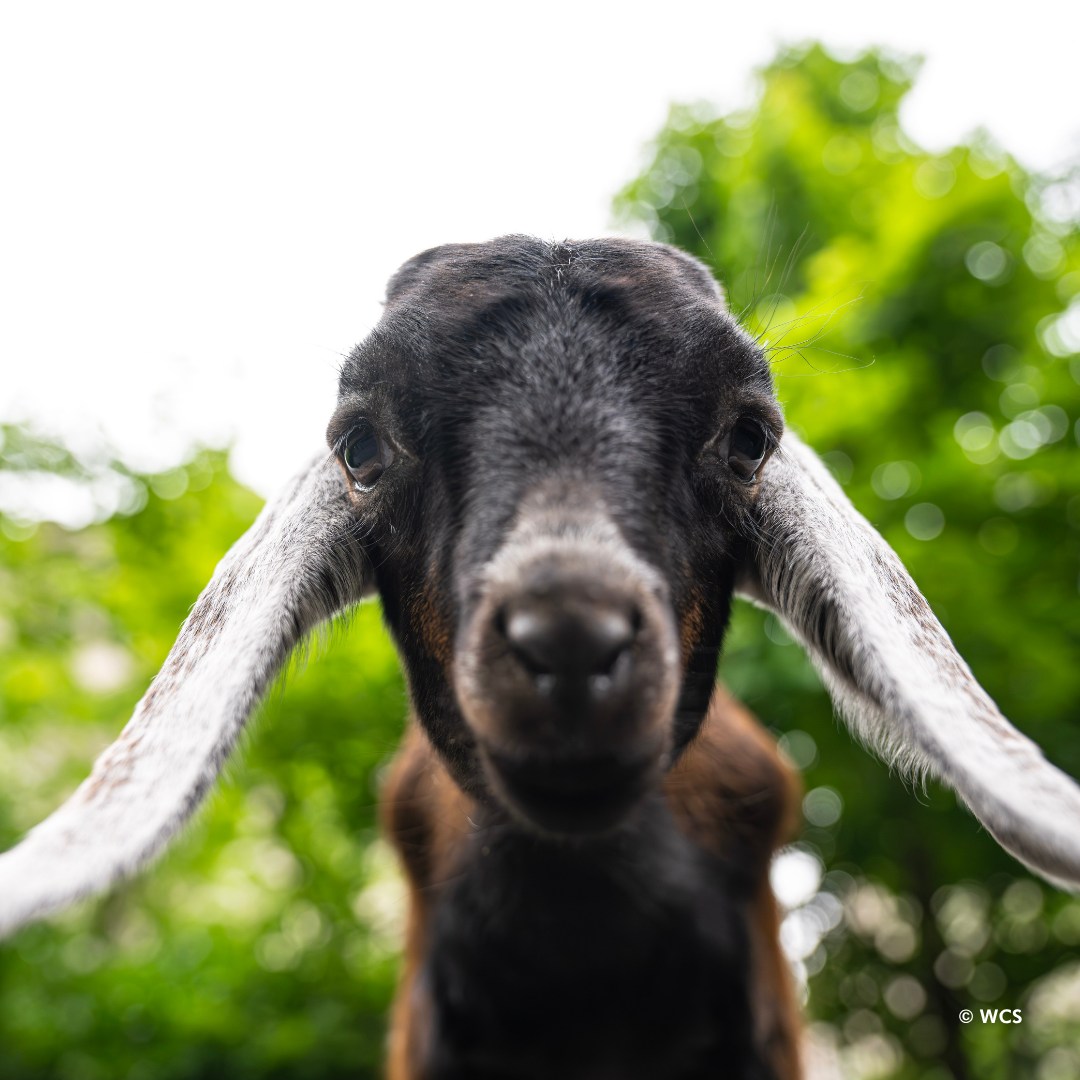
- Mini-Nubian goats: An overview of their physical traits, particularly their long ears.
- The physiological role of Mini-Nubian ears in temperature regulation.
- The dietary and habitat needs of Mini-Nubian goats for optimal health.
- The breeding and care practices for Mini-Nubian goats.
- Conservation efforts and awareness regarding Mini-Nubian goats in zoological settings.
The Mini-Nubian goat is an engaging breed that captivates many with their petite size and striking long ears. These features are not merely aesthetic; they play vital roles in the goat’s survival and overall health. Mini-Nubians are a crossbreed of Nigerian Dwarfs and Nubian goats, resulting in a breed that offers both charm and practicality. Their compact stature makes them an ideal choice for small farms and urban environments, allowing them to thrive even in limited spaces.
The standout feature of Mini-Nubians are their long, floppy ears. These ears serve multiple purposes, primarily aiding in thermoregulation. Each ear is filled with numerous blood vessels. When blood circulates through these vessels, it cools down as it passes through the ears before returning to the main body. This cooling mechanism is particularly beneficial in hot climates. As temperatures rise, the Mini-Nubian can maintain a stable body temperature, reducing the risk of heat stress—a common issue for livestock in warmer regions.
To further emphasize their needs, Mini-Nubian goats thrive in environments enriched with a balanced diet. An ideal diet for these goats consists of hay, grains, and access to fresh pasture. They require a mix of nutrients to support growth and milk production if they are dairy goats. Mineral supplements are also crucial. The rich quality of their diet can affect their coat’s health, milk production, and overall vitality.
Their behavioral traits are equally fascinating. Mini-Nubian goats are known for their gentle temperament, making them ideal companions for families. They are social animals and thrive in herds. Isolation can lead to stress and behavioral problems. Regular interaction with humans and other goats promotes positive behaviors and prevents loneliness.
Breeding Mini-Nubian goats presents unique challenges and rewards. Selection of breeding stock should include an assessment of health and temperament. It is advisable to consider genetic diversity to reduce the risk of inherited health issues. Responsible breeding practices contribute to the long-term health of the herd. Furthermore, the gestation period for Mini-Nubians typically lasts around five months. Care during this time is crucial to ensure both the mother and kids are healthy.
Additionally, proper care extends beyond just breeding. Mini-Nubian goats require regular veterinary check-ups, vaccinations, and monitoring for diseases. Adequate housing is also essential to protect them from extreme weather and predators. They need enough space to roam, play, and exhibit their natural behaviors. Enrichment activities such as climbing structures or interactive toys can significantly improve their quality of life.
At zoological institutions like Tisch Children’s Zoo, Mini-Nubians serve an educational role. These goats provide visitors with insights into sustainable agriculture and the importance of biodiversity. Educational programs often focus on the needs of livestock and the benefits of responsible animal husbandry. Visitors learn how animal welfare practices contribute to better health outcomes for animals.
Conservation efforts surrounding Mini-Nubian goats also extend into preserving their genetic identity. As more non-traditional livestock breeds face threats from industrial farming practices, awareness is critical. Promoting diverse breeds helps maintain resilient agricultural systems. Organizations and zoos work together to preserve genetic lines and educate the public on the importance of biodiversity in farming.
While Mini-Nubians inherit some traits from their parent breeds, their unique characteristics set them apart. They embody a combination of charm, utility, and adaptability. The physical traits, such as long ears, are critical not only for appearance but also for their well-being in various climates. Understanding these nuanced aspects of Mini-Nubian goats enhances our appreciation of them and sheds light on the complexities of animal care in agricultural and zoo settings.
The appeal of Mini-Nubians extends beyond their visual attributes; their interactions with humans also play a crucial role in educational programs. These goats are often used in therapeutic settings. Their gentle demeanor and friendly nature allow them to participate in activities that foster emotional healing and well-being in individuals of all ages. This multifaceted role deepens the connection between humans and animals, reminding us of our responsibility toward their care.
Educational outreach programs often include hands-on experiences with Mini-Nubians. Children and adults alike can learn about feeding, grooming, and the social structures of goats. Such programs may also touch on broader topics like sustainable farming practices and the roles goats play in various ecosystems. Increased engagement with animals inspires a greater appreciation for biodiversity and the various roles animals play in agricultural systems.
In summary, Mini-Nubian goats represent an impressive blend of physical adaptation and social behavior, useful for educational settings and farming. Their long ears are a remarkable feature, aiding in thermoregulation and making them well-suited for various climates. Understanding their needs—dietary, spatial, and social—allows for responsible care and successful breeding practices. As more people become aware of Mini-Nubian goats’ importance, we can advocate for their conservation and ensure that future generations can appreciate these delightful animals.
As we become more attuned to the nuances of species like Mini-Nubian goats, we affirm the importance of environmental stewardship in our societies. Each Mini-Nubian goat we nurture contributes to a larger narrative about sustainability, coexistence, and the significance of diverse agricultural practices. Whether visiting a zoo or caring for them on a farm, our relationship with these goats is an essential part of fostering a deeper understanding of animal welfare and conservation.
*****
Source Description
Mini-Nubian goats are little goats with incredibly long ears! These long, floppy ears help them regulate their body temperature in hot climates. Their ears are filled with blood vessels, and when blood circulates through them, it cools down before returning to the body. Check them out in the Tisch Children’s Zoo.
📸: WCS photographer, Terria Clay
