
- The significance of wildlife conservation and education
- The role of holiday programs in fostering appreciation for nature
- Engaging activities at the Holiday in the Woods program
- The impact of wildlife parks on community and conservation efforts
- Importance of visitor engagement in zoos and wildlife parks
Wildlife conservation is critical for sustaining biodiversity and maintaining healthy ecosystems. Parks like the Safari Park aim to protect endangered species and habitats while educating visitors about ecological balance. These spaces serve not only as homes for wildlife but also as centers for learning. By fostering an appreciation for nature and the animals within it, wildlife parks play an essential role in environmental education.
The Holiday in the Woods program is an excellent example of how seasonal activities can engage families and individuals. This event is not just a festive gathering but a chance to connect deeply with nature while having fun. During the winter months, when many people retreat indoors, the Safari Park invites guests to immerse themselves in the beauty of the outdoors. Being outside can enhance one’s mood and promote mental well-being. Engaging in activities like nature walks and crafts invites participants to explore wildlife in a dynamic environment.
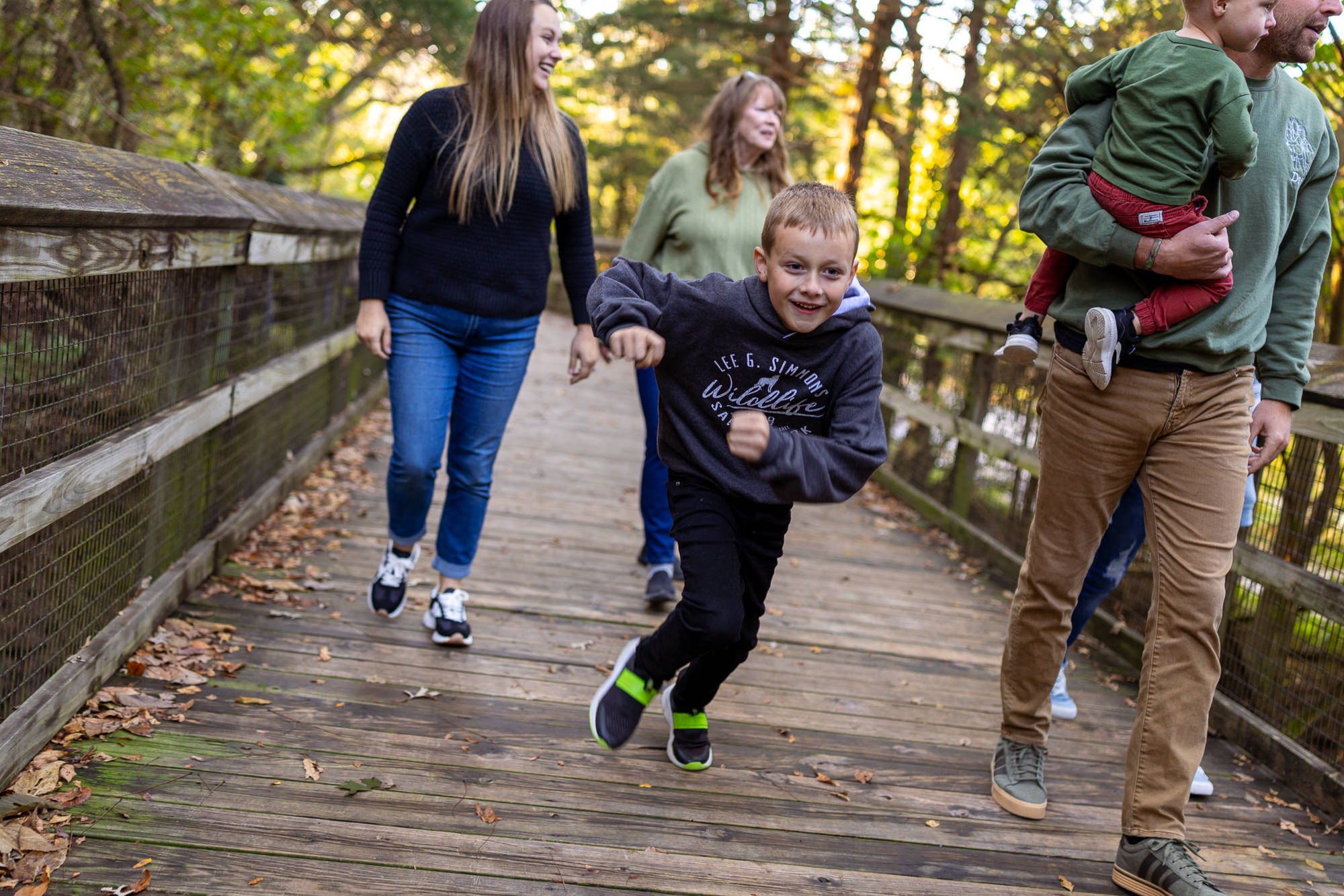
Participants can expect an array of engaging activities aimed at celebrating the holiday spirit. The program features outdoor trails perfect for crisp winter walks that allow visitors to observe wildlife in a natural setting. As visitors stroll through the pathways, they can witness animals adapting to winter conditions, which reinforces the importance of understanding how different species respond to changing climates. Additionally, creative workshops provide attendees opportunities to make holiday-themed crafts. These activities foster creativity and provide knowledge about the materials and themes used, including native plants and animal adaptations during the colder months.
Cookie decorating sessions allow children and adults to come together in a fun, festive setting. Beyond simply baking cookies, participants can learn about how different animal species might adapt their diets during winter. These discussions prompt conversations about the relationships between local wildlife and their habitats, driving home an important educational point: the connection we share with all living things. Activities centered around food and nature create a memorable experience, linking holiday traditions with conservation education.
The impact that wildlife parks like the Safari Park have on their communities cannot be overlooked. They not only offer recreational opportunities but also educate the public about crucial conservation issues. By hosting community events and educational programs, wildlife parks serve as valuable resources for promoting stewardship of the environment. Partnerships with local schools and community organizations can facilitate programs that bring students to the park, allowing them to learn directly from wildlife experts. Programs that instill a sense of responsibility toward the environment are vital in shaping the next generation’s perspective on conservation.
Visitor engagement is crucial for the sustainability and growth of wildlife parks. The more connected individuals feel to the animals and their environments, the more likely they are to support conservation efforts. The allure of seeing animals up close encourages individuals to advocate for their protection. Creating opportunities for interactions between guests and wildlife, whether through guided tours or animal encounters, fosters empathy and understanding. When people witness firsthand the challenges that animals face in the wild, it can inspire activism and support for conservation initiatives.
Wildlife parks often collaborate with conservation organizations to contribute to broader conservation efforts. Programs aimed at protecting endangered species involve significant research and cooperative efforts with other conservation bodies. By participating in breeding programs, rehabilitation, and reintroduction strategies, parks can play a significant role in preventing species extinction. These partnerships help create a network of support that can effectively address complex ecological challenges.
Reporting successful outcomes is critical for demonstrating the impact of wildlife parks on conservation. For example, some parks have seen significant increases in specific endangered populations through successful breeding programs. Tracking such successes not only informs policy decisions but also promotes transparency, which can enhance public support for ongoing efforts. Impacts on species recovery are tangible results that showcase the vital role these parks play in biodiversity preservation.
Beyond local impact, wildlife parks can contribute to global conservation efforts. By participating in international programs, they can help protect endangered species that inhabit different parts of the world. Collaborating with organizations that focus on global challenges, parks can lead to joint initiatives aimed at habitat preservation and species recovery across borders. Engagement in these broader issues reflects a commitment to conservation that can resonate with visitors and stakeholders alike.
Holiday programs, like the Holiday in the Woods, serve as a bridge connecting families and communities to wildlife conservation themes. These seasonal events can spark lifelong interests in nature and stewardship. By creating immersive and educational experiences, parks cultivate awareness about the fragility of ecosystems and the need for conservation. This growth in awareness can translate to increased advocacy for wildlife protection and habitat preservation.
While digital media and virtual experiences have gained popularity, the importance of in-person engagement cannot be underestimated. Experiencing nature firsthand can deepen one’s understanding and appreciation of wildlife. In-person interactions, such as observing animals in their habitats or learning about their behaviors, motivate individuals to take action for conservation. This direct connection emphasizes the significance of wildlife parks as essential educational tools.
Engaging volunteers in wildlife parks is another avenue to enhance community involvement. Volunteer programs can offer hands-on experiences in caring for animals, maintaining habitats, or supporting educational initiatives. These programs build a dedicated community of advocates who are well-informed about conservation issues. Volunteers also gain valuable skills and insights that they can share, further enhancing public understanding of wildlife conservation.
The role of education in wildlife parks extends beyond children. Adults also benefit from enrichment programs that delve into specific topics, such as field biology or conservation strategies. Hosting seminars, workshops, and lectures from experts can build a well-informed audience that understands complex ecological issues. These educational opportunities allow for discussions surrounding current events in wildlife conservation, including climate change, habitat destruction, and species migration.
Engaging the local community can also mean providing access to those who might otherwise never visit a wildlife park. Scholarships, free admission days, and partnerships with community organizations can allow underrepresented groups to experience the educational offerings available. By prioritizing inclusivity, wildlife parks can promote a broader understanding of conservation issues, encouraging a diverse range of advocates for environmental stewardship.
As the Holiday in the Woods program unfolds, its relevance extends beyond simple festivities. This initiative represents a vital commitment to conservation and education. It emphasizes the importance of wildlife parks and their role in building a connected society, where individuals appreciate and protect the natural world. Through activities that blend joy with education, the Safari Park can inspire a new generation passionate about environmental safeguarding.
With all these enriching experiences available, don’t miss out on the opportunity to be part of the Holiday in the Woods. Grab your tickets today through the link in our bio and join us in celebrating the wonders of winter and wildlife. Your participation not only enriches your life but also supports vital conservation initiatives that impact our planet.
*****
Source Description
Missing the Wildlife Safari Park already? We miss you!
Join us for our Holiday in the Woods program and experience holiday magic at the Safari Park. Pack your mittens and scarves and take to the trails at the Safari Park! Plus, create holiday-themed crafts, decorate cookies, and so much more!
Grab your tickets today at the link in our bio!
